Grace Chng · · 6 min read
Opinion: US on verge of podcasting boom, but little is happening in Asia
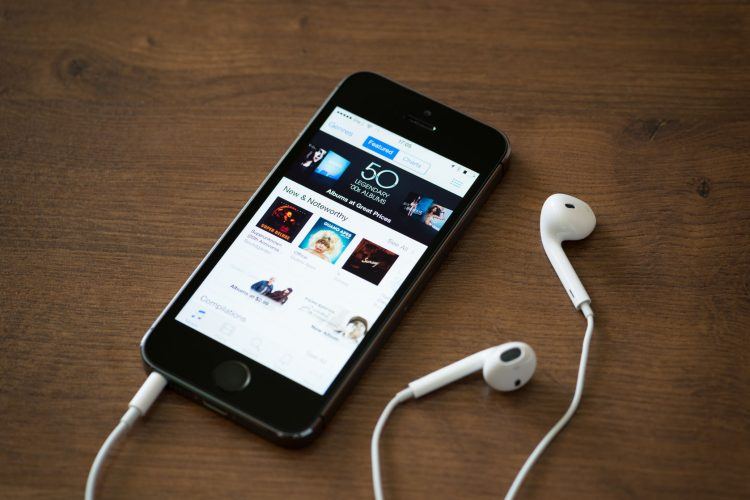
Image credit: 123RF
Podcasting is back in the spotlight, having ebbed and flowed since 2000 when it began as a hobbyist activity.
Recent indicators, according to a June 2017 report by the Interactive Advertising Bureau (IAB), have signaled a resurgence:
- US podcast industry advertising revenue is expected to hit US$220 million in 2017, up 85 per cent from US$119 million in 2016.
- Leading companies in the US and public figures are creating podcasts.
- 65 percent of listeners are willing to buy products and services advertised on podcasts. Direct response advertisements are the most effective, especially if they are read by the podcast hosts.
- Podcast fans are among the more affluent and highly-educated consumers. There’s an estimated 35 million weekly podcast audience in the US. They’re more likely male than female, and between 12 and 54 years old. They are estimated to listen to one to three hours of podcasts a week.
Podcast hosts include best-selling authors Malcolm Gladwell of Revisionist History, and Walter Isaacson of Trailblazers.
Revisionist History revisits events that are “overlooked and misunderstood”, while Trailblazers focuses on digital disruption in the music, hospitality, and other industries.
Organizations are jumping in too. Exchange at Goldman Sachs offers insights on developments shaping markets, industries, and global economies; Walmart’s Outside The Box talks about retail and ecommerce; Chanel Fashion discusses — what else — the next season’s trends.
The UK Parliament explains its workings in a podcast called Parliament Explained. Lenovo has its ThinkFWD podcasts, which feature technology information for business.
Media establishments, of course, are also in the game, with online media leading the way. Slate, one of the earliest online media sites, hosts podcasts discussing issues like politics, sports, parenting, and law.
The New York Times’ podcast content ranges from an early morning news briefing called The Daily to book reviews, music, and political updates. In Britain, the Financial Times offers weekly podcasts on such subjects as banking, startups, and management.
Across the Channel, the leading news magazine Der Spiegel has Stimmenfang, which discusses politics. US cable network CNN podcasts on politics and world affairs via its star anchors Christiane Amanpour, Fareed Zakaria, Anderson Cooper, and others.
Organizations gain little or no advertising revenue from podcasts. However, they promote the organizations’ brands. Media organizations use it to support their reporting, newscasts, and online portals, and also to grow their audience. Many hope that as podcasts gain greater traction, they will also attract more advertising revenue.
Whither Asian podcasts?
In Asia, podcasting is in its infancy although organizations have dabbled in it for several years. As podcasts ebbed and the traditional media business declined, publications have put the brakes on this medium. Meanwhile, few organizations have their own programs.
Asian podcasts seek to increase awareness of the region’s languages, food, society, culture, and entertainment. In India, for example, there are English, Hindi, and Urdu podcasts on these topics and more.
Apple to the rescue
Obstacles for advertising revenue
More podcasts you should check out





Stay updated on the go with our mobile app.
Get latest insights with smoother, more personalized experience through TIA mobile app.