C. Custer · · 3 min read
China’s best iPhone cloner bites the dust, and its death may mark the end of the Xiaomi model
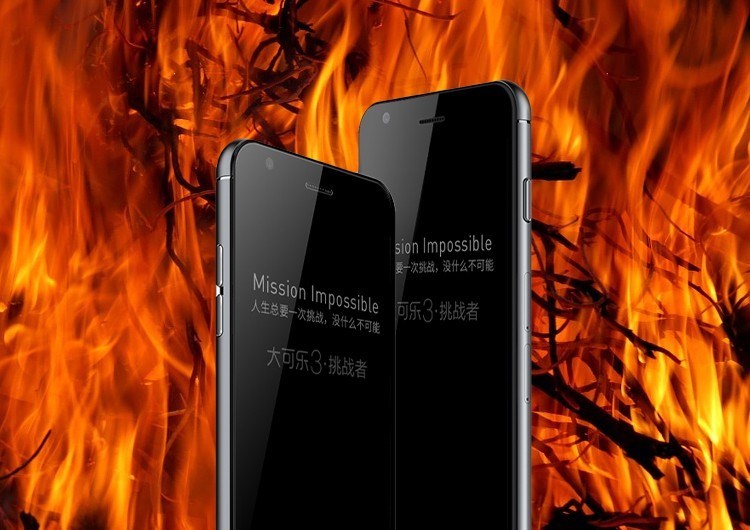
The Dakele 3’s tagline seems poorly-chosen now.
UPDATE: To be clear, when I refer to the Xiaomi model in both the headline and the rest of the article, I’m talking about Xiaomi’s early smartphone sales model, not the company’s current (and much more diversified) approach. Of course, this diversified approach was always the long-term plan, but in the early days Xiaomi was moving units primarily by pushing the low-cost/high-quality selling point, which is the approach many of the company’s copycats (including Dakele) have also subsequently taken. In the early days Xiaomi and Xiaomi executives also seemed to take pains to connect their company with Apple, although the Xiaomi handset itself was not an iPhone clone.
Chinese smartphone maker Dakele has collapsed. CEO Ding Xiuhong broke that news himself on his Weibo account Monday evening after months of speculation that the company was headed towards the drain.
You probably don’t recognize the name Dakele, but its death may mark the end of an era. The company was founded on the same basic principle as Xiaomi: if you can make a good-quality smartphone and offer it at a surprisingly low price, people will buy it. They’ll be even more excited by it if you can link it to Apple in some way.
For Dakele, the Apple link was in the design itself. Its phones were accused of being iPhone clones, and it’s not difficult to see why. But at least they were good clones: the company is widely credited with having made the best iPhone 6 clone money could buy.
Smartphone makers in India might be wise to heed this tale.
So what killed Dakele? Frankly, having a good-quality, low-cost smartphone simply isn’t enough to win you customers in the Chinese smartphone market these days. While it worked in the early days of Xiaomi, when real iPhones were a luxury item and smartphone penetration was low, these days everybody in major cities has a smartphone, and the middle class has grown enough that Apple’s uber-expensive iPhone is consistently among China’s top sellers.
In this climate, investors are not longer interested in backing phone brands that only offer value-for-money. With virtually all of China’s internet giants getting in on the smartphone game, there are too many other companies out there that can offer the same kind of value for money in addition to other things, like an established customer base or unique software integrations. Dakele ultimately folded, according to Ding, because its sources of capital were cut off as investors became more interested in rivals. (It also probably didn’t help that the company Dakele outsourced its manufacturing to shut down last year.)
The lesson of Dakele’s death
The most important lesson of Dakele’s death may be that in big, fast-growing markets like China the bang-for-buck approach to selling smartphones isn’t sustainable in the long term. In the early years of China’s smartphone market, knockoff brands and clone-makers like Dakele were making a killing, but the demise of Dakele suggest that now those days are well and truly gone. If you want to sell smartphones in China, having good specs and an affordable price isn’t enough to attract customers or investors anymore.
Smartphone makers in India might be wise to heed this tale. Although India’s smartphone market is lightyears behind China’s (smartphone penetration in China is about double that of India right now), it resembles China’s early mobily market in many ways. With budget-conscious buyers at the fore, now may be a good time for companies to follow the Xiaomi bang-for-buck approach in India. But they should also remain conscious that relying on affordability alone isn’t likely to work forever, and that anybody in this market for the long term needs to be thinking beyond the good-specs-at-low-cost-will-sell-itself sales model.





Stay updated on the go with our mobile app.
Get latest insights with smoother, more personalized experience through TIA mobile app.