- Premium Content It takes our newsroom weeks - if not months - to investigate and produce stories for our premium content. You can’t find them anywhere else.
 Roehl Niño Bautista · · 6 min read
Dutch startup plans to keep Southeast Asia afloat – literally
The Netherlands has a problem: Almost a third of its land is under sea level, and the country continues to sink by around one-third of an inch per year.
That’s why the Dutch nation turned to floating houses and infrastructure as a solution.
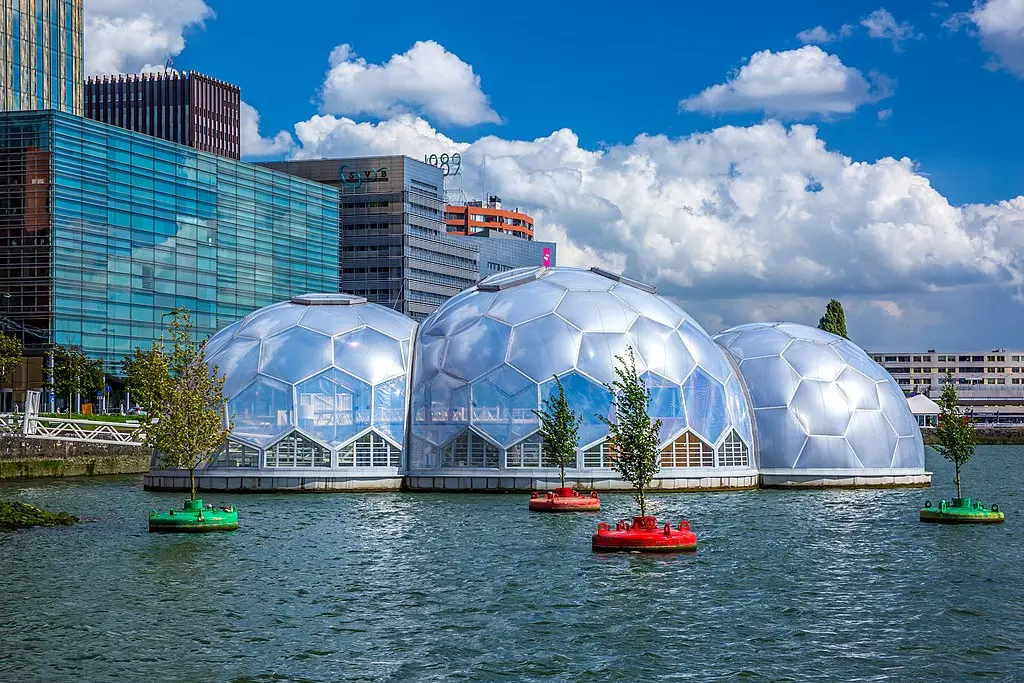
A floating pavilion in Rotterdam / Photo credit: FlexBase
But the issue doesn’t stop in the Netherlands – climate change is causing sea levels to rise all over the world. Southeast Asia is among the most vulnerable to these changes and is already witnessing more floods every year. By 2030, the estimated cost of damages due to rising sea levels in urban areas such as Bangkok, Jakarta, Manila, Taipei, Seoul, Tokyo, and Hong Kong is pegged at US$724 billion.
This has caught the attention of FlexBase, a Dutch-based climate change-focused firm that has entered Southeast Asia with its expertise in constructing floating buildings.
The company tells Tech in Asia that it will start its expansion by investing US$1 million to set up its international office in Singapore and plans to hire for five key functions: operations, business development, sales and marketing, and engineering. For now, it says it will focus on the Thailand and Vietnam markets.
“One of the things that makes Southeast Asia so interesting is the fact that the population growth is enormous. So that requires a lot of land, not only to live on but also to grow food,” says Shiwen Yap, co-founder of FlexBase International.
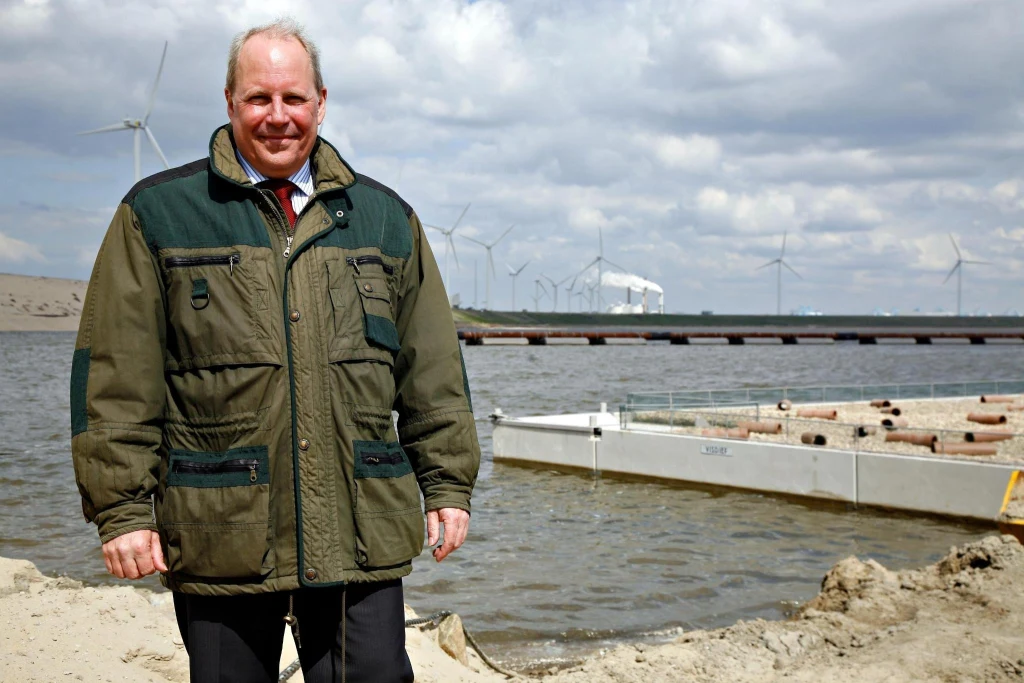
FlexBase founder Jan Willem Roel / Photo credit: FlexBase
Founded in 2013 by engineer Jan Willem Roel, FlexBase builds floating structures based on a hybrid polystyrene-concrete model called the FlexBase Concept System. The hybrid material allows the firm to develop large relatively affordable floating structures at scale and minimizes the use of concrete and steel, which FlexBase claims reduces the carbon footprint of such structures. It is also significantly less expensive and lighter than marine-grade steels.
In Southeast Asia, the firm wants to enhance urban resilience along coastal cities by promoting floating structures as a practical approach.
“The long-term solution would be rather than you try to reclaim the land, fill it in, and then often sink – why not just build on top of the water?” says Yap.
Living on water
The concept of floating houses is not new: Coastal communities in Cambodia and the Philippines, for example, feature boats fitted with dwelling spaces or houses built on stilts. “Floatels,” or floating hotels, are present across Southeast Asia as well.
There is also a Dutch firm, Finch Floating Homes, which uses recycled plastic barrels as the foundation of its structures. It has already built a pilot home in the Philippines.
Regulations that float across the SEA
Stay ahead in Asia’s tech landscape
This is premium content. Subscribe to read the full story.
FlexBase, which specializes in creating floating buildings and homes, will invest US$1 million to set up its base in Singapore.
We know this is not ideal. ⌛ Sign up in 20 seconds. Cancel anytime.
Our subscriber community includes professionals from these companies:





Stay updated on the go with our mobile app.
Get latest insights with smoother, more personalized experience through TIA mobile app.








📅 Upcoming Events
22 October 2026
Payoneer x CSPN Summit 2026