Osman Husain · · 6 min read
He started up at 49 and soon made millions. Now he’s investing it all into startups.
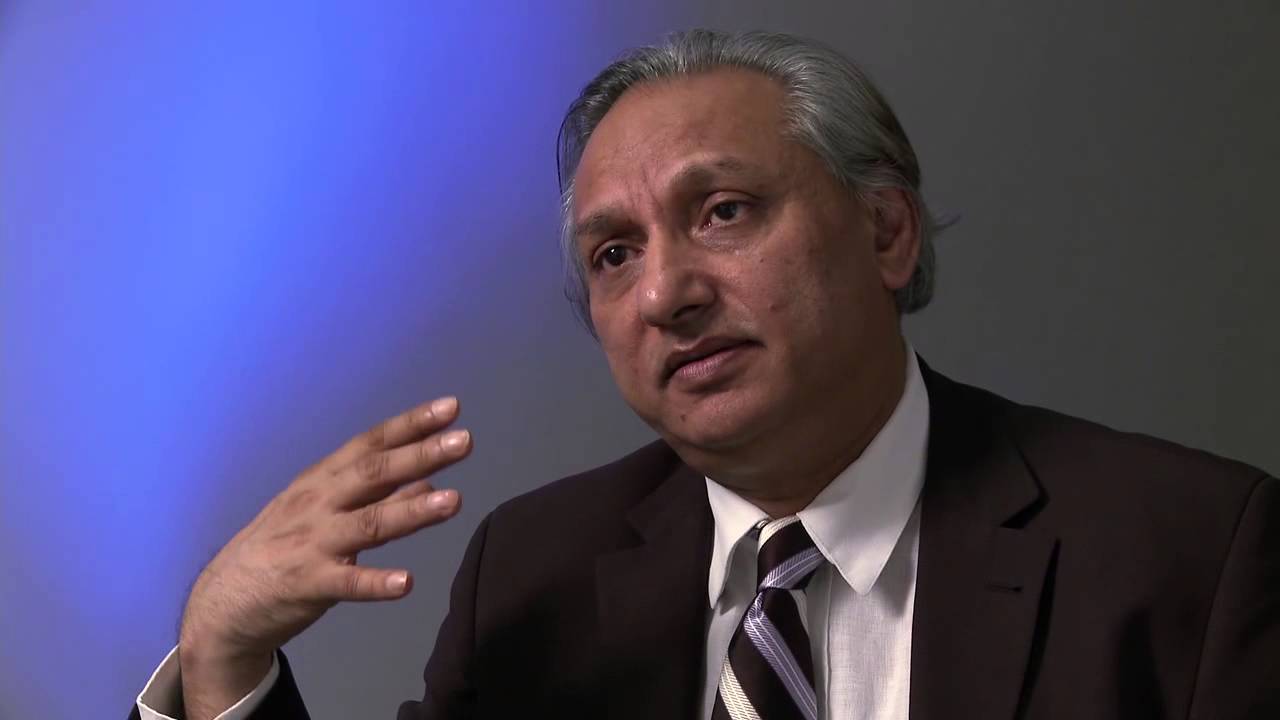
Nadeem Hussain started Tameer Bank, his first startup, in 2005 after working at Citibank for almost three decades.
Nadeem Hussain knows a thing or two about building world-class companies.
He’s arguably one of Pakistan’s most successful entrepreneurs, starting microfinance institution Tameer Bank in the mid-2000s, acquired by Norwegian telecommunications conglomerate Telenor in March.
Tameer itself is regularly cited as a model case for financial inclusion in Pakistan. Since inception, it’s grown to approximately US$220 million in deposits, with a total base of 4.9 million customers. It also helped revolutionize mobile banking with Easypaisa, which allows for things like instant fund transfers and paying online merchants.
At last count, there were over 70,000 merchants across Pakistan subscribed to the Easypaisa network.
Unfamiliar beginnings
Nadeem’s dive into entrepreneurship isn’t your typical story of a young founder making it into the big leagues.
He spent almost three decades working for Citibank, stationed in eight different countries over the course of his career. His last assignment was in Dubai, where he enjoyed a hefty tax-free salary and numerous other perks.
“Normally in people’s lives there comes a time when they ask themselves what they’ve done for their country of birth,” Nadeem says. “I had a desire to come back and give back.”
He roped in four of his former Citibank colleagues.
I’m talking with the entrepreneur in his palatial home in the southern port city of Karachi. It’s a building reminiscent of the British colonial era – tall ceilings, Victorian architecture, with household staff in crisp white uniforms scurrying around.
Nadeem, a tall and well-built man, talks with energy and fervor that belies his advancing age.
Multiple puffs of his cigarette later, he tells me that the decision to come back to Pakistan was predicated on creating an institution which would have a lasting impact, be recognized globally, and create an ecosystem.
“The need for microfinance and other constraints brought me to this sector,” he explains. “The core problems I wanted to solve was the lack of available credit for small businesses and the severely under-banked population.”

Calculated risks
Bigger challenges





Stay updated on the go with our mobile app.
Get latest insights with smoother, more personalized experience through TIA mobile app.