Aditya Hadi Pratama · · 2 min read
Amartha secures $50m debt facility to invest in Indonesian women
Jakarta-based peer-to-peer lender Amartha announced it has secured US$50 million in a debt facility from Lendable Inc. The company plans to channel the capital to female micro entrepreneurs in rural areas of Indonesia.
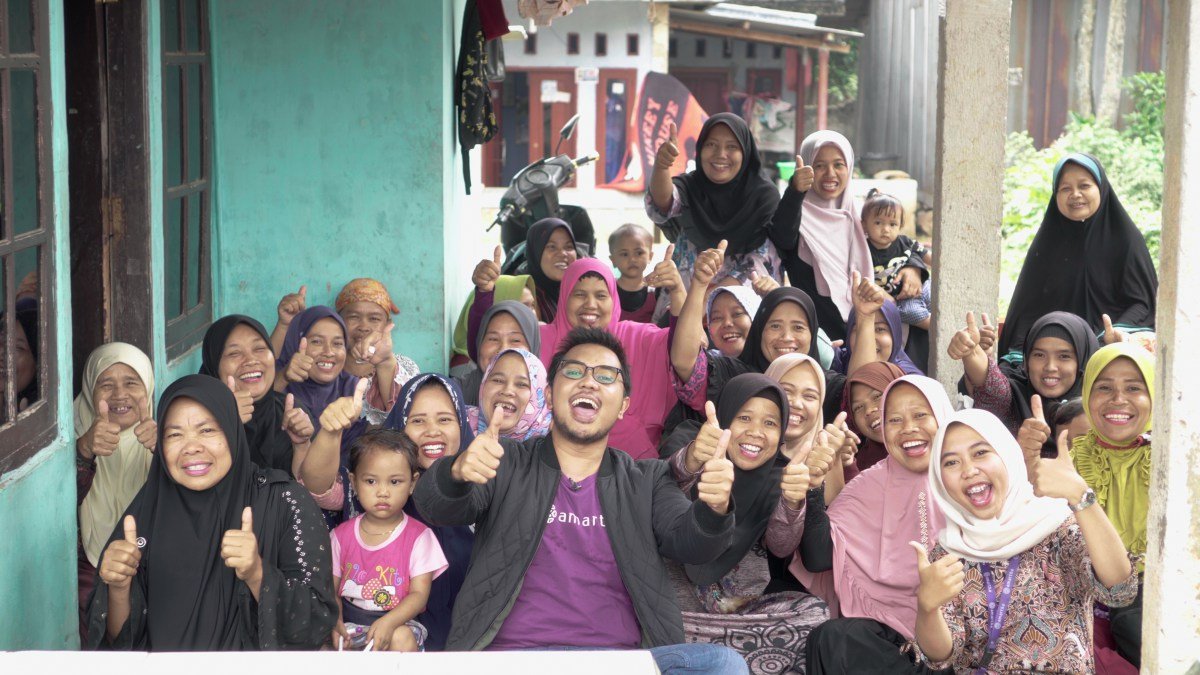
Amartha founder Andi Taufan with some of the company’s borrowers / Photo credit: Amartha
According to Hani Ibrahim, chief investment officer of Lendable, Amartha’s objectives very much align with Lendable’s commitment as a firm eligible for the “2X Challenge,” a program that challenges financial companies to collectively mobilize US$3 billion in funding for women in developing countries.
“The amount of this debt financing is aligned with Amartha’s size of business. We’re talking about historical performance and market potential in the future,” Amartha’s chief executive Andi Taufan told Tech in Asia.
To date, the P2P firm has distributed almost 3.2 trillion rupiah (around US$220 million) to over 600,000 female micro entrepreneurs in the country.
Taufan admitted that 2020 was a challenging year for Indonesia as a whole – some of his borrowers have had to close their business as a result of Covid-19. However, he has seen growth potential in some regions that haven’t been as affected by the pandemic.
“This (debt funding) indicates that small and medium-sized enterprises in Indonesia are considered to have strong resilience during the pandemic and can even take advantage of the pandemic’s momentum to grow even bigger,” Taufan explained.
In an effort to withstand the pandemic, Amartha has created some new products besides lending, such as PPOB (a mobile recharge and bill payment platform) and a group-buying feature. Taufan claimed that the company has already pocketed revenue from some of these initiatives.
While the target market of the company is still the same, which is female entrepreneurs in rural areas, Amartha has created new loan products as its borrowers continue to grow. For example, if its borrowers built a warung (small kiosk), the company can offer a loan that is more appropriate with the new business model of that borrower.
“[Those efforts] are important to educate our customer base, fulfill more of their financial needs, and help them to accelerate digital adoption,” Taufan says.
Editing by Miguel Cordon and Jaclyn Tiu
(And yes, we’re serious about ethics and transparency. More information here.)





Stay updated on the go with our mobile app.
Get latest insights with smoother, more personalized experience through TIA mobile app.