- Insights This article was written by a TIA community member. Insights pieces undergo the same rigorous editorial process that newsroom-produced articles have.
 Nathan Thompson · · 3 min read
Derivatives are hot even during crypto winter
This article is part of Crypto Insights, a segment by major crypto exchange Bybit that dives into the latest and most pertinent issues in the crypto space.
Written by Nathan Thompson
Crypto trading volume is down this year along with the rest of the market, but there’s one area that continues to be popular despite the downturn: derivatives.
Since 2017, Bitcoin derivatives have matured to become the preferred method of price discovery for traders. Data from The Block shows that the trading volume of futures, options, and perpetuals for Bitcoin alone now dwarfs that of spot trading for all cryptocurrencies.
Spot trading refers to the simple swapping of one token for another. Volume for this kind of trading has declined over 60% year to date (YTD).
To be sure, derivatives have seen a similar downturn.
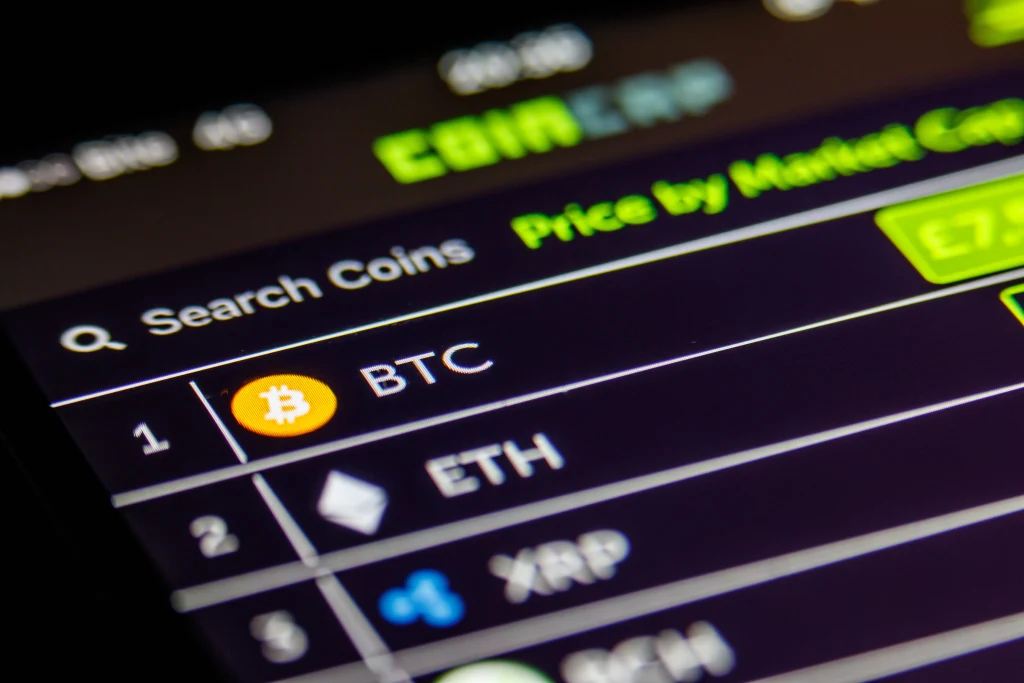
Photo credit: Rokas Tenys / Shutterstock
Futures are derivative contracts that allow investors to speculate on the future price of an asset. This year, Bitcoin futures across all exchanges have seen a decline of about 50%, according to Glassnode.
Options contracts are similar to futures insofar as they are bets on the future price of an asset, except they give the owner the right but not the obligation to settle the contract, whereas futures contracts must be settled or rolled over. Options have seen a similar decline in volume to futures.
That said, while the aggregated open interest of both futures and options contracts is down about 60% YTD in dollar terms – which is in line with the rest of the crypto markets – they are still seeing a combined volume of over US$330 billion across all exchanges. This is over a third of the current combined market cap for all crypto assets, which demonstrates the value of derivatives to investors and traders.
One way traders are using derivatives is to hedge their positions by purchasing “put options,” which gives them the right but not the obligation to sell at a certain price on a future date. This allows them to hedge potential losses during a bear market.
The cost of buying the options contract is the only risk the trader takes on, giving them a limited downside. The more the price of the underlying asset falls, the more the contract is worth, giving them a potentially unlimited upside.
Many traders prefer options contracts over shorting a cryptocurrency, especially during bearish periods. Shorting an asset gives the trader no protection against sudden volatility to the upside, as well as against “short squeezes” that happen when a sudden increase in price causes the mass liquidation of short positions, pushing prices even higher.
Another development in the crypto derivatives market is a change in the preferred settlement asset. Derivatives contracts are usually settled in Bitcoin or the US dollar-pegged stablecoin Tether (USDT). But recently, top-tier exchanges have been moving toward Circle’s USD Coin (USDC) as a settlement asset.





Stay updated on the go with our mobile app.
Get latest insights with smoother, more personalized experience through TIA mobile app.