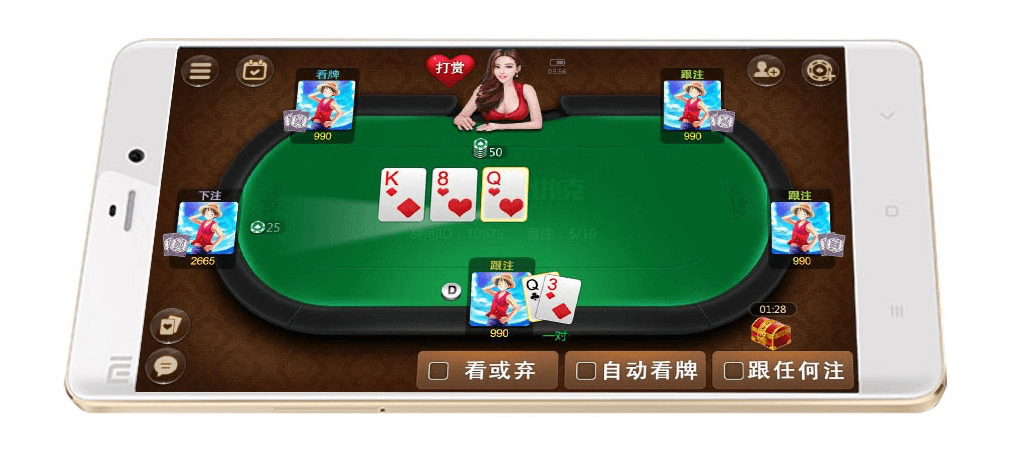
Going for broke on Xiaomi Poker.
Chinese phone and gadget maker Xiaomi now has a new avenue for making money from its low-cost smartphones – by publishing games.
The games are made by partners and then published through Xiaomi’s app store on its Android-based phones and tablets. A “Mi” logo on the icon shows that it’s a Xiaomi title. All the games are free to download and play; they come with in-app purchases.
There are nine games under the Xiaomi umbrella so far, including Xiaomi Poker, Song of Knights, and Clash of Kings – not to be confused with Supercell’s smash-hit Clash of Clans.
A Xiaomi representative confirmed to Tech in Asia that the company is now publishing games but declined to comment on the financial terms it has set with game developers.
Do you want to buy 10,000 Magical Sky Diamonds for $4.99?
Xiaomi already supports in-app purchases for apps and games on its own app store, and that has been a crucial source of revenue for the company over the years. MIUI, Xiaomi’s version of Android, has a virtual currency – called Mi Bi in Chinese, or Mi Credits in English – that some phone owners use to pay for themes, in-app and in-game purchases, and a handful of other web services. To use Mi Credits, a Xiaomi phone owner in China can connect a bank or credit card to their Xiaomi account.
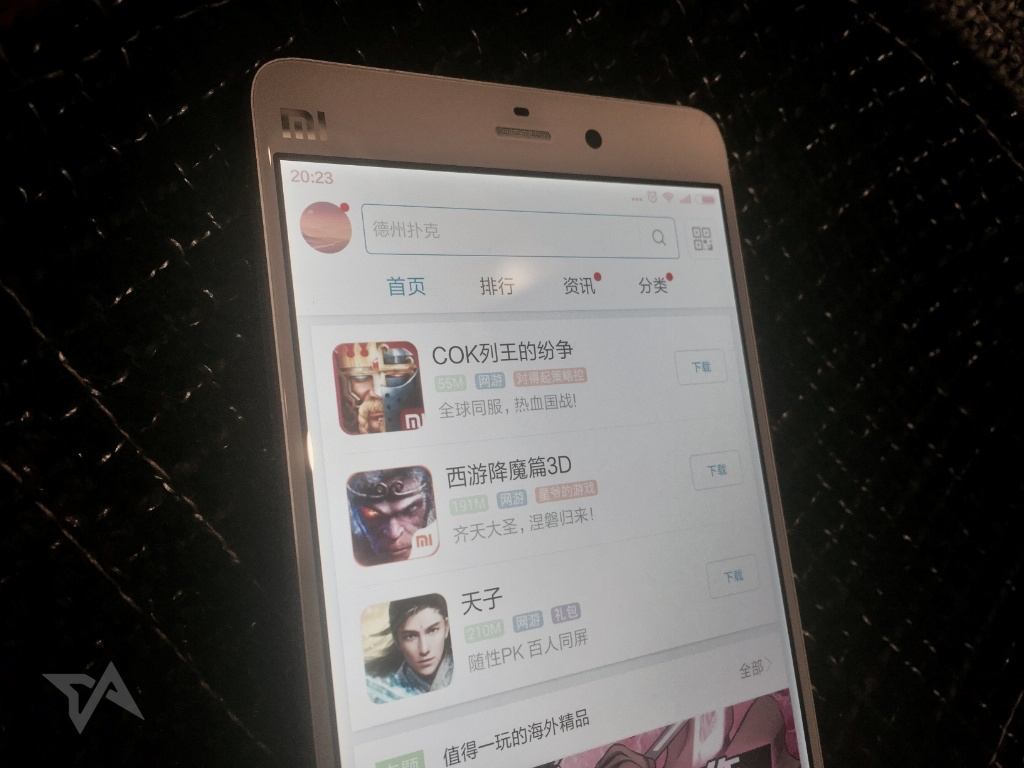
Two Xiaomi-published games appear in the Xiaomi App Store.
Third-party developers received a total payout of RMB 600 million (US$93 million) from Xiaomi in 2014 from in-app purchases made by users, the company said earlier this year. In the latest data available, Xiaomi pulls in RMB 197 million (US$30 million) per month in revenue from third-party mobile games.
The new move into publishing, which has been quietly going on for a few months, shows that Xiaomi wants more control over games – as well as a possible larger windfall from games that go viral, as experienced by Tencent with its WeChat-connected games.
Land of the free
Xiaomi’s App Store and accompanying virtual currency are one of very few ways that developers can make money from China’s gamers. That’s why most resort to advertising or cross-app promotions – even though very few gamers click.
Google Play has been blocked in China since mid-2014 (along with all Google services), but long before that China’s Android users had rejected the official Android store and instead turned to a variety of homegrown Android app stores made by a mix of Chinese web giants and startups. But most of those alternative stores don’t offer developers the chance to charge for content – and some of them are filled with pirated games.
China has an estimated 386 million active Android users and has more mobile gamers than America has people.
Editing by Terence Lee and Erik Crouch





Stay updated on the go with our mobile app.
Get latest insights with smoother, more personalized experience through TIA mobile app.














📅 Upcoming Events
22 October 2026
Payoneer x CSPN Summit 2026