David Corbin · · 5 min read
Dave McClure in Tokyo: how to build a startup, an investment strategy, and an ecosystem
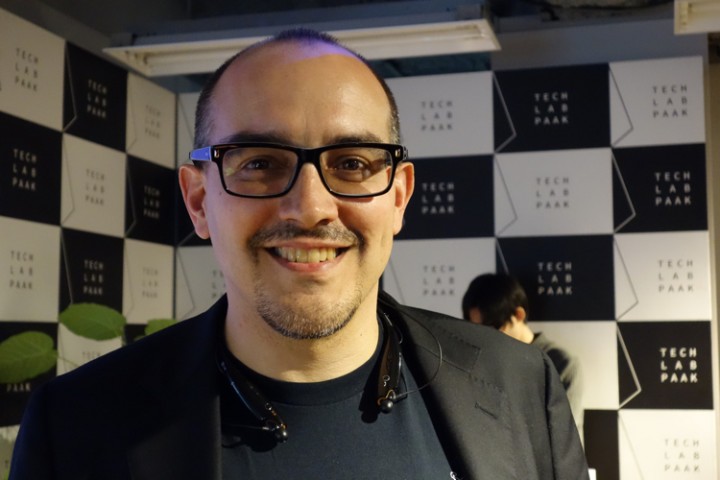
Dave McClure, the leader of 500 Startups
Last week, Peter Thiel gave startup tips to students in Tokyo and today Dave McClure did the same for a bunch of young entrepreneurs. I don’t know if the PayPal mafia arranges their travel schedules together, but if this pattern keeps up Elon Musk fans are going to be very happy in the near future.
The bulk of McClure’s talk was a primer on how startup creation has changed, how investing has evolved, and how to build a startup ecosystem. Sprinkled throughout the lecture were several observations regarding Japan. Here are the highlights.
Building your startup, getting noticed
When McClure looks at the processes of building a startup, he sees a major divide between the method prior to the dot-com bubble bursting in 2000 and after the 2008 financial crisis. Unlike the 90s where development could last 12 to 24 months and seed funding (US$1-2 million at the time) could generally only be received in Silicon Valley, development cycles today run between three and 90 days and the proliferation of resources reducing the cost of building a business means that startups often don’t need US$1 million until their series A.
Most importantly, there has been a marked increase and diffusion in investors, meaning you can get funded pretty much anywhere in the world. That’s why McClure has a hard time believing anyone who claims that not being in Silicon Valley is a disadvantage. “As long as you have internet access and a little bit of brains you can [build a startup],” he says.
Proving your startup has a chance to survive is still a challenge though. When looking for money, McClure cautions against spending time crafting the perfect business plan and revenue projections. “[They are] lies and bullshit. Why? Because they are guesses about the future. If you show me expense projections for one year, I might believe that,” he advises.
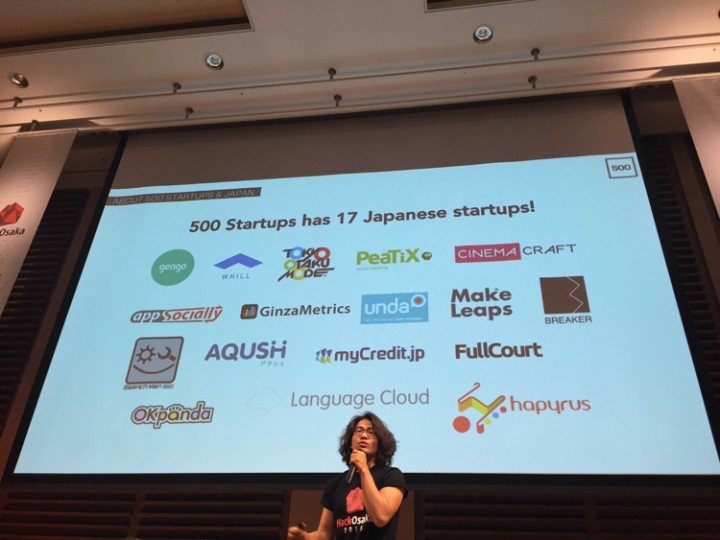
500 Startups has been keeping a tab on Japan. Here, managing partner Khailee Ng speaks to a crowd at Hack Osaka in western Japan.
A more productive use of time is doing product experiments. Turn your concept into a product and learn what makes your customers happy. Hard evidence that your product is functional, people use it, and more people want to try it is the best business plan.
Incidentally, McClure calls startups that are created today lean, little, cockroach startups. “Why cockroach? Because cockroaches survive.”
How investors survive
McClure identifies the biggest challenge for investors as finding a way to succeed despite the fact that most startups fail. To find the small percentage of outliers that can result in exits of more than US$100 million if not US$1 billion, it is necessary to invest in 100 to 200 startups.
That is why 500 Startups is structured to do approximately 250 initial investments with the expectation that about 50 of them will show enough traction in the next two years to justify further investment. Then, three to ten years removed from the initial investment, ideally ten or more of those companies will result in exits of at least US$100 million.





Stay updated on the go with our mobile app.
Get latest insights with smoother, more personalized experience through TIA mobile app.