Steven Millward · · 3 min read
She’s building Korea’s answer to AmazonFresh

Sophie Kim is the CEO. Photo credit: Market Kurly.
South Korea’s shoppers are set to hit US$40 billion in online spending this year, but not much of that is for groceries. In a country that puts a premium on fresh foods and ingredients – think bulgogi, that mouth-wateringly slender beef that you grill at your table – most people grab the essentials from supermarkets or traditional markets.
Sophie Kim, with her Market Kurly store, wants to get people into the habit of getting their groceries online.
She’s essentially building AmazonFresh for Korea – where Amazon doesn’t operate.
The startup promises all goods ordered before 11pm will arrive by 7am next day. With that, it’s grown to 150,000 registered members, each spending about US$50 a pop, in just 18 months.
“Players such as Shinsegae” – which runs giant supermarket chain E-mart – “are quickly trying to move into this online space. But having started and stayed offline for so long, all of their infrastructure and know-how are focused on the offline shopping experience,” Sophie tells Tech in Asia.
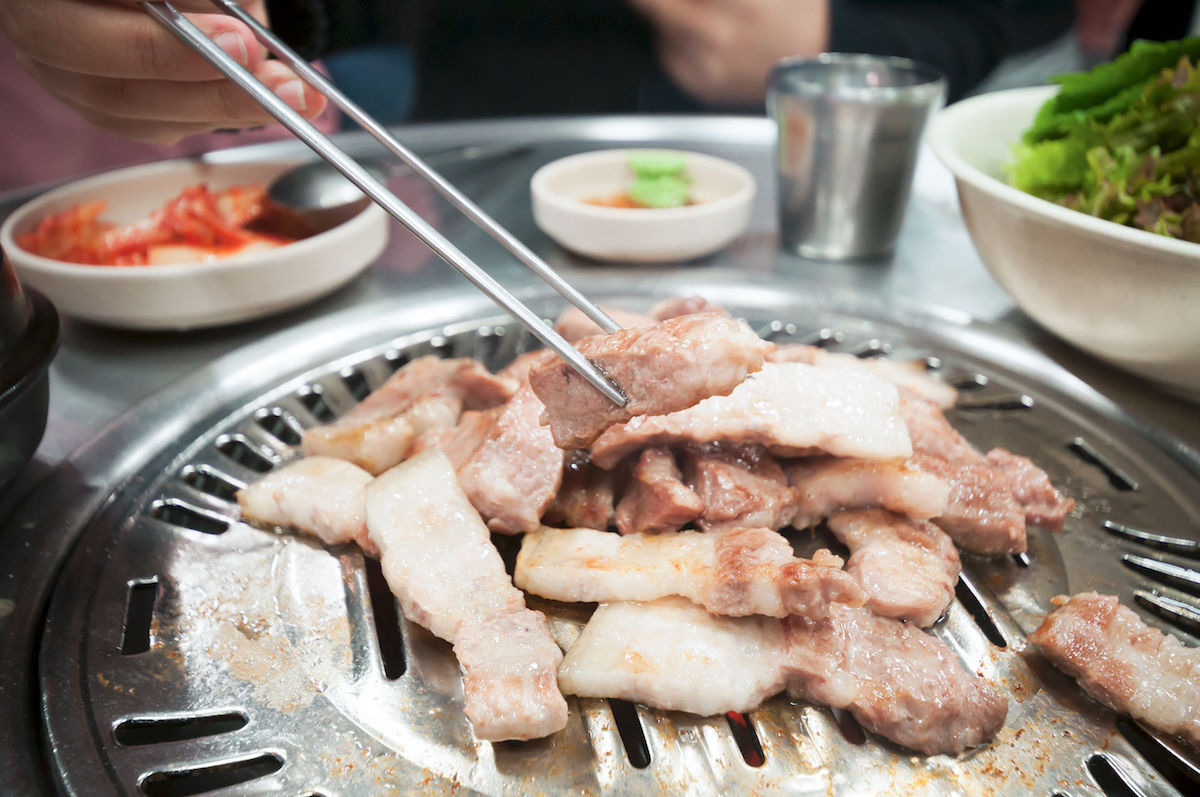
M’mmmmmm… bulgogi. Photo credit: coffeemate / 123RF.
“Thus, their ‘online’ business mainly consists of in-store employees picking up orders from the shopper’s nearest offline shop and delivering the goods to them,” she says.
“Given this system, there are incidents where certain goods are not available in certain stores and where delivery time can be delayed and not guaranteed, causing unnecessary inconvenience for the consumers.”
Getting fresh
Sophie, a veteran of several consulting and investment firms, is avoiding this by getting her startup to do absolutely everything – selecting only certain suppliers for the vegetables, bakery items, and all the other food; managing inventory; taking fancy photos for the website; and even hitting the streets with the deliveries.
It just secured series B funding.
By doing of all that – which doesn’t come cheap or without risk – she’s building a firewall between her startup and the major ecommerce sites in the country, like multi-billion-dollar Coupang, by ensuring it’s faster and has control over the quality of the groceries. Basically, it’s not a marketplace – a way of doing things that Sophie sees as problematic.
“They are unable to provide one-stop shopping or a delivery service, which is a must-have in providing a true grocery shopping experience,” she states. “We […] believe that owning and controlling the whole process is the only way” to do it right.





Stay updated on the go with our mobile app.
Get latest insights with smoother, more personalized experience through TIA mobile app.