
Welcome to The Offset! Delivered once a month via email and through the Tech in Asia website, this free newsletter breaks down the biggest stories and trends in greentech. Get it in your email inbox by registering here.
Hi there,
There’s a well-worn joke in Indonesia that goes: “If you want to test your patience, try plugging in the rice cooker, the air conditioner, and the iron at the same time.” The power cut that follows isn’t just electrical – it’s emotional.
That kind of frustration is familiar to many across Southeast Asia, where power grids have long struggled to keep up with demand. But now, the stakes are getting much higher, especially in places like Vietnam.
Global tech giants are lining up to build massive data centers in the country, eager to turn it into a regional cloud hub. Yet the existing infrastructure underpinning it all – aging power lines, cheap electricity, and inconsistent renewable supply – may not be ready to bear the weight of a digital future.
The cloud may be borderless, but its costs are not.
THE BIG STORIES
1️⃣ Xpeng’s Indonesia ally: a family-owned lifestyle retailer
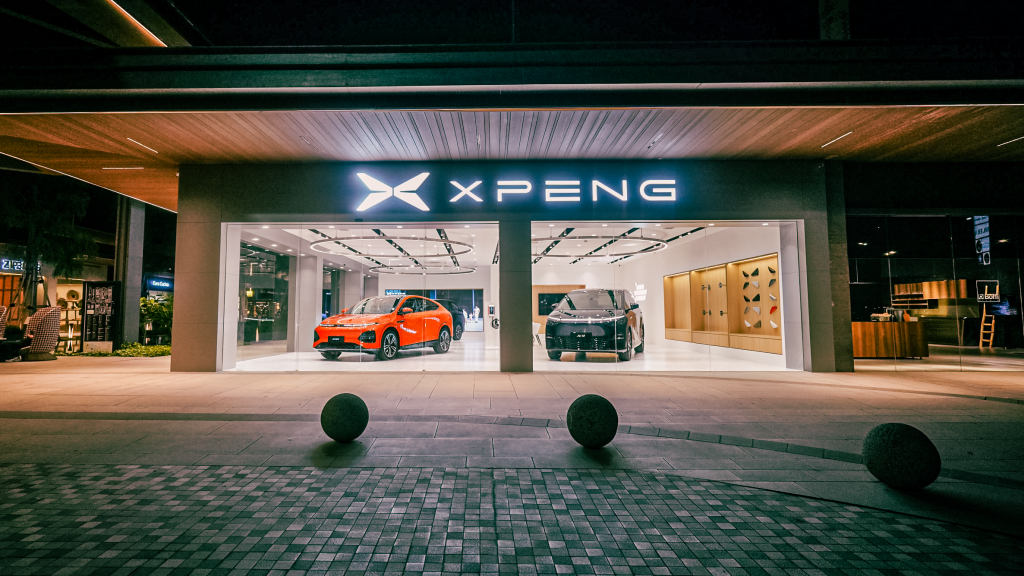
Xpeng’s first showroom is in the Indonesia Design District within Pantai Indah Kapuk 2. / Photo credit: Erajaya
Most Chinese EV makers entering Southeast Asia build their own presence from the ground up. Xpeng is trying something different: teaming up with Erajaya, a well-known gadget and lifestyle retailer in Indonesia.
While Erajaya has no track record in auto sales, its experience with tech products and affluent consumers makes it a compelling ally. Still, skeptics argue that brand trust and after-sales service will be hard to build, especially in a price-sensitive market where the adoption of electric vehicles remains modest outside the capital.
2️⃣ Mapping the players dominating China’s cleantech space
The country’s greentech sector is no longer just about giant EV companies. A new wave of startups in energy storage, battery recycling, and clean manufacturing is now capturing investor attention.
Tech in Asia data shows that over the past 12 months, China’s cleantech companies have raised over US$3 billion across 51 funding rounds.
3️⃣ Mapping the players sweeping Korea’s cleantech space
Investment into South Korea’s cleantech sector may pale in comparison to China in terms of funds raised, but the spread is telling. From commercial solar to water purification, Korean startups are experimenting with a wider array of solutions.
The past year saw US$92 million in cleantech funding spread across 34 deals, including a notable US$40 million round for recycling firm Reco.
DEEP READ
The cost of cloud: Vietnam’s data center push comes with a price tag

Image credit: Timmy Loen
Vietnam is rapidly becoming a hotbed for data center investment. Google, Microsoft, and Nvidia have all expressed interest in setting up shop, lured by low electricity costs and a government eager to position the country as Southeast Asia’s digital backbone.
But that growth comes with serious trade-offs: For one, data centers are massive energy hogs. A single 100-megawatt facility can consume as much power as 270,000 Vietnamese households.
Viettel, Vietnam’s biggest telecommunications firm, plans to build 24 new data centers by 2030. If this pushes through, it will add over 500 megawatts of new demand to a grid that already buckled during drought-induced blackouts in 2023. During that crisis, the shutdown of one hydroplant led to outages that disrupted industrial zones and exposed vulnerabilities in Vietnam’s energy infrastructure.
The pricing issue is also contributing to the strain. Industrial electricity in Vietnam is heavily subsidized, meaning foreign tech firms could end up paying less than the actual costs of power generation. However, that would leave everyday citizens to make up the difference. This invisible subsidy poses questions not just about fairness but also about priorities.
TRENDING NEWS
Also check out Tech in Asia’s coverage of Asia’s greentech scene here.
1️⃣ CATL breaks ground on $6 billion Indonesia battery venture
The Chinese manufacturer has launched a $6 billion joint venture with Indonesian state firms to build a full battery value chain in West Java and North Maluku.
Why it matters:
The project deepens Indonesia’s role in the global EV supply chain and signals President Prabowo Subianto’s intent to accelerate his predecessor Jokowi’s downstreaming push, which aims to turn raw resources into finished goods locally.
2️⃣ Meta signs deals to source more solar, wind power for data centers
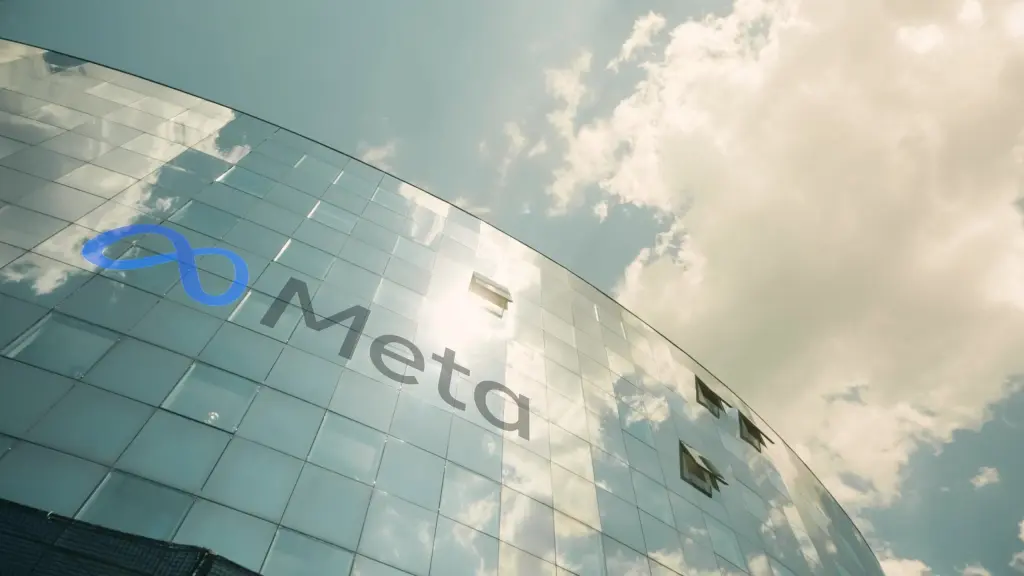
Photo credit: Shutterstock
Facebook’s parent firm has signed four new deals with Invenergy to source 791 MW of solar and wind power in the US, bringing their total partnership to 1,800 MW.
Why it matters:
Driven by AI’s computing demands, tech giants are hungry for clean energy. In turn, this growing appetite is reshaping energy procurement globally. Meta’s deals highlight how sustainability is becoming a strategic asset, not just a branding exercise.
3️⃣ Singapore and Indonesia deepen green energy partnership with three new deals
The countries have agreed to collaborate on cross-border electricity trade, carbon capture and storage, and the development of a sustainable industrial zone near Singapore.
Why it matters:
These deals mark a shift from letters of intent to actual implementation in regional green energy cooperation. They could unlock major infrastructure investments, especially if Singapore’s push for carbon storage in Indonesia gains legal backing.
4️⃣ South Korea’s industry ministry allocates $100 million to boost AI, renewable energy
The Ministry of Industry has allocated US$100 million from a supplementary budget to fund solar projects, industrial AI deployment, and talent development in green energy.
Why it matters:
By bundling AI and renewable energy in one budget package, South Korea is betting that tech-led transformation and climate goals can move in lockstep, offering a model for other countries with similar ambitions.
5️⃣ Global energy investment set to hit record $4.2 trillion in 2025 amid surge in clean power
The International Energy Agency estimates that clean energy will attract over half of the record-breaking global energy investment this year, led by solar and battery storage.
Why it matters:
While clean energy is booming, the report flags a worrying lag in grid infrastructure and uneven spending in developing countries. These challenges could derail the energy transition despite headline growth.
STARTUP WATCH
1️⃣ Singapore RE specialist Clean Kinetics raises $3.34m in series A round
Based in Singapore and Hong Kong, the renewable energy firm will use the funds to grow its solar asset pipeline and expand into new markets like the United Arab Emirates, Saudi Arabia, and Jordan. The round was backed by private investors with sector ties, giving Clean Kinetics added momentum in the infrastructure space.
2️⃣ Malaysia’s 3cat raises pre-series A funding to scale omnichannel circular electronics platform
The startup plans to grow its nationwide network of refurbished electronics stores and build a flagship repair center in Kuala Lumpur. 3cat, which already runs over 20 outlets, aims to be Southeast Asia’s most trusted brand for secondhand devices.
3️⃣ Indian e-mobility startup Kazam raises $6m series B
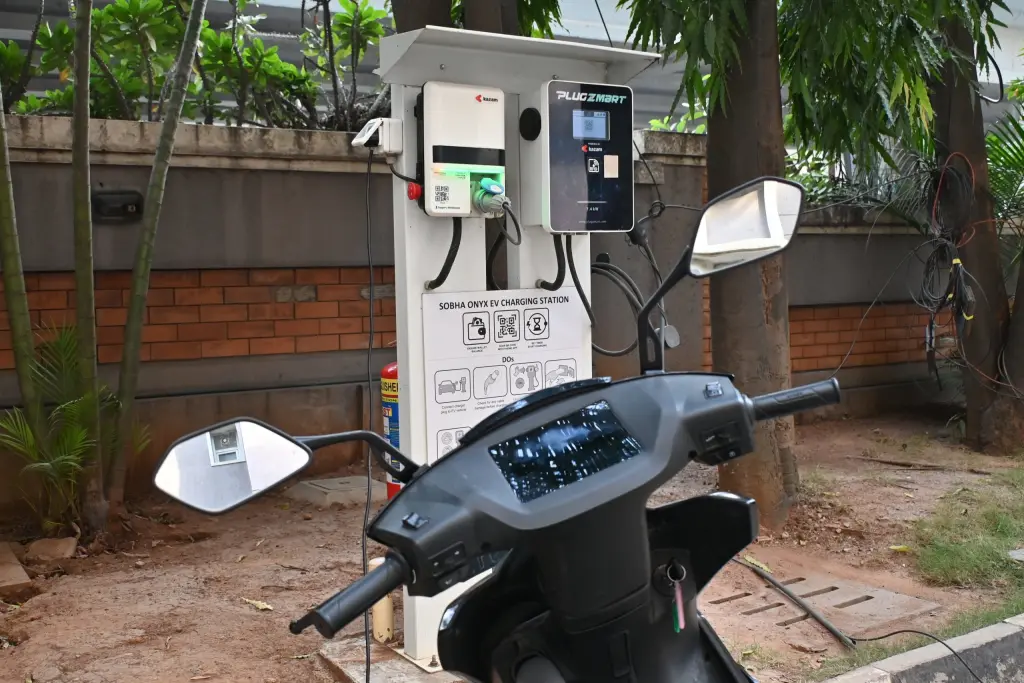
A Kazam EV charging station / Photo credit: Kazam
The company provides charging solutions to clients such as BigBasket, Flipkart, and Mahindra Last Mile Mobility. Kazam intends to use the fresh capital for growth, expansion, and general corporate purposes.
4️⃣ Green shipping, digital tools are key themes for Motion Ventures’ new $100 million fund
The new fund will invest in maritime decarbonization and supply chain tech. It aims to support startups offering sustainable solutions to reduce emissions across the shipping and logistics sectors.
5️⃣ Sthyr Energy secures $1 million in seed funding to advance zinc-air battery innovation
A spinoff of the Indian Institute of Technology Madras, Sthyr is developing a mechanically rechargeable zinc-air battery system ideal for long-duration energy storage applications, especially compared to conventional lithium-ion batteries. The funding will be used to accelerate its R&D, pilot launches, and scale-up efforts.
That’s it for this edition – we hope you liked it! Do subscribe to continue receiving The Offset.
See you next month!
The Offset is made possible thanks to Taiwan Mobile.
The company co-hosted the inaugural ‘2025 AI with Purpose Global Summit’ in May.
Taiwan Mobile, verified by the Science Based Targets initiative (SBTi), commits to net-zero emissions by 2050.
Stay updated on the go with our mobile app.
Get latest insights with smoother, more personalized experience through TIA mobile app.
Recommended reads
 Indonesian AI startup goes global
 Forrest Li on scaling Sea, building smarter bots, and founder grit
 An AI assistant that joins sales calls and scores team skills
 SGX’s CEO says it doesn’t need a unicorn to win
 SMEs want AI too, but not the kind Big Tech is selling
 Oatside’s alt-milk rise hits a profitable gear
 Alibaba’s financial health in 12 charts
 Asia’s telcos bundle AI into mobile plans. Will it pay off?
 M-Daq chases bigger clients as revenue falls, losses grow
 VC tracker: Accel raises US$3.5b, including US$550m for India





Edited by Eileen C. Ang and Peter Cowan
(And yes, we’re serious about ethics and transparency. More information here.)