- Insights This article was written by a TIA community member. Insights pieces undergo the same rigorous editorial process that newsroom-produced articles have.
 Nathan Thompson · · 4 min read
Is crypto’s real-yield revolution here?
This article is part of Crypto Insights, a segment by major crypto exchange Bybit that dives into the latest and most pertinent issues in the crypto space.

Photo credit: 123rf
We all got a bit overexcited at the end of the last crypto bull run. To appropriate a line from poet Allen Ginsberg: I saw the best minds of my generation destroyed by madness, starving hysterical naked, dragging themselves from project to project, lusting after quadruple-digit annual percentage yields (APYs).
In 2021, it wasn’t unusual for decentralized finance (DeFi) protocols to offer APYs of up to 15,000% (as in the case of Wonderland). This was paid for by huge token emissions that diluted the value of the token.
When the market sold off in 2022, these high-emission protocols fell like a drunk sailor tumbling over a white picket fence. So what shall we do with DeFi now that we’ve all sobered up?
Well, the best performers in DeFi this year have been protocols that generate actual profits and distribute them to token holders in the form of “real yield” – similar to dividend-paying stocks.
Take Gains Network, for example. The decentralized trading platform lists crypto pairs along with traditional stocks and forex pairs. Trades are executed based on the price feed of each pair (using a Chainlink-powered oracle) without the need for the protocol to hold the underlying assets. So it’s possible to offer advanced trading tools – like 150x leverage on crypto and 1000x leverage on forex.
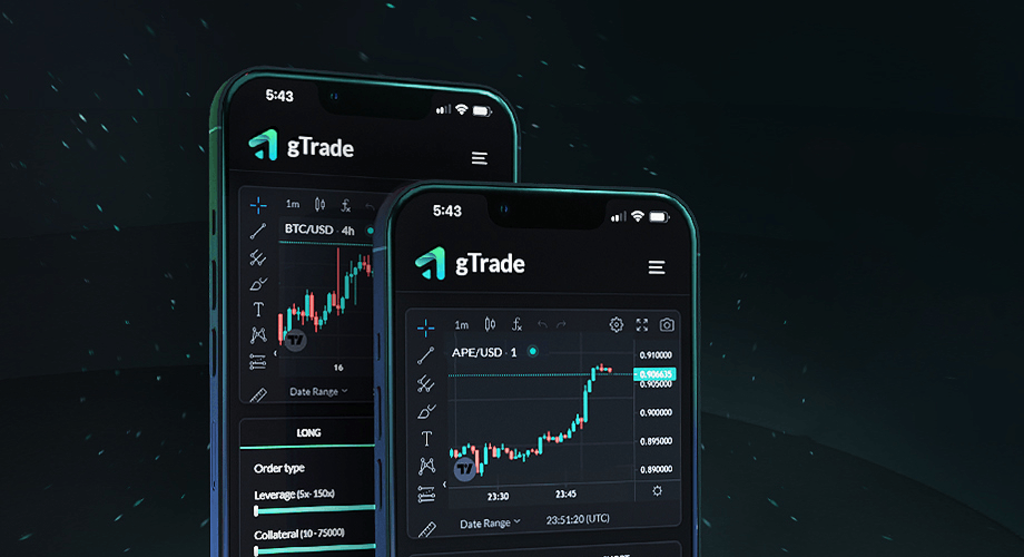
Image credit: Gains Network
Gains’ native token, GNS, has many uses, but it can also be staked by holders to earn a share of platform fees.
GMX, another decentralized trading platform, uses a multiasset liquidity pool that acts as the counterparty to leveraged trades. The pool consists of several tokens that GMX offers derivatives on and is represented by the GLP token. Holders of GLP receive 70% of the platform’s trading fees in return for providing liquidity.
Built on top of GMX is Umami Finance, which allows users to deposit funds and receive Umami, a yield-bearing asset.
Image credit: Tech in Asia





Stay updated on the go with our mobile app.
Get latest insights with smoother, more personalized experience through TIA mobile app.