 Jonathan Chew · · 6 min read
Crypto’s maturing ecosystem is drawing in institutional investors – here’s how

To say the crypto sector and its investors have taken a beating over the last year would be an understatement.
First, it was the Terra-Luna collapse. Then Three Arrows Capital crumbled. And finally there was FTX’s implosion.
If you’re wondering “who’s next,” you’re probably not the only one.
That said, all is not lost.
Despite all that, institutional investors are coming back to the industry – a survey of institutional investors by asset management firm Fidelity found that 74% of respondents planned to invest in crypto in the future.
That’s because a large number of institutional investors “genuinely see value in the ecosystem” beyond investing in crypto as a form of diversification, according to Raghav Sood, vice president of strategy at Coinhako, a Singapore-based crypto-trading platform.
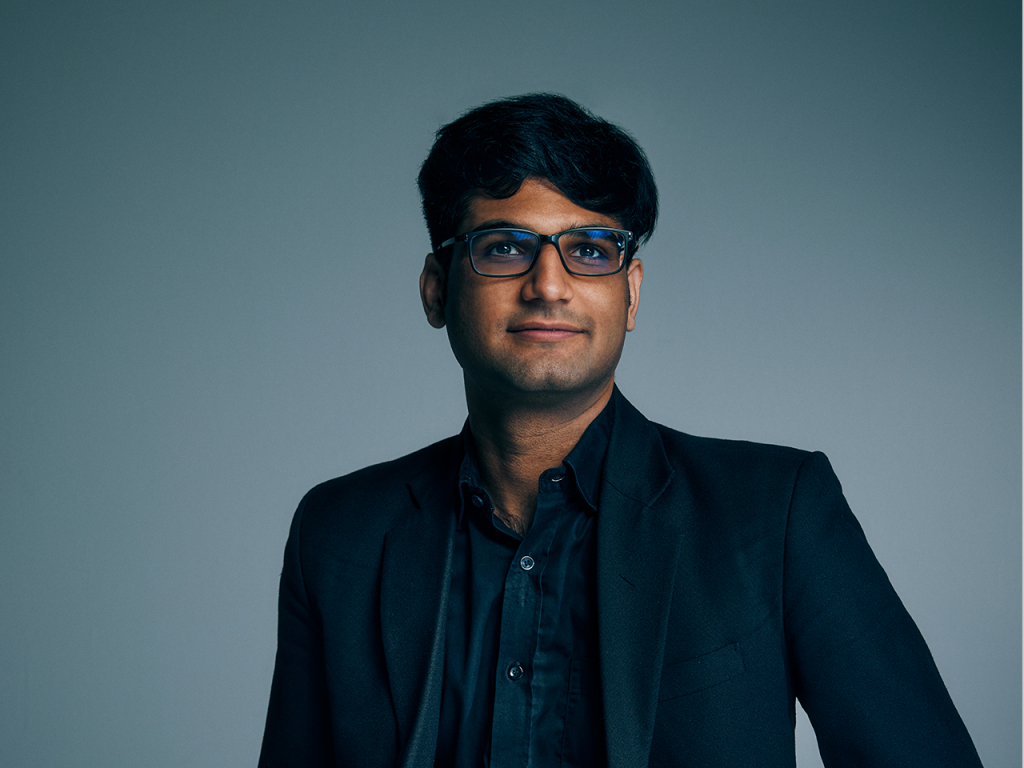
Raghav Sood, vice president of strategy at Coinhako / Photo credit: Coinhako
“Some investors like crypto simply because of its 24/7 nature – they know they have custody of their funds and can trade at any time without needing to wait for the banks to open,” he continues. “Other investors see crypto-based solutions as a way to remove the inefficiencies present within the traditional financial system.”
Of course, crypto being a nascent industry means that investments in the industry come with high risks. Over the years, however, that’s gradually changed – the sector has matured further and seen several significant developments that made institutional investors more comfortable with investing their funds in crypto.
Stamp of approval
One big change that’s affected investments in the crypto sector is a whole new slew of regulations. More specifically, we’re talking about the big “L” word: licenses.
“Multiple jurisdictions have come out with formal licenses. For instance, Singapore’s Payment Services Act covers the licensing of crypto firms,” Sood says.
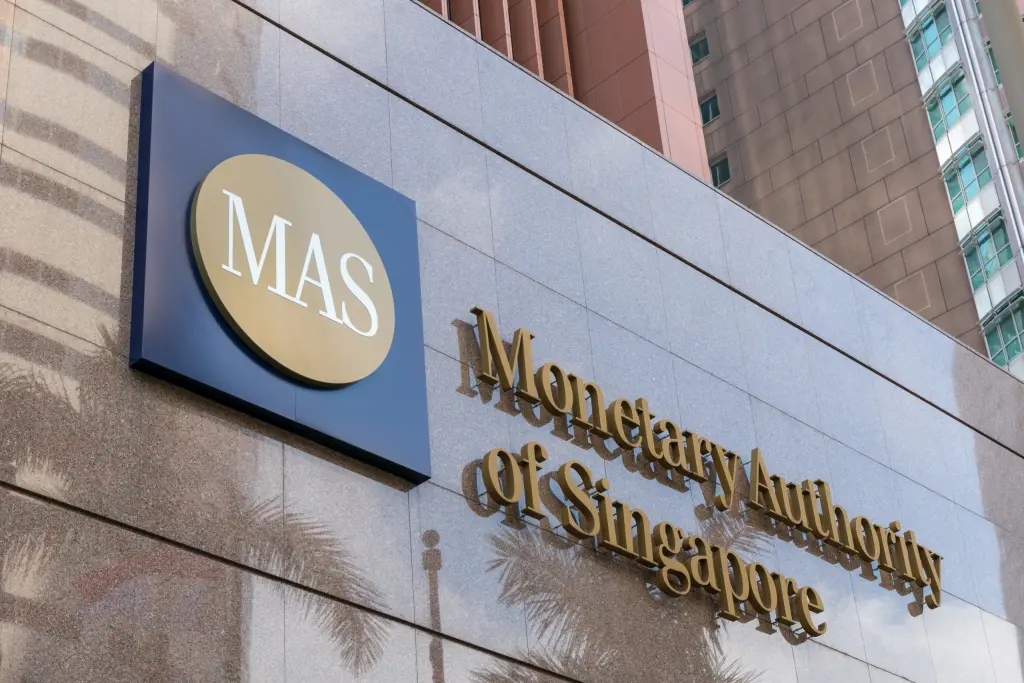
Passed in 2019, the Payment Services Act comes under the purview of the Monetary Authority of Singapore / Photo credit: stpsae
Other regulatory developments in the region include Malaysia’s Securities Commission enacting a law for digital currencies and tokens in 2019 as well as the Indonesian Commodity Futures Trading Supervisory Authority setting up a regulatory framework for crypto assets in the same year.
Regulatory developments are important because even if a licensed institutional investor is on board with investing in the space, there are many instances in which a licensed entity would not be allowed to interact with an unlicensed party, he adds.
“The moment licenses started getting formally issued, many institutional investors had a viable way to access the space,” he points out.
Ultimately, a strong regulatory environment ensures that should institutional investors get involved in crypto, they can figure out which party is the safest to invest in or has been government approved.
Investor-specific needs
Another major development that allowed more institutional investors to enter the industry is the advancement in custodial technology and solutions. This refers to the software – or sometimes hardware in the case of offline wallets – that allows a user to manage their investment funds.
While self-custody solutions like Metamask have been around for a while, many were geared towards individual users. For firms that deal with millions or even billions of dollars every day, such solutions simply weren’t enough.
“For institutional custody flows, you want to have things like maker-checker functions or threshold-based approval, where amounts above a certain dollar value require the approval of, say, a director,” Sood explains.

Now that the industry has had time to grow, crypto custody solutions have matured and now offer the same depth and breadth of capabilities as custody solutions in traditional finance do, with the additional benefit that the former are completely trustless, he adds.
This trustless aspect allows investors to enforce all the checks and balances they need without requiring the actual solution provider to be present or even exist.
For example, Coinhako works with Fireblocks to offer such a trustless custody solution. Even if Fireblocks were to go under, investors can still access their keys and recover their funds in a timely and effective manner – a significant advantage over the traditional financial system.
“In traditional finance custody, you have to trust your custodian bank or provider because if they or their systems go down, you’re stuck – there’s nothing you can do,” Sood points out.
Opening up new strategies
Last but not least, new and different trading strategies have made cryptocurrency a much more attractive asset class for institutional investment. More trading and investment strategies allows institutional investors to follow market movements more closely and hedge risks to better protect profits. This means that they can optimize available capital even better – something that’s very important to any investor.
“In the last couple of years, there’s been an evolution where options trading has steadily become more pervasive,” Sood says.
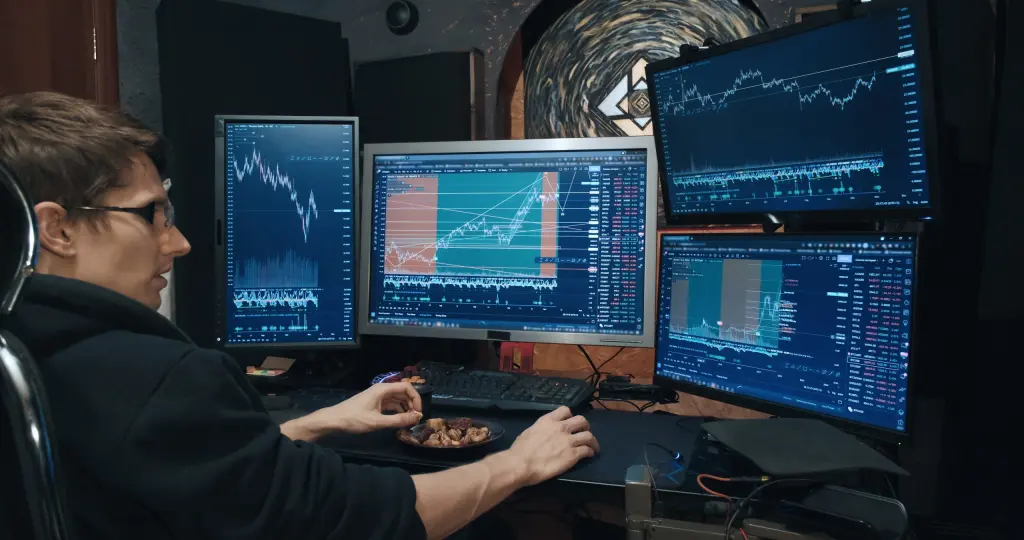
Photo credit: fromvision / 123RF
According to him, while the options market has always been around in crypto, it’s historically been focused on Bitcoin. However, in the last few years, options trading has leaned into other major blockchains, such as Ethereum.
“A robust and vibrant options market opens up a lot of investment strategies,” he continues. “It allows investors to optimize their capital and trade significantly larger sizes while managing risk at a relatively low cost.”
Preparing for entry
Sood also has some advice for institutional investors now looking to get into the space.
Firstly, investors have to understand the crypto industry beyond its financial value. For instance, that means knowing counterparty risk when using certain platforms, understanding how to recover their assets should things go south, or figuring out the safest custody arrangements, among other considerations.
In traditional finance custody, you have to trust your custodian bank or provider because if they or their systems go down, you’re stuck – there’s nothing you can do
There are also things that are generally regulated in traditional finance but aren’t yet in the crypto sector. Just because something is standardized or regulated in traditional finance, doesn’t mean that the assumption will hold true for the decentralized finance space, he says.
For example, it’s common for traditional finance stakeholders to rely on things like an ISDA Master Agreement, which outlines certain transactions between two parties. However, the same cannot be applied to crypto firms as they usually draft individual contracts.
“Working with a trusted partner helps, because crypto is a vast space,” he says. “I don’t think it’s reasonable to expect every investor to understand every single nuance in the sector.”
Stay safe
At the end of the day, crypto is such a fast-developing space that it’s hard to predict what will happen down the line.
As such, institutional investors should remember not to go overboard with their investments. That means targeting more risk-adjusted returns instead of outsized returns, such as the notorious tokens that claim to offer 22,000x returns in three years or something similar – which are usually dangerously close to gambling.
“That will allow institutional investors to explore the space without getting caught up in hype trends and evaluate opportunities based on their merits,” he says.
“If you compound this over multiple years, it adds up very quickly versus going for a single 100x trade.”
Founded in 2014, Coinhako is a crypto exchange platform that provides access to a wide variety of digital assets. Its vision is to enable access to the crypto economy across Asia.
To find out more about Coinhako, visit its website.
This content was produced by Tech in Asia Studios, which connects brands with Asia’s tech community. Learn more about partnering with Tech in Asia Studios.
Stay updated on the go with our mobile app.
Get latest insights with smoother, more personalized experience through TIA mobile app.
Recommended reads
 Tracking AI hiring in Singapore: OpenAI, Anthropic, and more
 Last to board: why travel may be AI’s final frontier
 Why ‘cheaper’ no longer wins dev deals for Vietnam
 Alibaba’s capex isn’t the full story
 Forget startups. Buy the business running on Excel
 Life’s a game, and AI agents are Animoca’s new play
 Indonesian AI startup goes global
 Forrest Li on scaling Sea, building smarter bots, and founder grit
 An AI assistant that joins sales calls and scores team skills
 Beyond the check: Why VCs need more than capital





Editing by Stefanie Yeo and Arpit Nayak
(And yes, we’re serious about ethics and transparency. More information here.)







📅 Upcoming Events
22 October 2026
Payoneer x CSPN Summit 2026