 Mary-Anne Lee · · 7 min read
Kickstart my heart(ache): how crowdfunding has really worked out for Asian developers
Given the data we shared in our last report on the decline of Kickstarter, it would seem that crowdfunding may not end up being the best use of a developer’s time or resources today. But at the same time, there are studios in Asia who are exploring a campaign, or have successfully gotten funded on Kickstarter. How did they do it, and is a successful crowdfunding campaign really reliant on big brands and referrals from other campaigns?
Let’s first take a look at one Kickstarter campaign from Indonesia that smashed, rather than simply meeting, its funding goal.
Ekuator Games put out a Kickstarter for the epic RPG Celestian Tales: Old North that got funded for twice the amount it aimed for. The game took just ten days to meet its NZ$30,000 ($23,489) funding goal. But what seems like a ten-day journey on the surface was actually a full year’s struggle.
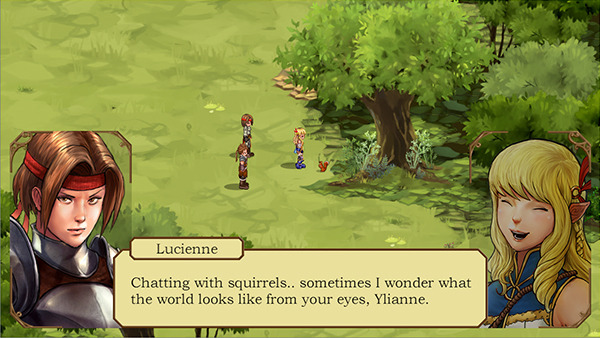
In-game screencap from the Celestian Tales Kickstarter.
Producer Cipto Adiguno shared that the team had an unsuccessful Kickstarter campaign the year before, where it fell short of its proposed $40,000 target. Having failed the first round, Ekuator Games picked itself up, dusted off its knees, and got to work to ensure the next round would be a success.
Adiguno says that although the team did spread word of its game on online forums and communities, it was more about keeping original backers constantly updated. “We were serious about this project and we showed it through our work,” he says, adding that the team kept these updates going for months before the new Kickstarter launched. When the campaign finally went live, the original backers came back and gave Celestian Tales a “great early push” which was key to its funding success.
Most of Celestian Tales’s backers are from the US and Europe, Adiguno says, though there’s no specific country that stands out. In Southeast Asia in particular, support came from Malaysia and Singapore, as well as Ekuator Games’ home country, Indonesia. Adiguno adds that Kickstarter doesn’t have much of an Asian audience, so he suggests against aiming for domestic funds.
Interestingly enough, Adiguno doesn’t echo what statistics say. He thinks crowdfunding is becoming an “established production method”, and that while there definitely are skeptics, lots of people also believe in the system. He emphasises on the heart of fundraising: there’s no easy way, regardless of the route you take.
You don’t just put something up and hope that everyone throws their wallet at you. You’ll have to work. You’ll be stressed. You’ll question if this is the right thing to do. But that’s the way everything goes.
Adiguno and his team believe that with enough skill, willpower, and perseverance, nothing is impossible.
Is that really enough?
But are the qualities Adiguno listed really enough? Hiragana Pixel Party was developed as an iOS game back when James Barnard was a solo indie developer. Now armed with a full team and having incorporated Springloaded Games Pte Ltd, Barnard has embarked on a Kickstarter campaign to bring Hiragana Pixel Party to consoles and computers, as an “experiment to learn about how viable Kickstarter is”.
Indie devs, this is how the Square Enix Collective works





Stay updated on the go with our mobile app.
Get latest insights with smoother, more personalized experience through TIA mobile app.









📅 Upcoming Events
22 October 2026
Payoneer x CSPN Summit 2026