- Insights This article was written by a TIA community member. Insights pieces undergo the same rigorous editorial process that newsroom-produced articles have.
 Hoa Nguyen Le · · 3 min read
How does a D2C brand solve a problem like going cross-border?
Hoa Nguyen Le is the co-founder and CEO of Dutycast, a startup that offers a solution that eases cross-border ecommerce for shoppers and sellers.
The direct-to-consumer (D2C) ecosystem is undergoing a paradigm shift in investment and valuation dynamics. In the second quarter of this year, global venture funding fell to US$60.5 billion, the lowest since 2020.
Valuations have also fallen significantly. Look at Walmart’s recent sale of Bonobos for US$75 million, a mere fraction of its 2017 acquisition cost. Brands like Warby Parker and Allbirds have also seen their valuations dip after a triumphant 2021.

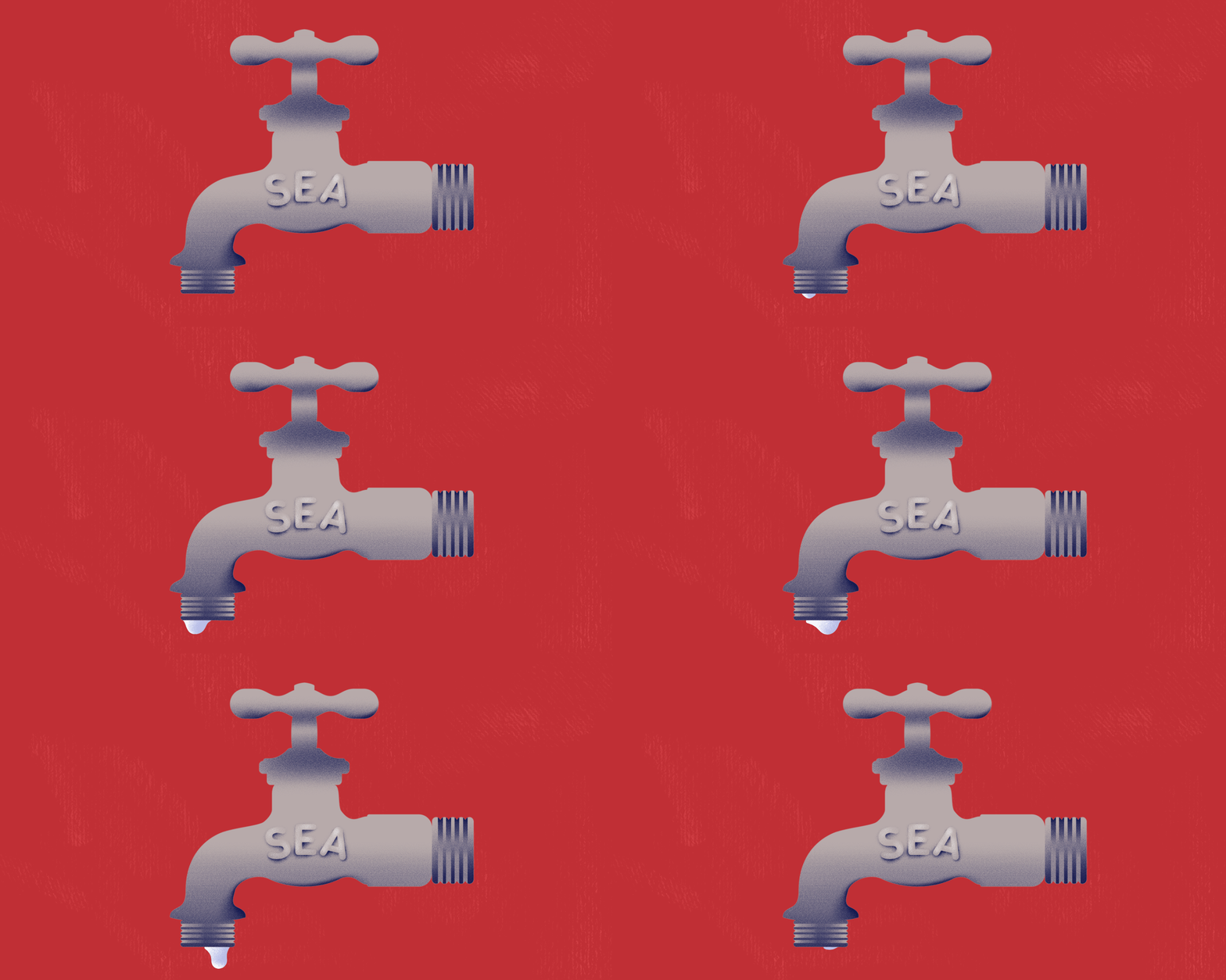
Image credit: Timmy Loen
In addition, customer acquisition has become a greater challenge for D2C brands. In the US, the cost to reach 1,000 people through Facebook tripled from US$6 to a staggering US$18 within just two years.
Apple’s iOS 14.5 privacy changes have further complicated the landscape by making it harder to accurately determine how effective advertising is across apps, meaning they have to spend more to get similar results as before the changes. This surge in costs, coupled with rising energy and shipping expenses, is exerting pressure on profit margins.
Amid these challenges, D2C firms are looking to cross-border ecommerce as an avenue to boost growth. Southeast Asia is anticipated to lead the way, boasting ecommerce growth of 29.6% and with 42% of online shoppers engaging in cross-border purchases.
While the cost per click (CPC) on Facebook in the US ranges from US$0.5 to US$2.00 plus, and the cost per thousand impressions (CPM) ranges from US$5 to US$20, Asia tells a different story. In Vietnam, for instance, the CPC is a mere US$0.1 to US$0.3, and the CPM stands at US$1 to US$5, making it an attractive opportunity for efficient marketing expenditure.
However, challenges remain in expanding across borders, particularly as governments look to protect local businesses with new regulations. Let’s dive into what D2C firms need to consider before looking overseas.
Choosing the right strategies for growth
While setting up and running a marketing campaign to test different markets is simple and affordable for brands, cross-border operation is a whole different story.
Here are different paths for brands to expand internationally, each with their pros and cons.
Listing on global marketplaces
Cross-border ecommerce is currently dominated by major marketplaces like Amazon, Zalando, Alibaba, and eBay. Each has its own fulfillment and shipping solution to support merchants in selling their products internationally.
However, brands should be prepared to invest resources to comply with marketplace requirements.
Stay flexible





Stay updated on the go with our mobile app.
Get latest insights with smoother, more personalized experience through TIA mobile app.







📅 Upcoming Events
22 October 2026
Payoneer x CSPN Summit 2026