Jonathan Chew · · 6 min read
How this company brought its cancer-fighting solutions overseas

Put yourself in the shoes of a cancer patient who’s been undergoing treatment for months. There’s constant fatigue, vomiting, hair loss, and other side effects, but you persevere and hold on to the hope of getting better.
Then in less than a week, everything changes.
Covid-19 strikes, and with travel restrictions in place, the overseas clinic you’ve been going to for life-saving treatments is suddenly out of reach.
This was what happened to the patients of International Cancer Specialists (ICS), a Singapore-based clinic that provides cancer treatment and screenings.
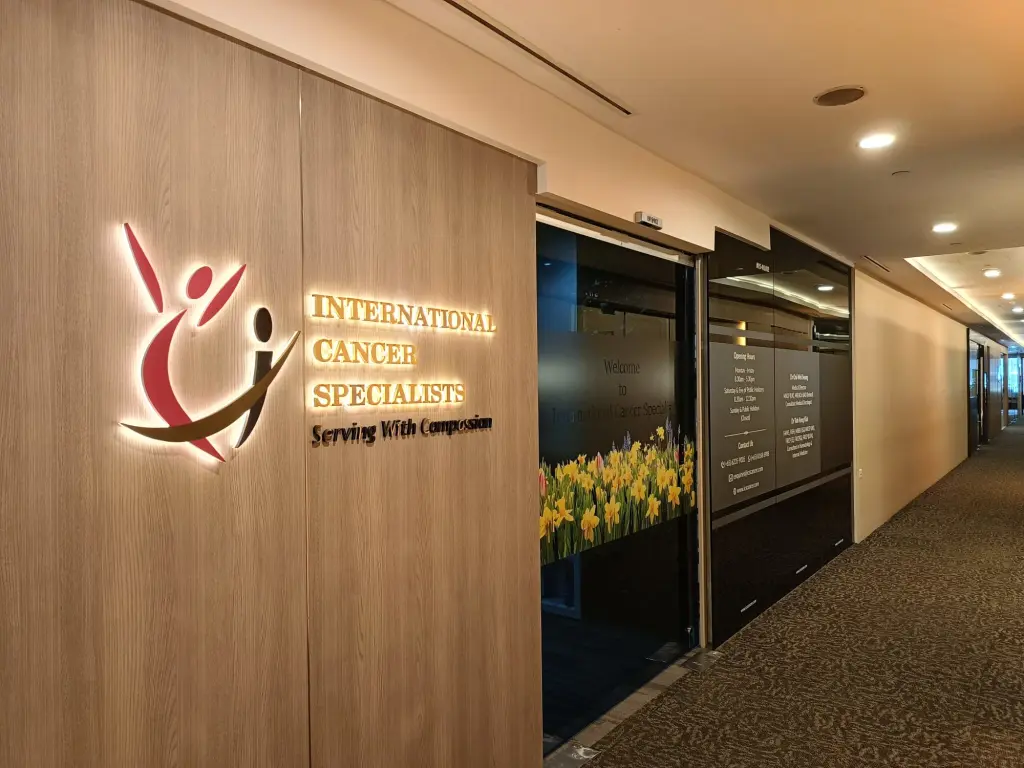
ICS’ clinic located at Orchard Road, Singapore / Photo credit: ICS
“Most – if not all – of our foreign patients could no longer continue their treatments,” says Benjamin Tan, CEO and executive director of ICS. “It was an extremely concerning situation because chemotherapy has to be undertaken frequently, alongside other treatments and follow-up care.”
Band-Aid solutions
With restrictions in place, ICS had to figure out a workaround.
“We were scrambling to figure out how to best continue [our patients’] care,” Tan says. “No one knew how stringent the upcoming measures would be, so we were forced to be creative.”
ICS first tried shipping the medication – such as chemotherapy drugs – to its overseas patients. However, certain medicines had to be transported at very specific temperatures to remain effective.
“It was very expensive and difficult to find local providers that could do this reliably. We couldn’t just abandon our patients, so we bit the bullet and bore the logistics costs while figuring out new ways to reach [our patients],” Tan recounts.
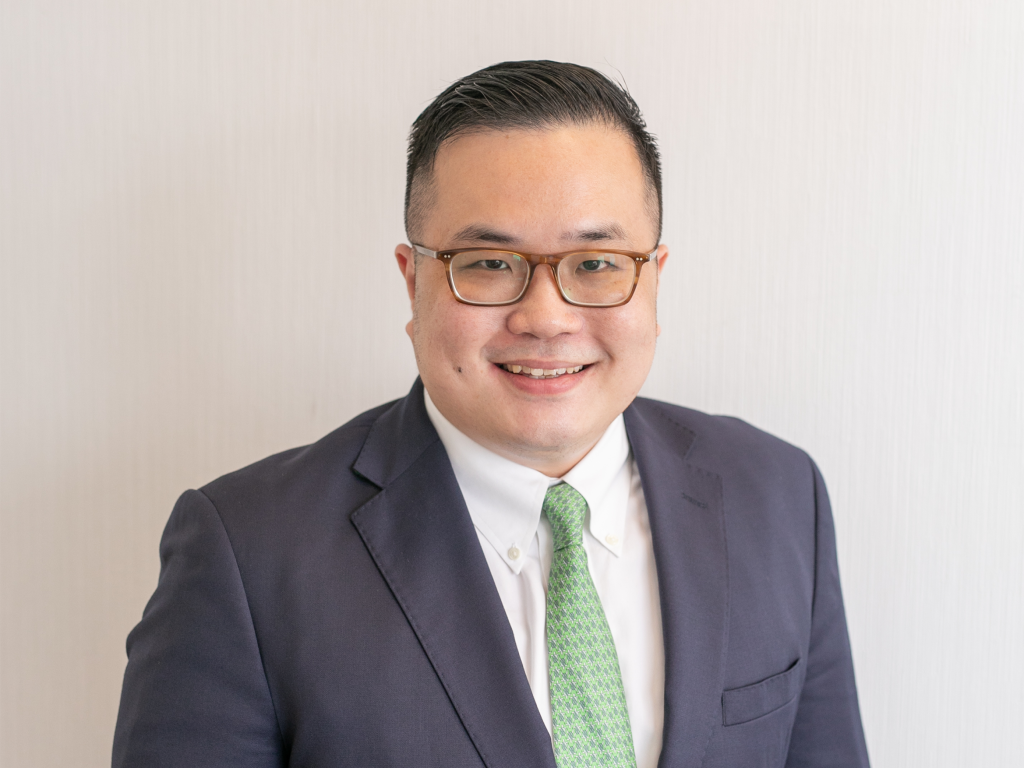
Benjamin Tan, CEO and executive director of ICS / Photo credit: ICS
To complicate things, some of the overseas clinics that ICS was shipping the medications to weren’t confident in administering the drugs correctly. To mitigate this, some nurses at ICS filmed explainer videos and even facilitated livestreams to point out mistakes in a more timely manner.
But that wasn’t enough. Even if the medication was delivered and administered correctly, healthcare facilities were simply too overwhelmed with Covid-19 patients at the time.
“Many of our clients didn’t want to go to the hospitals for fear of getting Covid-19 and spreading it to their families. They preferred to stay home because with cancer, at least they were the only ones at risk,” Tan says.
This spurred the company on to come up with better solutions.
Everyone wins
The feedback from its patients inspired ICS to bring its treatments and services to its patients’ doorsteps. To do that, it needed to work with overseas partners, which was how it came up with Sharecare.
Under the program, patients would go to Singapore for initial consultations, checkups, and even the first few chemotherapy cycles. They would do this until it was shown that the treatment worked and they stabilized. Afterward, they would return to their home country to continue treatment with one of ICS’ partners.
“This approach provided cost savings of 40% to 50% for patients compared to staying in Singapore the whole way,” the CEO says.
ICS works with its partners to share not only its technology but also its valuable expertise and know-how. This includes its clinical knowledge in business development planning and clinic management, all of which are “essential to holistic patient care” and give the company a strong competitive edge.
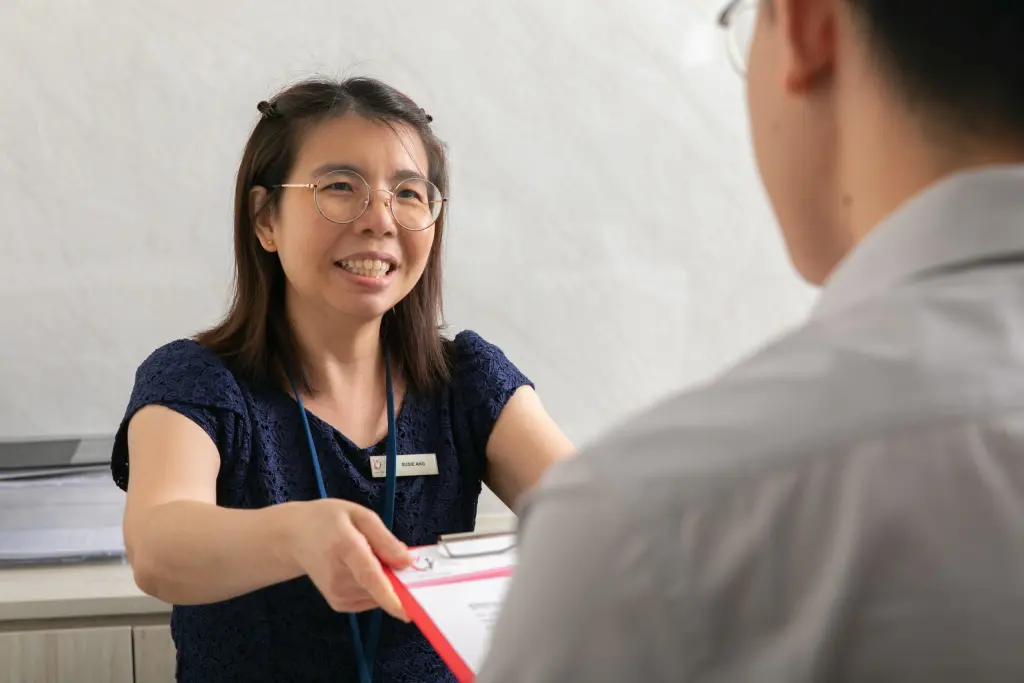
Patient experience is key / Photo credit: ICS
Ultimately, this ensures that patients can receive the same quality treatment at their local clinics.
In December 2021, ICS was ready to expand overseas with the program – all that was left was to ensure that any underlying intangible assets (IAs) would be protected.
Putting pen to paper
Tan had experience obtaining IA and intellectual property (IP) protections for another startup he was a part of, so he knew exactly where to go to get help with Sharecare: IPOS International.
Through consultations with the organization’s IP strategists, he learned that each step and process in Sharecare had to be documented so the company could share its expertise and know-how with partners more effectively. This would allow partners to properly replicate the standard of care that patients received in ICS clinics.
By documenting these details, ICS could also classify the information and apply clear restrictions to who could access it – namely, employees and partners. Down the line, the documentation would also support ICS in scaling and expanding overseas more efficiently.
“Clinical processes are usually the same globally because of regulatory standards, but it’s the little details and services that we offer patients that establishes our IA and IP. That’s where the magic happens,” Tan says.
Additionally, ICS needed to protect its branding while expanding Sharecare overseas. The firm was advised to strengthen its brand name and engage with an IP service provider to secure necessary trademark registrations in the countries it plans to operate in. This would allow ICS to enforce legal action against unauthorized use of its trademarks.
It would also reduce the risk for ICS should other parties have already registered similar trademarks with local IP offices.
Once these considerations were established, the company started looking around for partners, and it eventually found a breakthrough in Indonesia.
With the help of GlobalConnect@SBF – one of IPOS International’s partners – Tan was introduced to the Primaya hospital group. Being proactive about ICS’ IP and documenting everything was instrumental because it showed Primaya that ICS had something that was unique, fixed, and could be protected.
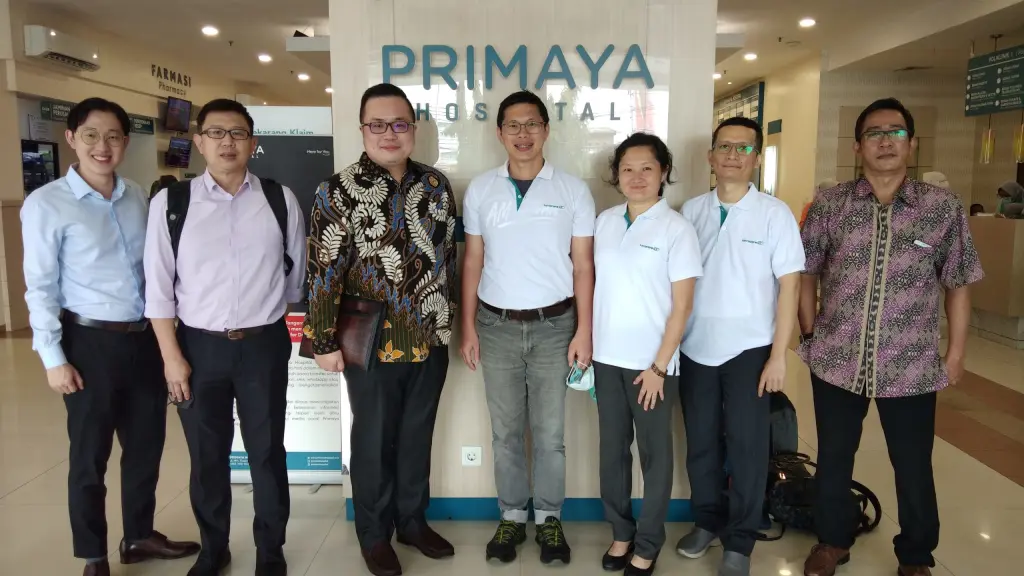
The beginning of a beautiful friendship / Photo credit: ICS
“Once they learned that it’s not just about service agreements or branding and slapping our logo on their clinics, they really appreciated what we were trying to do,” Tan says.
ICS’ focus on protecting its branding through trademarks helped too, he adds.
“The Sharecare concept is still very new, so we still have to explain it to our partners a little,” he says. “Our Indonesian partners shared that while they already saw how helpful Sharecare could be, the trademark protection was a huge bonus that got them fully on board.”
A 10x revenue future
With ICS’ expansion efforts in full swing, Tan sees a bright future for the company and is now exploring establishing a presence in Vietnam through GlobalConnect@SBF as well.
“If everything comes to fruition, we can easily hit 10x revenue as compared to now,” he shares.
That’s not all – even as it looks to expand Sharecare to more countries, ICS wants to get involved in the manufacturing and development of healthcare facilities or even the raw materials required for cancer care.
It’s also looking to partner with other healthcare-adjacent organizations, such as insurance firms, to try and minimize the effects of inflation on insurance costs. ICS is reviewing how it handles its IA and IP in these new business activities and will continue to leverage the resources offered by IPOS International on how to manage IP for commercial advantages.
Finally, the ICS CEO wants to automate administrative tasks even more and streamline healthcare efforts with AI.
“I believe that if everyone works together, we can come up with something groundbreaking to really focus on patient care,” he says.
IPOS International is a subsidiary of the Intellectual Property Office of Singapore. It helps enterprises manage their IA and IP effectively for transformation and growth. Interested in how its programs can help in those areas? Get in touch here.
This content was produced by Tech in Asia Studios, which connects brands with Asia’s tech community. Learn more about partnering with Tech in Asia Studios.
Stay updated on the go with our mobile app.
Get latest insights with smoother, more personalized experience through TIA mobile app.
Recommended reads
 Indonesian AI startup goes global
 Forrest Li on scaling Sea, building smarter bots, and founder grit
 An AI assistant that joins sales calls and scores team skills
 Beyond the check: Why VCs need more than capital
 SGX’s CEO says it doesn’t need a unicorn to win
 SMEs want AI too, but not the kind Big Tech is selling
 Oatside’s alt-milk rise hits a profitable gear
 Alibaba’s financial health in 12 charts
 Asia’s telcos bundle AI into mobile plans. Will it pay off?
 M-Daq chases bigger clients as revenue falls, losses grow





Editing by Winston Zhang and Jaclyn Tiu
(And yes, we’re serious about ethics and transparency. More information here.)