 Michael Tegos · · 5 min read
Y Combinator’s hardware expert Luke Iseman has some advice for startups

Luke speaking at INK Asia 2016. Photo credit: INK Asia.
Software has been eating the world, but times are a-changing. Hardware is no longer the albatross around a startup’s neck that it used to be. Technologies like 3D printing and cheaper components are now more widely available, lowering the bar for startups making hardware.
To get into YC, it’s good to have a prototype or at least a very preliminary, occasionally-catching-fire version of it.
Startup builder Y Combinator has always been interested in the world of atoms. In August 2015, it brought on Luke Iseman as part of a concerted effort to grow hardware startups through its program.
Luke is an experienced entrepreneur and tinkerer, known as much for his maker expertise as for his use of shipping containers to solve San Francisco’s housing crisis.
As co-founder and CTO of garden soil sensor startup Edyn, he is a YC alum himself, and that’s a big part of what he brings to the table for startups joining the program. “It’s so much less expensive and faster to iterate on hardware by building on our base of alumni and curating a community of their advice,” he tells Tech in Asia during his visit to Singapore, where he’s speaking at the INK Asia 2016 conference.
Luke has helped set up a maker’s lab in YC, equipped with 3D printers, soldering gear, and other things that aspiring makers might need.
Getting into YC
The requirements for getting your hardware startup into YC aren’t so different from software startups. “They’re all trying to do the same fundamental thing – make things people want,” Luke says, repeating YC’s mantra. They have to show they have a team that can work together, they can execute their vision, and they can find an audience for their product.
Of course, with hardware startups trying to get into YC, it’s good to have a prototype “or at least a very preliminary, occasionally-catching-fire version of it,” Luke says. His favorite thing is to see startups that have previously been rejected apply again with an improved prototype.
“They’ve taken the advice we gave them, they’ve iterated on their product, they’ve gotten it out to users no matter how rough, they’ve responded to the users’ feedback – they’re basically a moving train,” he says. The best startups are the ones that manage to ship units very early in a very rough form, get feedback, and iterate frequently.
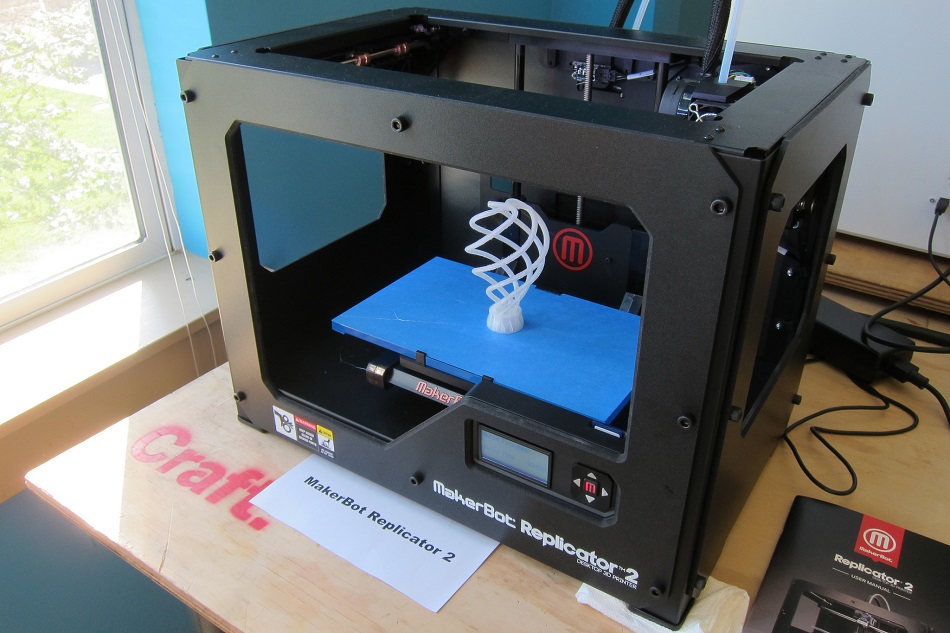
3D printers like this one have made it easier for hardware startups to iterate on their products. Photo credit: See: HaxAsia hardware accelerator rebrands as Enchant VC, launches new program
Convincing investors
The difficulty hardware startups have in approaching and securing investors is not lost on Luke. Being persistent is important here.
“You have to be very concise and clear about where you are, why you’re going to be able to do this, and what progress you’ve shown,” he says. If you have an idea for a product with a 20-year time frame and you want someone to invest in it, plan out the next two years and tell them what you hope to achieve by the end of that period – and be prepared for everyone to reject you.
Crowdfunding the right way





Stay updated on the go with our mobile app.
Get latest insights with smoother, more personalized experience through TIA mobile app.








📅 Upcoming Events
22 October 2026
Payoneer x CSPN Summit 2026