Welcome to Tech in Asia’s Daily newsletter, your essential dose of Asia’s tech and startup buzz. Not on the mailing list? Register here. Got a story tip? Send it to editors@techinasia.com.
In focus
For this edition, we cover:
- Two startups aiming to use lab-grown brain cells to power AI chips
- A VC investor expressing disappointment over peers’ stance on “predatory” VC terms
- Intel denying report that over 20,000 employees could be laid off
Hello reader,
During a trip to Busan in 2017, I stayed in a hotel that let me control everything in my room through an app – from the room temperature to the schedule when curtains are drawn.
Looking back, I can’t help but wonder why everyday items in our homes started getting “smart” only in the 2010s. What if objects were smart not only because they were connected to the internet but also because they were “living”?
It’s an idea floated to me in a recent conversation with a futuristic founder trying to commercialize biocomputing. The process involves performing computations using lab-grown brain cells that mimic the human brain structure.
For now, however, they are being experimented on to pursue a future where our AI systems are run not by silicon chips but by brain cells. The AI systems we currently know are trained to mimic how the human brain processes information, after all.
With this innovation, startups such as Cortical Labs and FinalSpark expect to exponentially reduce AI systems’ energy consumption requirements.
Meanwhile, a VC investor from Singapore airs her disappointment over her peers’ seemingly accepting stance on “predatory” VC terms.
The Big Story
AI’s future could be brain cells in a dish, not silicon chips
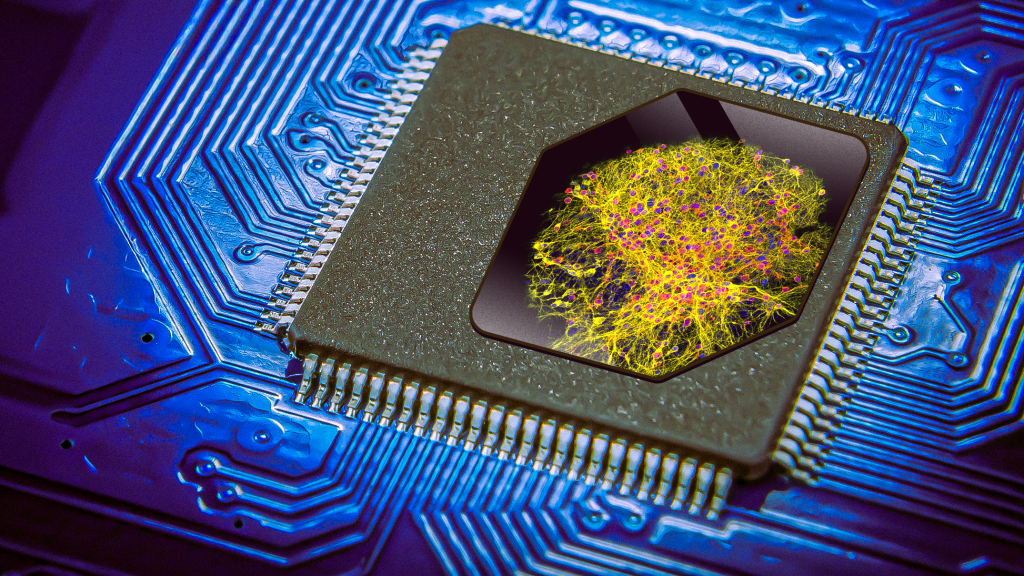
Photo credit: Timmy Loen
Australia’s Cortical Labs and Switzerland’s FinalSpark are working on tech that harnesses lab-grown brain cells to power energy-efficient AI systems.
Spotlight
Hear how Kopi Kenangan grew into a regional brand and what founders can learn from it
Quick Bytes





Stay updated on the go with our mobile app.
Get latest insights with smoother, more personalized experience through TIA mobile app.