- Premium Content It takes our newsroom weeks - if not months - to investigate and produce stories for our premium content. You can’t find them anywhere else.
 Putra Muskita · · 7 min read
Clash of the cuppas in SEA as China’s Luckin enters the scene
On November 9, Fore Coffee opened its first overseas outlet in Singapore’s Bugis Junction to much fanfare. The chain advertised some Indonesian-infused drinks like Gula Aren Latte and Pandan Oat Latte. The move came just months after Fore Coffee competitor Kopi Kenangan entered the city-state.

Delegates attended the opening of Fore Coffee’s first store in Singapore on November 9./ Photo credit: Fore Coffee
For such a tiny island, Singapore’s coffee chain market is extremely crowded. Players in the field include global giants like Starbucks (130 stores), local brands like Ya Kun Kaya and Toast Box (over 70 stores each), and specialty brands like Japan’s %Arabica (six stores).
At the Tech in Asia Conference 2023, Vico Lomar, Fore Coffee’s co-founder and CEO, called Singapore the “SCBD of Southeast Asia,” referring to Jakarta’s Sudirman Central Business District. This also highlights the city-state’s potential as a springboard for Fore Coffee’s regional expansion plans.
But the path ahead may not be entirely smooth. Fore and Kenangan will have to battle with deep-pocketed rivals, most notably China’s Luckin Coffee, which opened 24 outlets in Singapore within just several months.
In October, there was a prominent casualty in the market: Flash Coffee abruptly closed all of its 11 stores in Singapore and subsequently liquidated its operations in the country.
A caffeine clash in Southeast Asia?
In 2022, Luckin Coffee recorded its first annual profits, topping US$153.9 million on the back of US$1.9 billion in revenue.
Within a few years – and emerging from scandal and bankruptcy in May 2022 – Luckin now has more stores than Starbucks in China.
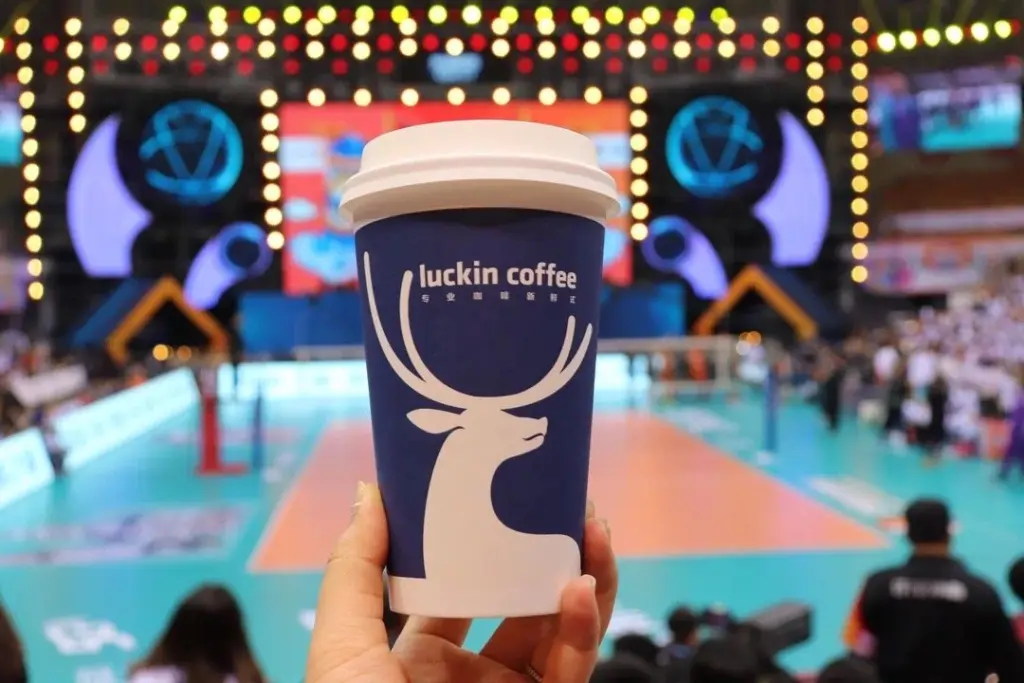
China’s Luckin Coffee has 24 outlets in Singapore / Photo credit: Luckin Coffee
But that level of ubiquity could also signal that Luckin’s growth prospects in China are peaking.
Felipe Cabrera, the Shanghai-based general manager of Ad Astra Coffee Consulting, tells Tech in Asia that the Chinese market has become saturated, and Luckin has to eventually turn to lower-tier and less developed Chinese cities for growth.
After that, “the most natural market for Chinese companies would be Southeast Asia,” he says.
Cabrera highlights that Southeast Asia has a significant ethnic Chinese population and well-developed overseas Chinese communities, also known as “huaqiao.” Additionally, the region’s young demographic has a strong affinity for bubble tea.
Redefining tech-powered coffee chains
Is the local factor enough?
Stay ahead in Asia’s tech landscape
This is premium content. Subscribe to read the full story.
Fore Coffee and Kopi Kenangan both expanded regionally this year. Can they avoid Flash Coffee’s fate while competing with Chinese giants?
We know this is not ideal. ⌛ Sign up in 20 seconds. Cancel anytime.
Our subscriber community includes professionals from these companies:





Stay updated on the go with our mobile app.
Get latest insights with smoother, more personalized experience through TIA mobile app.