The Philippines has come far as a startup ecosystem. As recent as 2019, it wasn’t hard to find articles lamenting the state of the country’s tech scene. Headlines like “What’s holding back the Philippines’ startup ecosystem?” and “No country for unicorns: why Philippine start-ups are struggling” painted a grim picture.

Photo credit: Lano Lan / Shutterstock
That has changed. Googling “the Philippines startup scene” now turns up very different results. Some platforms proclaim that the country’s “Golden Era of Startups” has arrived.
Tech in Asia is particularly excited about the market, and we have a three-part documentary about its startup scene. The country is also next on the roster of destinations for our monthly Founders’ Meetup.
Let’s take a closer look at what the Philippines has going on.
The current state of affairs
At present, the Philippines is ranked sixth among startup ecosystems in Southeast Asia and 59th globally, according to StartupBlink.
Looking at Tech in Asia data, the Philippines saw a sharp rise in funding from 2020 to 2021 from US$180 million to US$863.7 million – a record high. While the country’s startups were hit by the investment slowdown in 2022 and 2023, it appears to have made a comeback in 2024.
The Philippines has produced several startups of note, such as its two unicorns: Mynt, which operates mobile wallet GCash, and Voyager Innovations, the firm behind payments platform Maya.
It’s also home to prominent names in the Web3 space, such as Yield Guild Games and Coins.ph, which was acquired first by Gojek in 2019 and then by former Binance CFO Wei Zhou in 2022.
Opportunities abound
While the Philippines’ startup scene has typically taken a backseat in conversations around Southeast Asia’s tech ecosystems, it has a lot going for it.
Home to over 110 million people, the country has the second-largest population in the region after Indonesia and has a median age of 25.
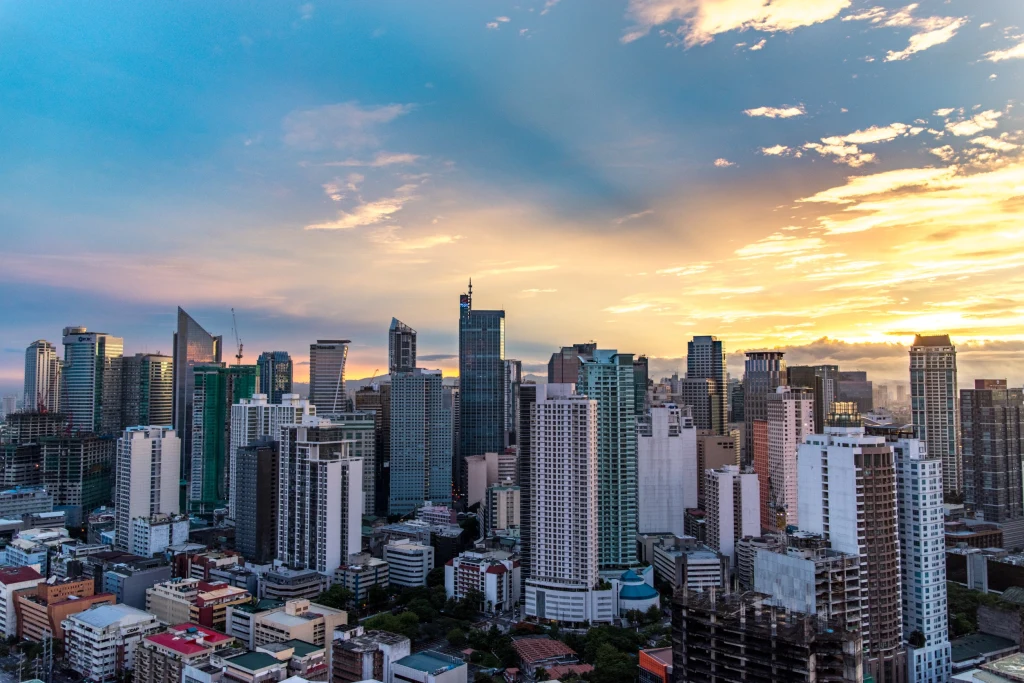
Photo credit: bugking88 / 123RF
The tremendous size of this market – with a largely young, tech-savvy, and adventurous population – presents exciting opportunities for startups to address key problems and develop innovative experiences.
Here are some verticals that we’re really excited about in the Philippines:
- Fintech: Filipinos are no strangers to fintech. The country has had mobile money offerings since the early 2000s. And in 2021, 36% of Filipino adults owned an e-money account, up from 8% in 2019. However, banking penetration in the country remains low at just 56%, and many lack access to financial services such as loans and investments, presenting a clear market opportunity for startups.
- Ecommerce: The country’s ecommerce sector was estimated to have grown by 31.3% in 2022 to reach US$9.8 billion and is expected to reach US$12 billion by 2025. Within the vertical, social commerce is seeing significant growth. Startups such as GrowSari and Kumu, which support social commerce and livestreaming, have raised significant funding in the last few years.
- Web3: The Philippines is an exciting launchpad for crypto and Web3 startups. A survey conducted by UOB found that 33% of respondents in the Philippines have invested funds into a crypto exchange, the second-highest rate in Southeast Asia after Thailand. The country is also ranked second on Chainalysis’ Global Crypto Adoption Index, and according to CoinGecko, Philippine nationals have the biggest interest in Web3 gaming globally.
Onwards and upwards
While the Philippines has a lot going for it, there are still many hurdles standing in the way of startup success. Companies have to wrangle with infrastructural challenges such as low internet penetration in rural areas as well as regulatory requirements and expensive set-up costs, among others.
Plus, the Philippines tech ecosystem is young and relatively inexperienced compared with other markets in Southeast Asia. Many founders are starting companies for the first time, and 46% of local VCs were only established in the last three years. This relative lack of knowledge, experience, and connections can pose difficulties, especially in growing and scaling businesses in the country.
Still, there’s never been a more exciting time to be a founder in the Philippines. If you’re a startup leader looking for advice and a community on this journey, join us at our upcoming Founders Meetup: Philippines!

Held in Manila on November 12, we’re bringing together founders and startup leaders to share knowledge, acquire new insights and perspectives, and connect with other folks in the community.
Seats at this exclusive event are limited, so be sure to secure your complimentary ticket before it’s too late!
We’ll see you in Manila 😉.
Stay updated on the go with our mobile app.
Get latest insights with smoother, more personalized experience through TIA mobile app.
Recommended reads
 Life’s a game, and AI agents are Animoca’s new play
 Indonesian AI startup goes global
 Forrest Li on scaling Sea, building smarter bots, and founder grit
 An AI assistant that joins sales calls and scores team skills
 Beyond the check: Why VCs need more than capital
 SGX’s CEO says it doesn’t need a unicorn to win
 SMEs want AI too, but not the kind Big Tech is selling
 Oatside’s alt-milk rise hits a profitable gear
 Alibaba’s financial health in 12 charts
 Asia’s telcos bundle AI into mobile plans. Will it pay off?





Editing by Winston Zhang and Jaclyn Tiu
(And yes, we’re serious about ethics and transparency. More information here.)