Brady Ng · · 2 min read
China’s central bank to issue $6m in digital currency in a trial in Beijing
Two hundred thousand people in China’s capital are about to receive 200 yuan, or a little over US$31, for free. On June 5, the People’s Bank of China (PBOC) will dole out 40 million yuan (US$6.2 million) through a lottery for yet another trial of China’s Digital Currency/Digital Payment (DCEP) system, which is the world’s first central bank digital currency.
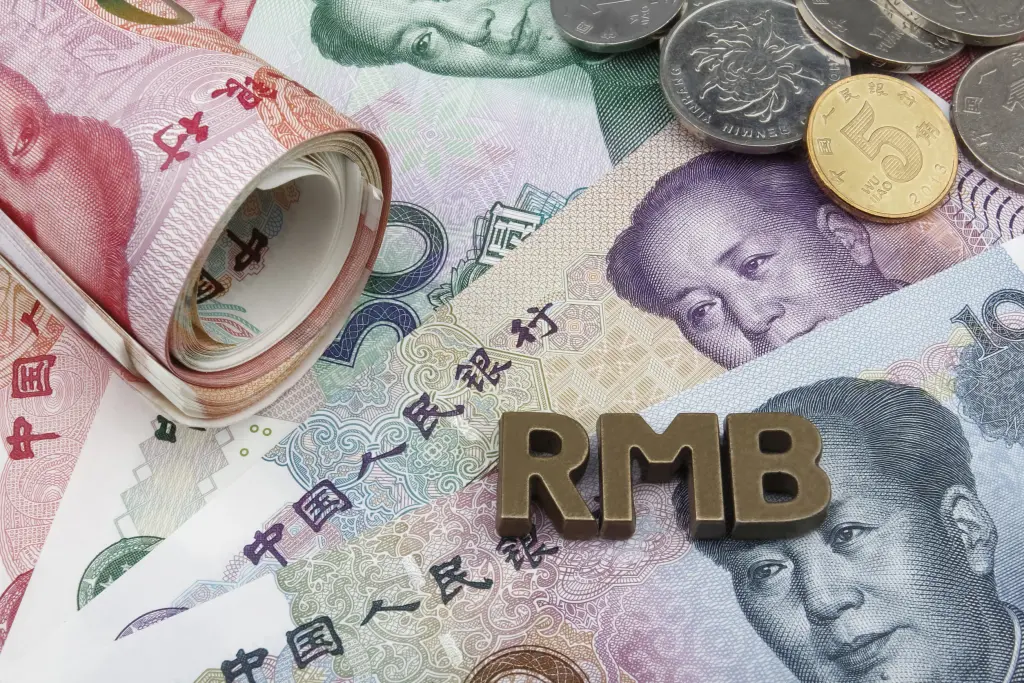
Photo credit: Ping Liang / 123RF
The digital renminbi can be used at nearly 2,000 retail locations and has the same status as legal tender. This experiment will last from June 11 to 20.
Notably, the DCEP is not a cryptocurrency. It is issued by a central bank, the PBOC, while cryptocurrencies like Bitcoin, Dogecoin, and Ethereum are decentralized.
The PBOC has been conducting trial runs across the country to gather data about the DCEP’s practical usage. Major cities like Chengdu, Shanghai, Shenzhen, Xiong’an, Suzhou, and Hangzhou have all been testing grounds. Each involved millions of dollars of free cash for citizens to make purchases within the test period. So far, there is no timeline for a nationwide rollout.
PBOC deputy governor Li Bo said in April that the central bank may allow foreign visitors to use the digital currency in the capital during the 2022 Winter Olympics. The DCEP is expected to be usable not only through e-wallets accessed via smartphones but also through wearables like watches and wristbands, or cards with embedded hardware.
The PBOC’s counterparts in Thailand and the United Arab Emirates have signed on for studies on cross-border use cases of digital currencies.
Meanwhile, Chinese financial authorities have cracked down on the use of cryptocurrencies, specifically banning financial institutions and payments companies from providing crypto-related services, even though the world’s largest bitcoin mining network exists within its borders. One reason cited by regulators is the carbon emissions generated by bitcoin mining facilities, while others referenced the demand for electricity leading to deadly accidents in illegal coal mines.
Beijing is currently the site of another exploratory venture that may attract attention during next year’s sporting events. Baidu’s autonomous vehicle unit, Apollo, is using sedans and mini-buses to ferry passengers in a limited fashion in a sparse industrial park, a service that it introduced in early May. For now, the rides only cover short distances and require pre-registration.
This article was first published on KrAsia.
*Currency converted from Chinese yuan to US dollar: US$1 = 6.39 yuan
Editing by Collin Furtado
(And yes, we’re serious about ethics and transparency. More information here.)





Stay updated on the go with our mobile app.
Get latest insights with smoother, more personalized experience through TIA mobile app.