Jack Ellis · · 2 min read
Gojek, Grab said to hold merger talks; Gojek says reports ‘not accurate’
Southeast Asia’s ride-hailing giants Gojek and Grab are holding discussions about a possible merger, The Information reported, citing sources familiar with the talks.
However, the archrivals are still far from reaching an agreement as the respective valuations and post-merger shareholdings of the two companies are a sticking point, according to the report.
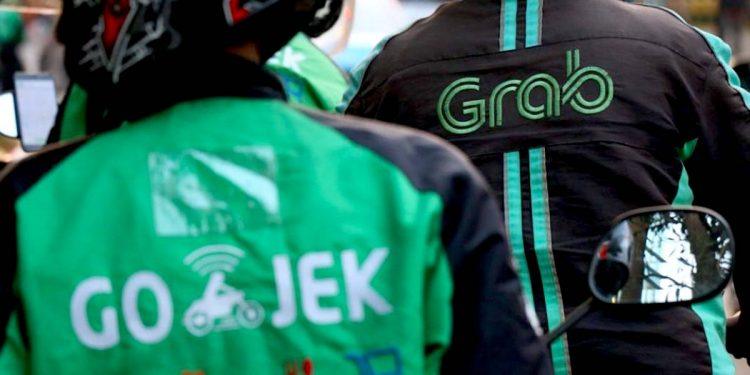
Photo credit: The Low Down
Grab has told some of its investors that Gojek expects at least a 50% stake in the combined entity’s Indonesia business for its own shareholders, the report claims. Grab, on the other hand, wants overall control of the merged company across Southeast Asia.
A Gojek spokesperson, however, has denied the report. “There are no plans for any sort of merger, and recent media reports regarding discussions of this nature are not accurate,” the representative told Tech in Asia. Grab declined to comment.
Speculation about a merger between the Southeast Asian super app contenders has picked up since the departure of Nadiem Makarim, Gojek’s co-founder and former CEO, last October.
Competition between the two companies in ride-hailing and food delivery services have been fierce, with both burning cash to provide subsidies to drivers and customer promos to encourage them to use their apps.
Last month, Tech in Asia ran the numbers to see if combining Grab and Gojek would make sense from a business perspective. Our conservative estimate was that a post-merger Grab and Gojek could make US$16.7 billion in annual revenue and hit a valuation of US$72 billion by 2025 – potentially improving the prospects for an initial public offering.
However, even if the companies were able to reach an agreement, they’re likely to face major regulatory hurdles – just as Grab did when it took over Uber’s regional operations in 2018.
See: Why a merger between Grab and Gojek makes sense
Asad Hussain, mobility analyst at PitchBook, says that a Grab-Gojek merger “could significantly accelerate both companies’ paths to profitability, creating significant value for investors.”
“[The two] have been locked in a price war as they compete for new users, which has come at the expense of margins, even as both companies face pressure from investors to show a path to profitability,” he explains.
Throw in the fact that both firms have a bevy of big-name backers behind them – from Toyota, Microsoft, and SoftBank to Mitsubishi, Google, and Temasek – and the impetus for some form of truce becomes even clearer.
Hussain thinks that a merger would be “transformative” for Southeast Asia’s ride-sharing and food delivery landscape, resulting in the world’s third-largest ride-hailing business by market valuation, after Uber and Didi Chuxing.





Stay updated on the go with our mobile app.
Get latest insights with smoother, more personalized experience through TIA mobile app.