- Insights This article was written by a TIA community member. Insights pieces undergo the same rigorous editorial process that newsroom-produced articles have.
 Alan Jiang · · 8 min read
5 things I learned launching and scaling Uber in 4 countries in SEA
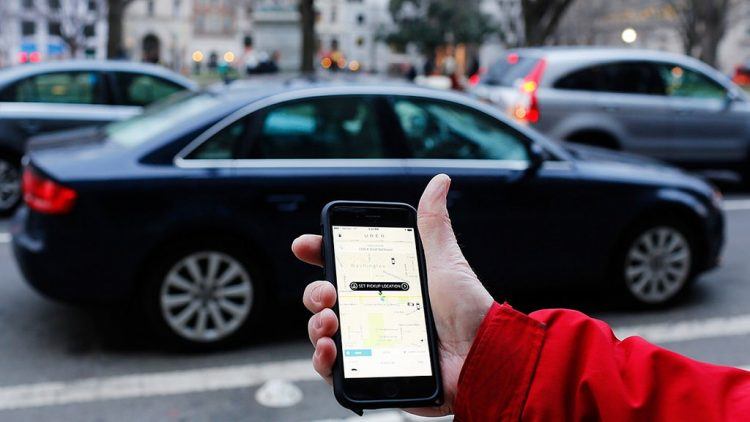
Photo credit: Mark Warner.
In December 2012, I embarked on the journey of a lifetime by joining Uber. It was one of the startups beginning to take off in the US and I wanted to learn how startups worked. I am incredibly grateful for the opportunity over the past four years to team up with and learn from some of the smartest and most talented people I know.
After two years as country launcher launching Uber across Southeast Asia and two years as a Southeast Asia GM running the Indonesia business, today marks the last day of my journey with the company. I wanted to share some of the key lessons I’ve learned to help founders on their journey.
1. Sometimes, founders do need a bit of blind faith
It’s hard to imagine a time when people thought Uber was a bad idea, but as every country launcher and early employee can tell you, back then, everybody thought the service was a bad idea in their own country. People only used it in Southeast Asia when they went overseas, and 95 percent of the people I met in every country I launched told me they thought it would fail in their home country.
Here’s a non-comprehensive list of excuses I’ve heard for why Uber wouldn’t work in Country X:
- “Everyone drives their own car.” — Malaysians
- “Nobody drives [cars].” — Vietnamese
- “Everyone just takes a taxi [Bluebird/Vinasun]. It’s already cheap, safe, and readily available so there’s no need for Uber here.” — Indonesians/Vietnamese
- “Nobody takes taxis — they drive you in circles and you might even get robbed. If people don’t even use taxis, there’s no way anybody will get into a stranger’s car!” — Malaysians
- “There’s too much traffic, nobody will wait for Uber to come.” — Indonesians
However, even after listening to all the critics, the real test of fortitude comes when you look at the metrics. We completed a mere eight trips in the first week of operations in Malaysia. This was the most dismal demand we had ever seen for a launch city, and we seriously contemplated shutting down the business . It seemed that the critics may have been right about Uber not working in Malaysia.
People have established habits and routines over the course of their lives, and habits are hard to break. If you have a revolutionary product or service, you will need to convince people why it’s better than what they have already been doing for the past 20+ years.
At the end, we decided to persevere because we had a small core of loyal riders and drivers who loved our service. It signaled that we were likely doing something right, but we had to figure out how to replicate that for everyone else—and we did.
2. Slow organic growth highlights underlying product issues
When we launched Uber in Kuala Lumpur, we had a few hundred riders already signed up (mostly people who had used it previously in the US or Singapore). However, we had to build our driver base from scratch so this was our initial focus.
Riders were pretty evenly spread across the whole city (KLCC, Bangsar, PJ, etc). We were hungry to grow our trip volume, so we hustled to onboard as many drivers as possible and encouraged them to spread around the city to improve availability for our riders. We knew availability was a key component of growing the business and we wanted to make sure all of our riders in Kuala Lumpur could see cars whenever they opened the app.
It quickly became clear that this was a losing strategy. Kuala Lumpur, as with most Southeast Asian megacities, was very different from any other city we had launched prior to 2014. It was much bigger and traffic was significantly worse than anywhere we had seen before. Even though all our riders could see cars all the time, pickup times were long, cancellations were high, and many drivers and riders were left unsatisfied. And what’s most concerning was there was almost no organic growth.
The majority of our demand came from marketing campaigns where we gave away free rides for new users. People mostly used Uber for the first free ride but rarely used it again afterwards. We could continue to crank up free rides to grow ridership but we wouldn’t really be building a real business if we followed this strategy.
We knew from the metrics that riders who had low pickup times and low driver cancel rates were more likely to order our service again. The question was: how do we give this product experience to all the riders who were scattered across a huge sprawling city? We decided to take a gamble and encourage all of our initial drivers into the KLCC area, an area of
3. ‘It always seems impossible until it’s done’ (Nelson Mandela)
4. Keep the organization fluid when you’re growing
5. Go big or go home — Southeast Asia style





Stay updated on the go with our mobile app.
Get latest insights with smoother, more personalized experience through TIA mobile app.