K Aayush Mazumdar · · 4 min read
Does very high salary = lower loyalty for startup employees?
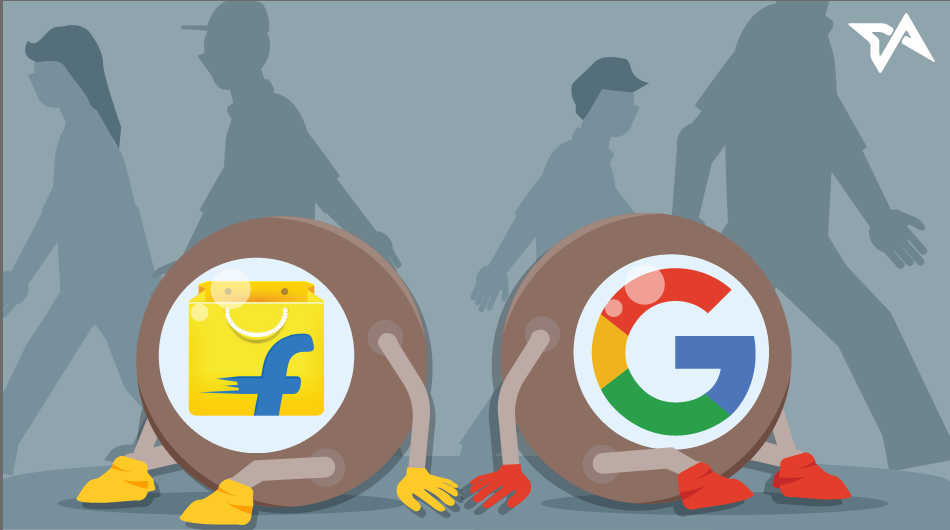
Do very high monetary benefits equal lower loyalty for startup employees? The debacle at Google’s self-driving adventure, Waymo, hints so.
An ongoing debate in the global startup ecosystem – or let’s say a renewed idea – is that too much money for employees could lead to lower loyalty for the startup that they are hired for, especially when not tied to the company’s realizable financial performance. This thought has gained traction because of Google’s self-driving car project, which is supposedly left in disarray due to a lot of their leadership leaving too soon.
The salaries and bonus payouts to Waymo’s key employees seemed to be based on project value on paper. This increased their pay by 1600 percent and did so without a significant time cliff period or legal clauses. This, many believe, has led to an across-the-board talent outflow – at a time when Waymo needed their key employees the most.
Closer to home, similar questions are starting to be asked of the top brass of Flipkart and Snapdeal.
A direct comparison would be unjust, simply because these are very early employees in entrepreneurial roles who helped build Flipkart and Snapdeal, with significantly higher risks than at extraordinary projects like Waymo. Also, the Indian media that today looks down upon these salary figures has in the past created positive hullabaloo about the very same.
This increased their pay by 1600 percent.
Nonetheless, compensation structuring at the top echelons of major Indian startups is sure to be a hotly debated topic this year, especially in the face of lower valuation and worse financial performance.
At Waymo, the outflow has been further aided by the fact that the sector is super hot right now, and therefore Waymo’s competitors have been heavily hiring. Additionally, key people have themselves turned entrepreneurs in the same field.
Anthony Levandowski left and started Otto, an autonomous trucking company, which was later bought by Uber for US$680 million. Brian Salesky, Waymo Google Car Executive, exited and founded Argo.ai, an AI startup dealing with autonomous cars, was recently funded by Ford.
Waymo’s CTO Chris Urmson also left the company and is reportedly also working on an autonomous vehicle startup of his own. Jiajun Zhu and Dave Ferguson, two senior engineers at Waymo, left at the same time as Chris to found Nuro.ai, which will also work with autonomous cars.
The payment figures that were supposed to keep the employees of this key Google moonshot project intact and loyal actually worked against the very same idea: the employees got too much money to need the job itself, and were left to either start up, or take the risk and leave for other offers for higher salaries. Google’s Alphabet CFO, Ruth Porat, has hinted at restructuring these incentives at Alphabet projects, especially at Waymo.
So the question is: should startups pay humongous amounts of cash compensation for executives or not? In reality, the west faces less of a problem simply because of the fact that the ecosystem there is more developed to be able to take such hits. A Google has way more talent pool to tide over such problems versus let’s say a Flipkart, not to mention way more robust revenue streams.
Double whammy in India?





Stay updated on the go with our mobile app.
Get latest insights with smoother, more personalized experience through TIA mobile app.