Kylee McIntyre · · 4 min read
A Trump presidency could be just what India’s startups need. Seriously.
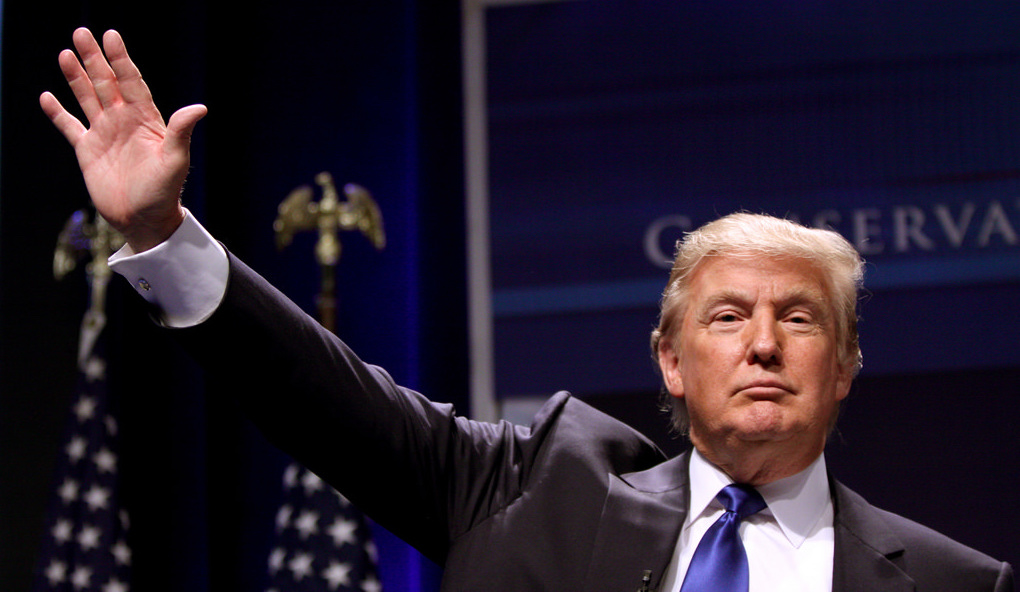
Photo Credit: Gage Skidmore.
On Tuesday, the US voted Donald Trump into office. Great. Fine. Let’s cut to the chase: What the hell does it mean for Indian startups?
The great thing about US elections is that they take place in November, while the president-elect takes office in January, leaving everyone to ponder that question for a glorious two months. Indian startups are no exception, but the consensus seems to be “so far, so good.”
“As far as India is concerned, I think a Trump Presidency, on the balance, may well play out to our advantage,” said Indian Angel Network co-founder Saurabh Srivastava in a statement.
We are not on the ‘target list.’
“[Donald Trump’s] views on India are not unfavorable and we are not on the ‘target list.’ He may well tilt the balance vis a vis China and Pakistan,” he continued.
Trump’s plan for his first 100 days in office, traditionally considered a tone-setting period for a presidency, include the US officially labeling China a “currency manipulator” and, in general, attempting to push American business back onto US soil, which will make outsourced labor more difficult. But unlike China and Mexico, India does not get a call-out in the plan, which seems to be to the country’s benefit.
Of course, campaign promises, particularly those concerning the first 100 days, are tentative at best. US presidents tend to make a hard-stuck effort to keep two-thirds of their campaign promises (give or take study-specific definitions of “promises” and “keep”). Those promises are notoriously hard to keep and have lasting effects on presidents in office.
See: Thanks to Donald Trump, China just won the global green technology sector
Trump’s brain drain
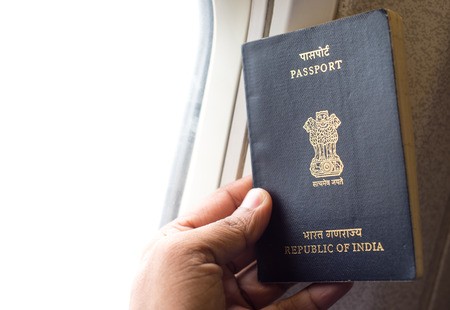
Photo credit: sahilu11 / 123RF.
What doesn’t get a mention on the list but has gotten a mention on the campaign trail is non-immigration visas – namely, the US H-1B visa that allows US employers to temporarily employ workers from overseas. Trends suggest that they’ll become increasingly hard to get, which is ticking off Silicon Valley (where, by the way, 44 percent of startups have an immigrant founder). In the meantime, startups in India are rubbing their hands in glee.
“Trump’s win would catalyze into India’s brain gain if US adopts more stringent immigration policies. These are, indeed, happy times for India!” said Mayank Bhangadia, Roposo co-founder and CEO, in a statement.
Tougher immigration policies mean that it’s going to be even harder for Indian techies to find work in the country, which may send more of them home after a US education (Trump vaguely supports international students in the US).
The grain of salt





Stay updated on the go with our mobile app.
Get latest insights with smoother, more personalized experience through TIA mobile app.