A new theory appears to be emerging in China with regards to how it should cope with the potential challenges from Facebook’s blockchain digital currency Libra, with suggestions it should shift towards working with other nations to regulate the sector rather than fast-track its own alternative medium of exchange.
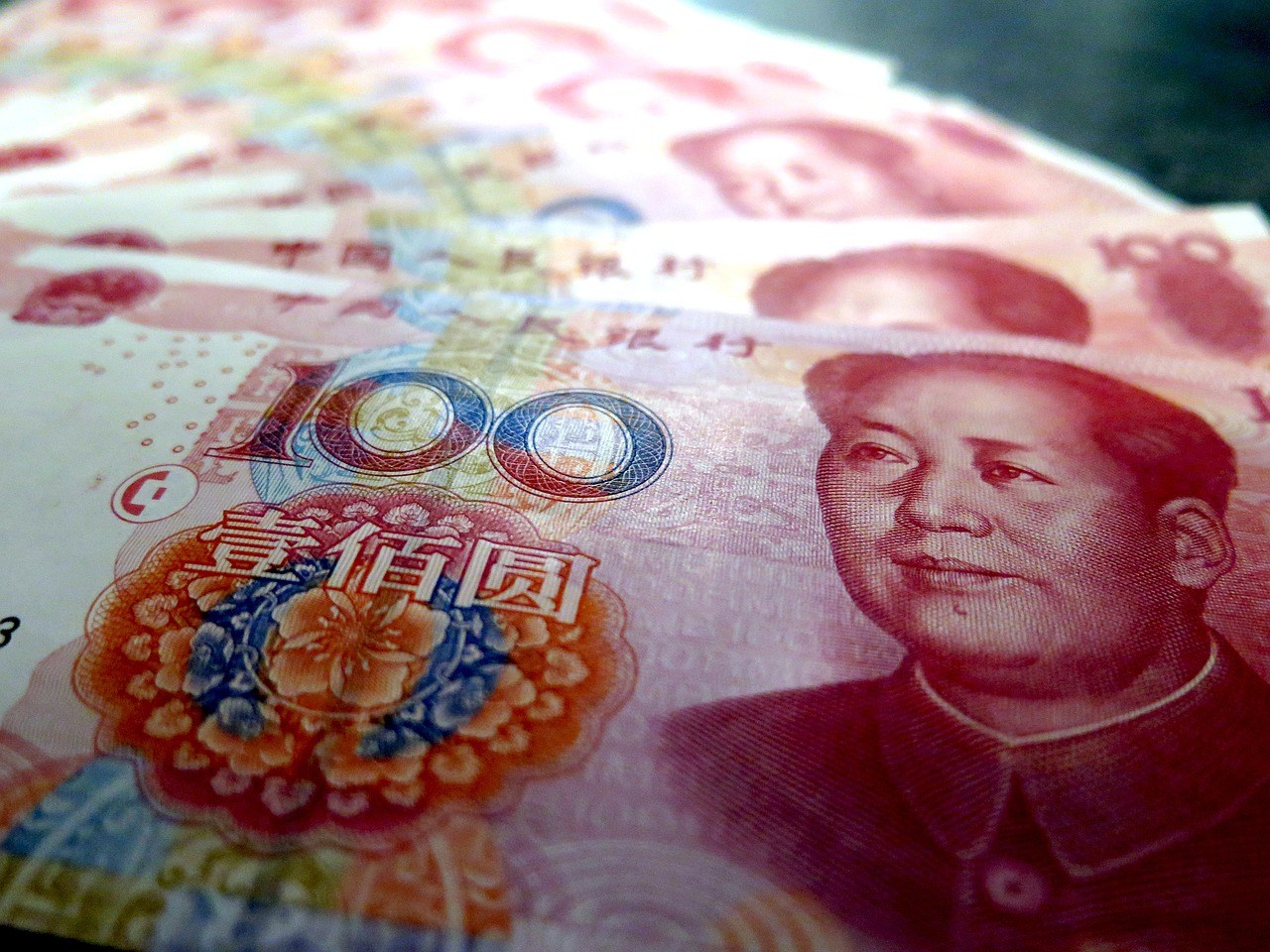
Photo credit: Pixabay
Debate continues over whether and how China’s central banks should issue its own digital currency, with concerns mounting that the popularity of Libra may further enhance the dominant role of the US dollar in the digital era.
China’s yuan is not expected to be included in the underlying assets of Libra, while the People’s Bank of China has cracked down on cryptocurrencies such as bitcoin, and has also seemingly made progress in developing a sovereign digital currency.
But Zhu Min, a former deputy governor at the People’s Bank of China, has urged China to further consider its response to Libra, which is backed by a group of hard currency assets and is expected to be launched this summer.
“I think it’s critically important to join the discussions and take part in coordinated global regulation of Libra,” Zhu was quoted as saying by Sina.com.
Zhu added that the central bank’s digital currency research scheme, officially known as Digital Currency Electronic Payment, is a “natural process,” suggesting that there is no schedule for the launch of China’s sovereign digital currency.
And Zhu is not alone in calling for a global regulatory framework covering digital currency that could involve China.
Ba Shusong, a former researcher at China’s State Council Development Research Center, who currently serves as chief China economist for the Hong Kong stock exchange, said that a framework overseen by a multilateral institution is needed to monitor digital currencies such as Libra as they have the potential to reshape the global financial system and challenge existing national monetary authorities.
Many issues surround digital currencies because their usage is not limited to any single country, Ba told a seminar at the Asian Financial Forum in Hong Kong in January.
Ba warned that with different countries at various stages of their economic and policy cycles, the rise of digital currencies could create tensions among central banks and regulators as digital currencies can make it difficult for central banks to manage their foreign exchange controls.
“You would need to first improve the regulatory framework for [financial] technology,” Ba added. “There is a need for global cooperation for an alternative regulatory framework.”
Ba said that Facebook’s Libra raised questions about how a project of its size should be regulated to guard against its potential use for illicit means including money laundering.
This week, Vodafone became the latest company to leave Facebook’s digital currency project after backers including PayPal and Mastercard also left The Libra Association amid regulatory scrutiny from around the world.





Stay updated on the go with our mobile app.
Get latest insights with smoother, more personalized experience through TIA mobile app.