Eva Xiao · · 6 min read
After Facebook and Google, Chinese tech companies are feeling the heat from censors
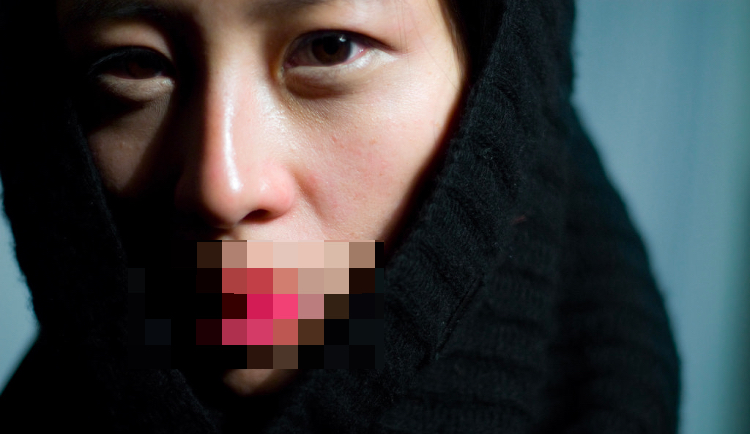
Image credit: Craig Cloutier. Modified by Tech in Asia.
In China, technology is often treated as a relatively apolitical subject. Tech reporters are less likely to receive notices from the government about their work. Most tech entrepreneurs don’t have to deal with politics until they reach a certain scale – at which point the opening of a government relations department is inevitable.
In recent years however, the tech industry has increasingly found itself under the crosshairs of Chinese censors. It’s not just foreign firms like Google or Facebook either – homegrown tech companies have to play by Beijing’s rules, which are widening in scope as part of President Xi Jinping’s bid for a “clean and healthy” cyberspace. Continued crackdowns on virtual private networks, for example, have an adverse affect on software developers, many of whom regularly struggle against China’s Great Firewall – the catch-all term for the country’s online censorship apparatus.
See: Death by a thousand cuts: developing software behind the Great Firewall
The influence of tech companies and the content they host is also growing, hence the push for more oversight. Online streaming platforms and WeChat official accounts have to take care to avoid celebrity gossip, homosexuality, and other political landmines these days, lest they get shut down.
Chinese companies that deal with both overseas and domestic users have an even more complex task – censoring along different user segments. Tencent is doing that with increasing sophistication for WeChat. Chinese users of the popular social messaging app continue to have content censored, even after leaving the country on vacation.
Here are three tech sectors that have been squeezed by government restrictions just within the past year:
Gaming: tightening regulations
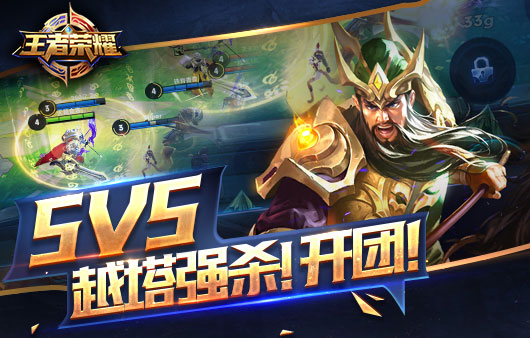
Tencent’s Honor of Kings was accused of distorting history and fueling addiction among young players by state-owned media People’s Daily. Image credit: Tencent.
China’s gaming industry is no stranger to restrictions on content. Certain graphics in international games like World of Warcraft and Defense of the Ancients can look very different – and a lot less scary – once ported into China.
Those restrictions got even tighter about a year ago. China’s State Administration of Press, Publication, Radio, Film, and Television (SAPPRFT) announced rules requiring all mobile game developers to submit their games for pre-approval at least 20 days before launching.
All independent game developers and small enterprises will be driven out of the market.
Soon after the regulations were implemented, criticism from the mobile gaming sector began pouring in. Launch dates were delayed and some games were reportedly rejected for using English words, such as “mission start.” One mobile game developer even sued the SAPPRFT, stating in an interview with Sixth Tone that “with these new regulations, all independent game developers and small enterprises will be driven out of the market, with no glimmer of hope for survival.”
For large gaming firms like Tencent and Netease however, it’s unclear what effect SAPPRFT’s vetting policy has had on business. Not that large players haven’t had their wrists slapped by the government before: Earlier this month, Tencent’s popular mobile game Honor of Kings was called “a poison” by state-owned media outlet People’s Daily, which criticized the game for fictionalizing history and fueling addiction among young players.
Live streaming: increased scrutiny
Cloud storage: crackdown on illegal content





Stay updated on the go with our mobile app.
Get latest insights with smoother, more personalized experience through TIA mobile app.