 Rita Liao · · 6 min read
China hits roadblocks as it spends billions to help farmers sell online
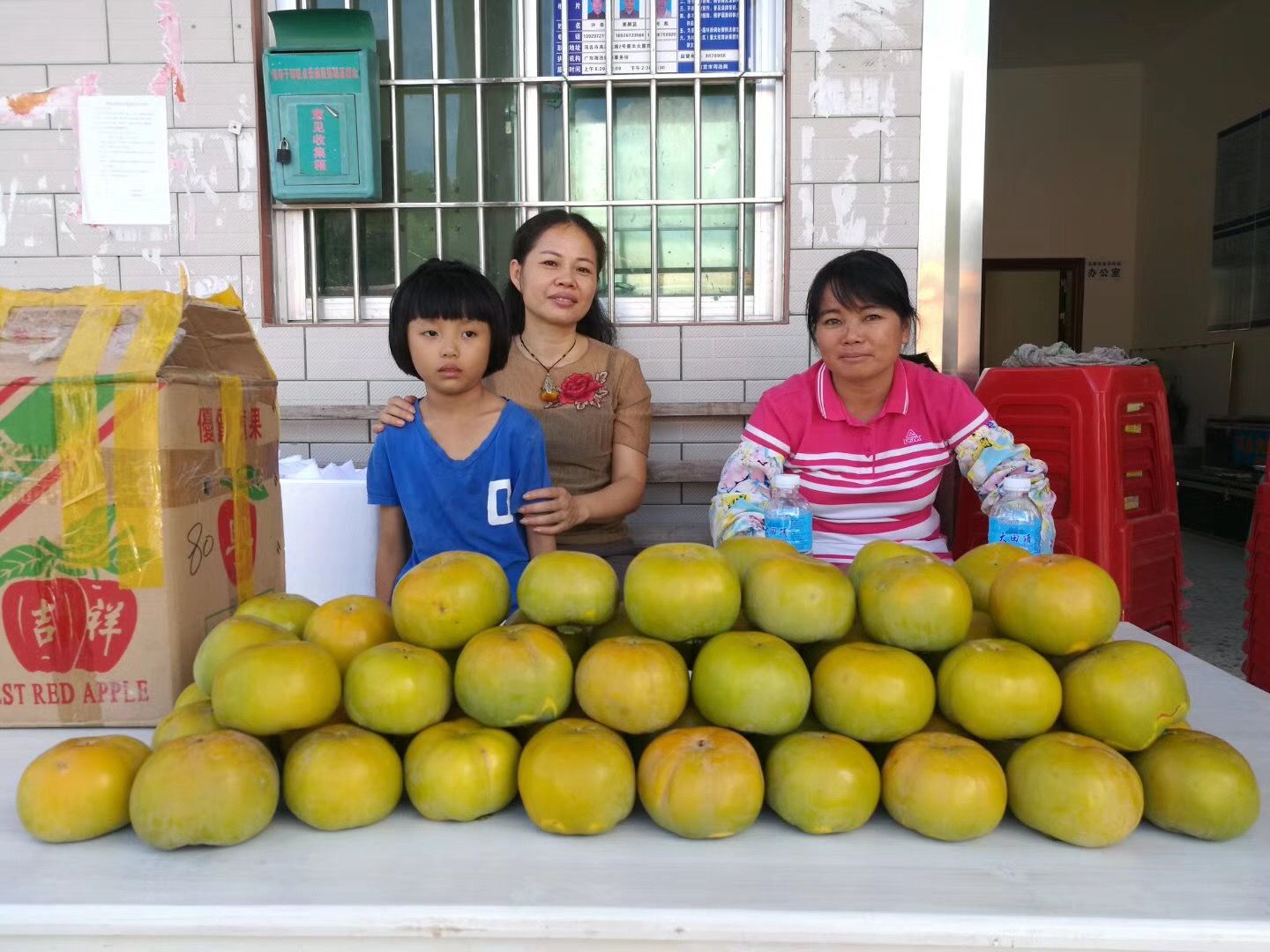
A rural family in southwest China pose for a photo with home-grown persimmons sold online and about to get shipped. Photo credit: Tech in Asia
Last summer, 27-year-old Huang Dehuai quit his US$1,600-a-month job selling fertilizers across China and moved back to his hometown of Beisuo. There, he earns US$300 as a public servant for the mountain-ringed hamlet in southwestern Guangdong province.
“Part of my job is helping villagers sell their persimmons online,” says Huang with pride. “They know little about the internet, not to mention ecommerce.”
The main lure for Huang is a dream to lift his hometown out of poverty. Like most of Beisuo’s villagers, Huang’s family gets by growing crunchy persimmons. Nothing inspires rural entrepreneurs as much as the rags-to-riches example of Tongyu. Once a sleepy county in northeast China, Tongyu took off by selling sunflower seeds, beans, and grains harvested from its rich soil online.
The idea of invigorating impoverished regions through ecommerce has been on the government’s agenda in recent years. Rural income is growing but still far from reaching urban levels. In 2017, urban dwellers earn almost three times more than their rural counterparts. 30 million rural Chinese – many of whom are farmers – still live in poverty. Policymakers believe ecommerce can help them to sell more produce and boost income levels. This national scheme is making progress, but challenges loom.
Public-private sector effort
In 2016, the State Council of China officially made rural ecommerce a national strategy in its anti-poverty drive. Billions of yuan have gone to building roads, logistics networks, and broadband infrastructure in insular regions. By 2020, China aims to equip 50 percent of its poor villages with ecommerce capabilities.
Private enterprises are chipping in. By 2016, Alibaba had stationed Rural Taobao service centers in 22,000 villages, according to the the Ministry of Commerce’s annual report that year. These brick-and-mortar storefronts are loaded with computers and trained staff to help farmers open Taobao shops and process online orders. The tech giant’s archrival, JD, had also set up shop in over 1,700 counties or administrative regions that overlook villages, says the report.
Online sales of rural produce spiked as a result of such efforts. From 2013 to 2015, the transactions more than tripled to US$23.6 billion, based on data from the Ministry of Agriculture.
“The government and private businesses have done a lot to promote rural ecommerce, but more needs to be done,” argues Mo Wenjian, an entrepreneur widely credited with Tongyu’s makeover. “The shortage of local talent, the short-sightedness of local officials, and the private interests of ecommerce businesses are getting in the way in many villages and counties.”
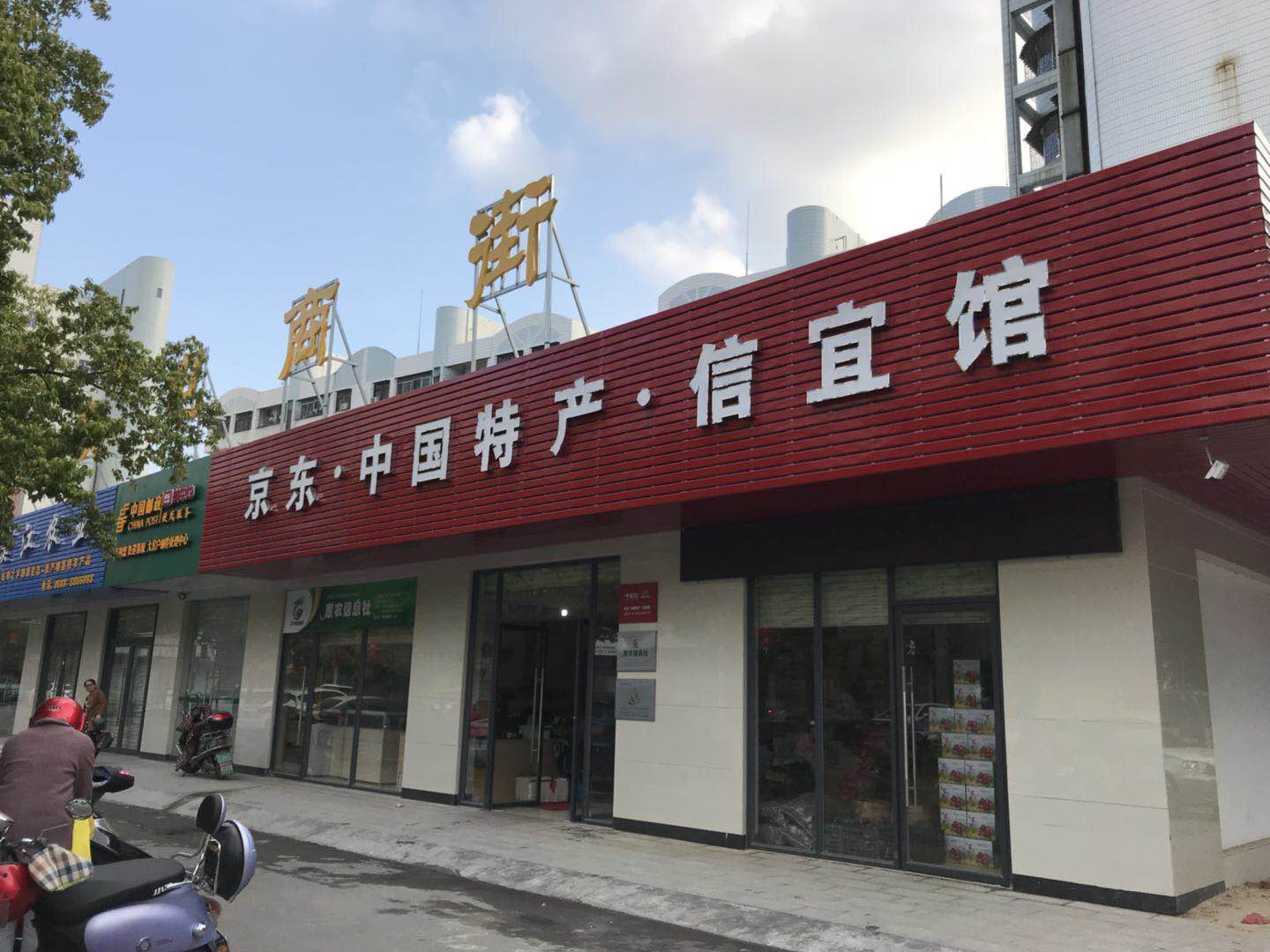
A brick-and-mortar JD storefront in a Guangdong county to help farmers sell their products. Image credit: Tech in Asia
The talent gap
Mornings in Beisuo are generally quiet, the silence interrupted by the occasional rustling sounds from persimmon trees. Most villagers of Huang’s age have decamped to urban regions for higher wages, like many other rural youth across the country. Between 2011 and 2016, the number of migrants in urban areas grew by 11.4 percent to 281 million.
What’s holding rural ecommerce back, the Chinese government believes, is the absence of local talent like Huang. “Constrained by circumstances such as [low] salaries, it’s particularly difficult to train, attract, and retain ecommerce talent in rural areas,” contends the MoC report.
While the government foots the bill for infrastructure like the internet and logistics, and online retailers offer a channel to sell, many farmers lack ecommerce know-how.
The limits of online marketplaces





Stay updated on the go with our mobile app.
Get latest insights with smoother, more personalized experience through TIA mobile app.








📅 Upcoming Events
22 October 2026
Payoneer x CSPN Summit 2026