IN FOCUS
In today’s newsletter, we look at:
- The upcoming October launch for two Malaysian digibanks
- The impact of Paytm getting the nod for a US$5.9 million investment in its payments arm
Welcome to The Top Up! Delivered every fortnight via email and through the Tech in Asia website, this free newsletter breaks down the biggest stories and trends in fintech. Get it in your email inbox by registering here.
Hello,
When was the last time you visited a bank?
My answer? I don’t remember.
The rise of the internet followed by the fintech boom has literally brought banking to our fingertips. In India, the fintech ecosystem has advanced so much that I no longer need to carry a physical wallet.
With everything from shopping to traveling now digital, the development of the fintech ecosystem has transformed my daily life.
Not far from India, digital banks in Malaysia are transforming the banking ecosystem as well. Following the granting of licenses two years ago, three digital banks are already operational in Malaysia, namely GXBank, Boost, and Aeon.
Meanwhile, two others – the KAF consortium and the YTL-Sea bank – are still working toward their launches.
In the Big Story this week, my colleague Emmanuel reports that the two banks are aiming to launch in October after facing delays. The entry of new digital banks is likely to intensify competition for deposits, which could put pressure on the net interest margins of traditional banks.
— Samreen
THE BIG STORY
After setbacks, Malaysia’s 2 remaining digibanks eye October launch: sources

Image credit: Timmy Loen
Both the KAF consortium and YTL-Sea are still working to meet the central bank’s requirements beyond the April 2024 deadline.
THE HOT TAKE
Paytm turns a page
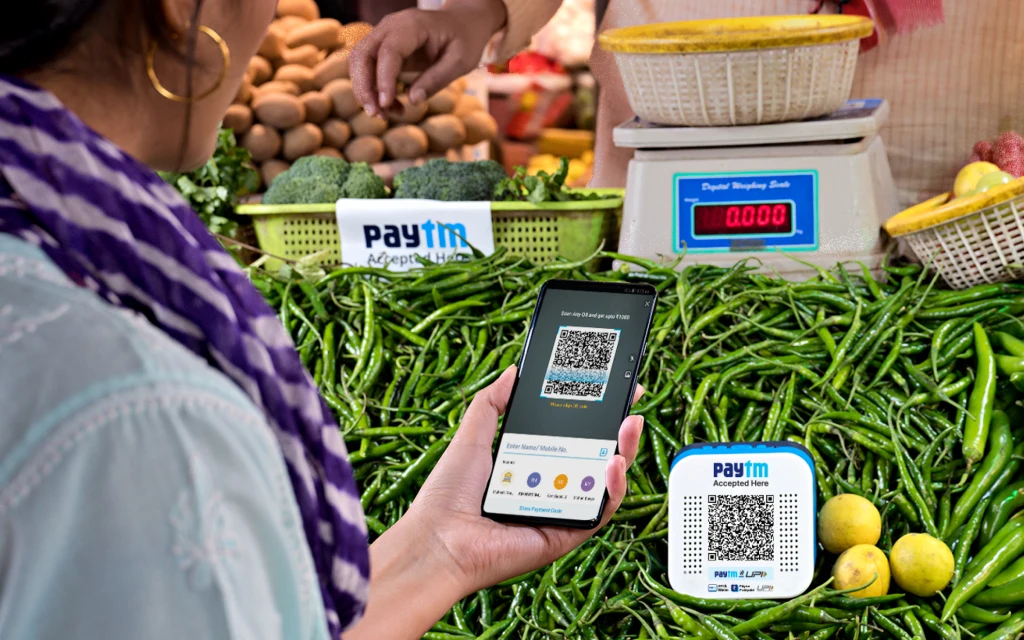
Photo credit: Paytm
Here’s what happened:
- India’s government has approved a US$5.9 million investment into Paytm Payment Services, a subsidiary of fintech major Paytm.
- The approval was in limbo for several months due to Paytm’s investment link to China, according to Reuters. As of February, Chinese payments major Ant Financial held 9.89% stake in One 97 Communications, the parent firm of Paytm.
- Following the news of the investment approval, Paytm’s shares rose by 10%.
Here’s our take:
The approval of the investment into Paytm Payment Services provides a fresh boost for Paytm, which has been dealing with regulatory issues led by India’s central bank.
It also signals the Indian government’s keen interest in the country’s fintech industry, which is projected to grow to US$420 billion by 2029.
Paytm’s payment services arm accounted for 60% of its total revenue in the first quarter of its 2025 financial year (the period ending June 2024). The company’s total revenue for the quarter decreased by 36% year on year to US$179 million, while its net loss expanded by more than 135% over the same period, reaching US$100 million.
The firm’s financials have been strained by the ban on its affiliate, Paytm Payments Bank, in February. Paytm’s shares crashed 20% following the ban.
The affiliate bank later received an inquiry from India’s Enforcement Directorate, which investigates economic crimes and financial fraud. As a result, Paytm has terminated intercompany agreements with the bank.
Meanwhile, Paytm incorporated Paytm Payment Services to secure a payments aggregator license (PA license), which acts as a bridge between online merchants and banks, facilitating the processing of digital payments.
Until last year, payment aggregators were not regulated by the Reserve Bank of India (RBI), the country’s central bank. But as the country’s fintech ecosystem has flourished, the RBI has stepped in with new guidelines.
While several competitors have already received the PA license – including Google Pay, Amazon Pay, and RazorPay – Paytm faced a setback, as the RBI instructed it to resubmit its application to ensure compliance with the rules.
Following the investment approval, a government official reportedly stated that Paytm can now seek the PA license from the RBI. The central bank is expected to further evaluate the application.
The approval will be vital for expanding Paytm’s operations, and it also serves as a sign of trust from the RBI. These are certainly promising developments for Paytm, which has been navigating regulatory ripples since early this year.
That’s it for this edition – we hope you liked it! Do also check out previous issues of the newsletter here.
See you next time!
Editing by Simon Huang and Lorenzo Kyle Subido
(And yes, we’re serious about ethics and transparency. More information here.)