 Renhao Wong · · 5 min read
Meet the company that’s helping businesses work smarter in the age of cloud computing

Application performance monitoring (APM) tools are not a new concept, having been around for decades to help software teams identify errors and inefficiencies in enterprise applications and digital services. Essentially, this involves sifting through tomes of data and aggregating it to determine the health of a system.
The APM landscape, however, has shifted significantly in the past decade. In 2017, just 5% of companies relied on them, a number that has since grown fourfold. And with the rise of cloud computing adoption, organizations no longer run monolithic applications. Instead, they use complex systems of microservices across multiple dynamic cloud environments that work with each other to fulfill a larger objective.
But with this change comes new challenges. For instance, how can fast-moving businesses keep up with their evolving cloud environments while maintaining full visibility over the bigger picture?
Old strategies for new environments
“The future of monitoring is not monitoring, it’s intelligence and automation,” says Rafi Kanatasho, chief technology officer and vice president of solution sales in Asia Pacific for Dynatrace.
He points out that development, security, and operations (DevSecOps)
teams often spend their hours endlessly monitoring data upon data across multiple dashboards. This is a problem that will only continue to grow as rising internet usage across Southeast Asia means an increase in the variety, volume, and velocity of available data, which is spread across end-user devices, applications, and multiple networks.
The greatest inefficiency here comes from having to go over all of the key data presented in order to identify problems. Instead, Katanasho says that the right approach is for teams to be alerted when data reveals issues that need fixing, combined with surfacing the appropriate solutions.
Existing approaches to monitoring and observability are often built by stacking machine learning and dashboards on top of islands of data. It’s a tired method that Katanasho calls “sticky taping,” and it creates two major problems.
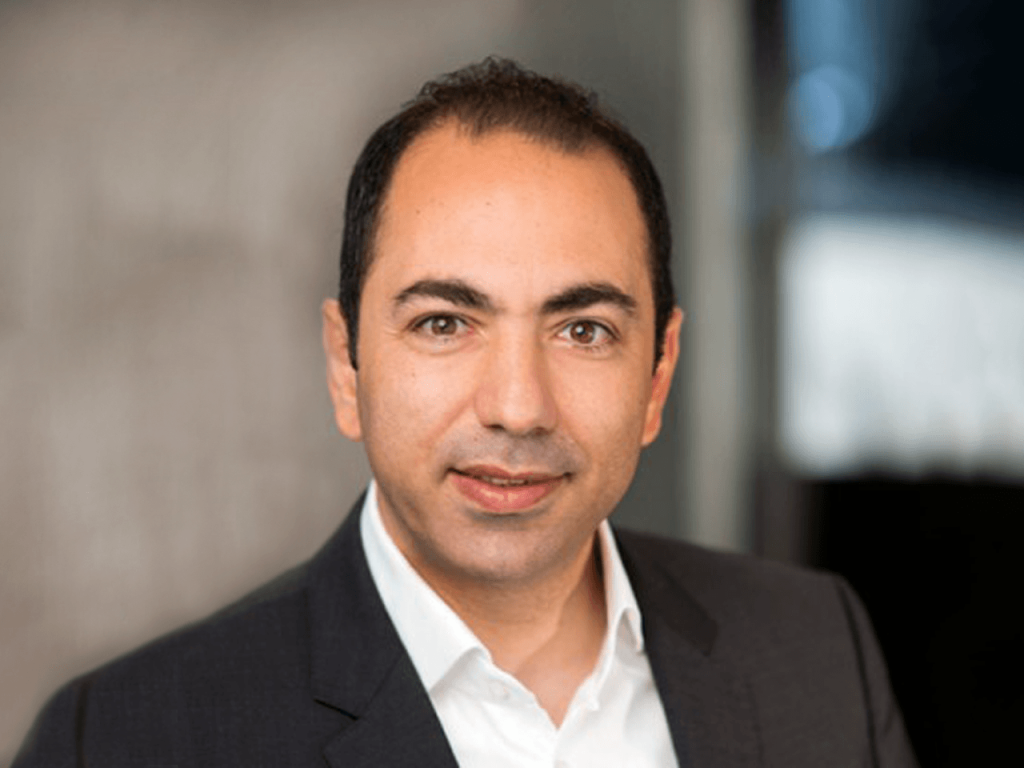
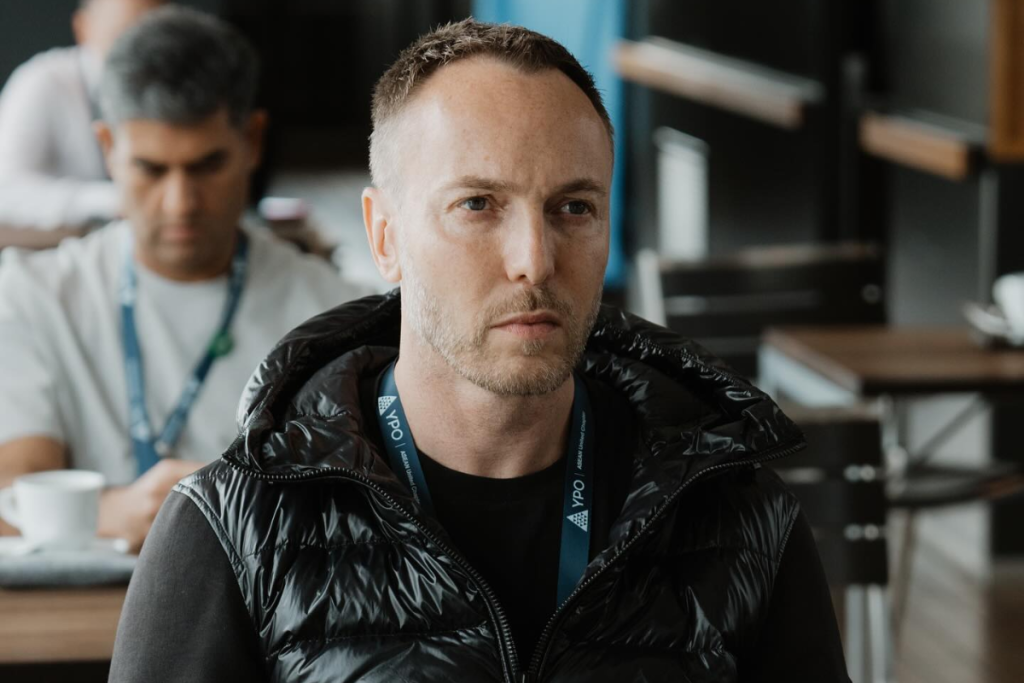
Rafi Kanatasho, chief technology officer and vice president of solution sales in Asia Pacific for Dynatrace / Photo credit: Dynatrace
“It doesn’t work because what we’re dealing with is a real-time problem where minutes matter. A business can’t afford to wait two hours – let alone two days or two weeks – to evaluate whether its system is broken or not,” Katanasho explains.
Given the time it currently takes to get to the root of issues and solve them, Katanasho projects that millions of customers have been affected. This is exacerbated by the fact that today’s systems are changing exponentially faster than those of previous generations. Frequent updates to component microservices are morphing the greater system every day, if not every hour. This creates more opportunities for failure that need to be identified and circumvented, if not remedied, quickly.
And while the world of operations can function suitably well with up to 80% accuracy, Katanasho says that real-time digital operations ideally need more than 99% accuracy. This is recommended so that any automations put in place downstream can function in a reliable manner. He argues that without this level of accuracy, users will not trust the system, leading them to go back to their old ways rather than finding solutions to improve and move forward.
“A lot of vendors out there are basically using approaches from 10 years ago but with a new user interface, which is not going to solve the fundamental problem of looking after important data,” the Dynatrace executive points out.
He stresses that observability platforms today need to look beyond the input of data. They should help teams to deliver digital experiences faster, with superior quality and more secure innovation, and they should do so efficiently through automation.
Filling these gaps
The Dynatrace platform, which Katanasho likens to the human body’s central nervous system, aims to fill these gaps in a manner unlike its competitors.
He illustrates this by using an ecommerce scenario, where a failed transaction occurs after a lengthy process of product selection and customization. Once Dynatrace detects this failure, it can take automated steps to mitigate customer frustration or drop-off rates with business recovery processes, such as an automatically generated apology email or a discount voucher.
Rich responses like this are the work of Dynatrace’s AI engine, Davis, which feeds into the company’s goal of intelligent and automated observability by assessing incoming data to produce immediate solutions.
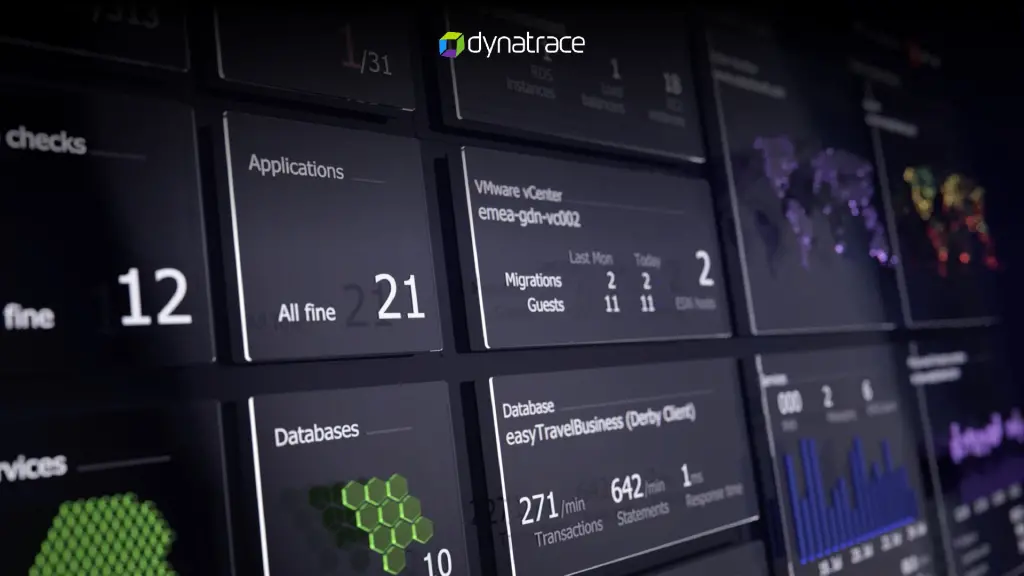
Photo credit: Dynatrace
Because its full-stack solution is built this way, the company says that it can help businesses slash inefficiencies in application development and monitoring – all while examining their data on a more granular level. DevOps teams are then able to better understand and troubleshoot issues that arise, while lead times to production are drastically reduced by 20x, with downtime completely eliminated. This translates to significant money saved: it’s estimated that large corporations lose some $686,000 per hour of downtime. Such occurrences typically take place during peak periods like Black Friday and Cyber Monday sales for ecommerce businesses.
“Our philosophy lies in an AI-centric approach to observability with automation,” says Katanasho. The time saved through automation would allow teams to focus on innovation and align their business with their customers’ needs, he adds.
A fundamental shift in perspective
Dynatrance’s approach is built on its backstory. The company was a leading APM tool from as early as 2011, a fact backed by its long-held position in the Gartner Magic Quadrant. But with the wave of cloud microservices quickly coming up, Dynatrace made the bold decision to rebuild its platform from scratch to fully support these new technologies. Katanasho recalls that the company ruled out simply patching its existing software, knowing that it would not scale or fully fit cloud environments.
“We are an engineering company at heart, so we like to do things the right way,” he explains. “We had to build it right – with the highest scale, security, and intelligence baked into it.”
But despite showing and telling what Dynatrace can do, changing mindsets to accept a complete overhaul in a cornerstone of an organization’s setup can be tough.
When going to market, the company employs the land-then-expand strategy. Katanasho often urges customers to experience the solution for themselves, usually in a small area that they are looking to transform.
“Because we built [the platform] with automation and intelligence, it’s easy to get started,” he says. “If you need help, of course we can help you. But any salesperson can tell you anything, so don’t take my word for it – try it for yourself.”
This invitation makes it easier for businesses to give Dynatrace’s solution a chance, rather than reckon with the prospect of having to overhaul their entire system at once.
Katanasho also notes that teams become happier when they get more productive by using Dynatrace. The knowledge that they won’t have to deal with issues that come with legacy software structures, such as being woken up at 2 a.m. to deal with critical errors, is a plus factor, and it can help companies retain talent.
“Ultimately, customers want a high level of automation,” Katanasho concludes. “Where we can help them automate aspects of their businesses and business processes – that’s where I think this market is heading.”
Dynatrace is a software intelligence company that uses AI to monitor and optimize application performance and development, IT infrastructure, and user experience for businesses and government agencies globally.
Enjoy a complimentary 15-day trial of the Dynatrace platform by signing up here.
This content was produced by Tech in Asia Studios, which connects brands with Asia’s tech community. Learn more about partnering with Tech in Asia Studios.
Stay updated on the go with our mobile app.
Get latest insights with smoother, more personalized experience through TIA mobile app.
Recommended reads
 Inside OpenAI’s public-first bet on medical AI
 TiDB is engineering the infrastructure for AI’s agentic future
 Nvidia CEO urges rethink of corporate structure
 A middleman model makes free patient tracking possible
 How AI agents will be the new software buyers
 Freeze headcount until AI becomes the true production line
 This startup helps chipmakers stop repeating the same mistakes
 Why Google moved fast on AI in Search but held back on chat
 How OpenAI is betting on one powerful “brain” over many tools
 Asia’s AI divide: Creators vs. experimenters





Editing by Rebecca Liew, Nathaniel Fetalvero, and Eileen C. Ang
(And yes, we’re serious about ethics and transparency. More information here.)




📅 Upcoming Events
22 October 2026
Payoneer x CSPN Summit 2026