- Premium Content It takes our newsroom weeks - if not months - to investigate and produce stories for our premium content. You can’t find them anywhere else.
 Samreen Ahmad · · 5 min read
Quick commerce is losing money, but investors keep coming
Groceries, yes. Everything else? Not so fast.
Super quick delivery of food and daily essentials is now woven into the daily lives of India’s middle class, and one that investors remain happy to fund despite years of losses.

Image credit: Ulla
But clothes and other items people like to browse for – and frequently return – are proving a harder sell. This trend exposes the limits of quick commerce’s march across the country’s retail landscape.
For the latest reckoning in the sector, look at Zepto. The company was worth US$7 billion six months ago. Last month, it paused its IPO plans and instead went back to investors at a valuation of US$4.5 billion after some domestic mutual funds had reportedly marked it as low as US$3 billion.
The markdown came despite the company’s revenue nearly doubling to US$2.3 billion in FY2026. The problem? Losses were still piling up.
Some might expect numbers like these to unsettle investors. But the money flows, and expansion plans have continued apace.
Quick pharma startup Plazza just raised US$15 million in funding. In June, Peak XV Partners led a US$7.5 million round in BazaarNow, a startup founded by former Zepto executives that is taking quick commerce into India’s tier-2 and tier-3 cities.
Amazon is also aggressively pursuing the sector, expanding its network of dark stores – compact warehouses in urban areas that make ultra-fast delivery possible – from 15 to 300 cities. This was in response to sector-leader Blinkit “eating into its active subscribers’ base,” says an Amazon employee who declined to give their name while discussing business conditions.
From novelty to retail infra
In less than five years, grocery deliveries have gone from a novelty to a minimum expectation for Indians in urban areas. The model has largely failed elsewhere around the world, but it has thrived in the country, propped up by its dense cities and abundant supply of cheap labor.
“Consumers didn’t know that they needed it, but now they cannot not have it,” says an executive at a listed FMCG firm who requested anonymity.
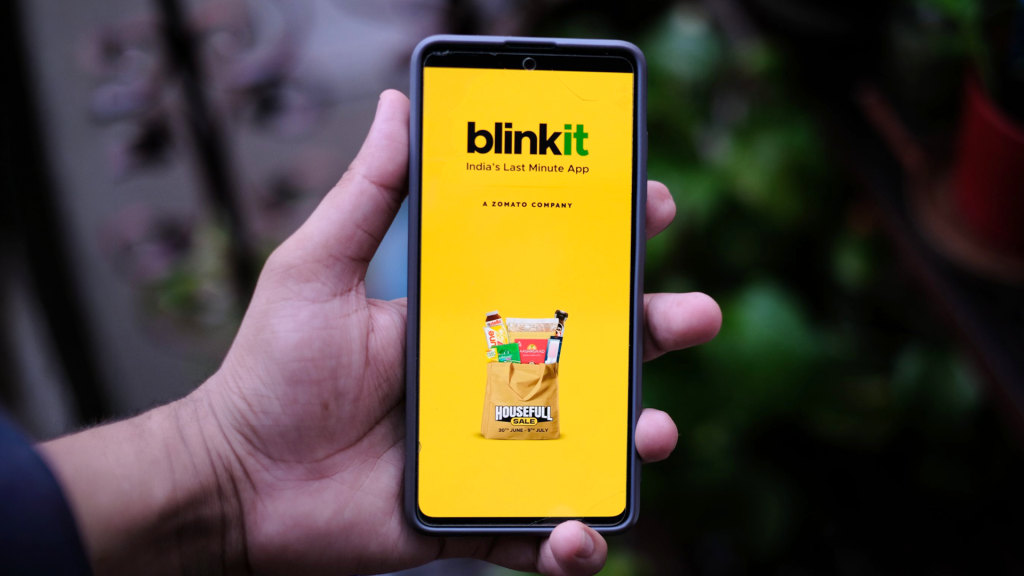
Photo credit: Shutterstock/ avi_Sharma1030
The executive saw this play out when Blinkit entered Goa, a market with little history of quick commerce. The company expected to have to create the habit from scratch. Instead, it found that many customers had already developed it elsewhere.
Retail channel
Speed isn’t everything
Stay ahead in Asia’s tech landscape
This is premium content. Subscribe to read the full story.
Backers see beyond delivery: Quick commerce is building retail infrastructure, creating market value, and a chance to own the next big platform.
We know this is not ideal. ⌛ Sign up in 20 seconds. Cancel anytime.
Our subscriber community includes professionals from these companies:





Stay updated on the go with our mobile app.
Get latest insights with smoother, more personalized experience through TIA mobile app.












📅 Upcoming Events
22 October 2026
Payoneer x CSPN Summit 2026