 Stuart Lansdale · · 5 min read
A founder of a tech startup on remote working in Nepal
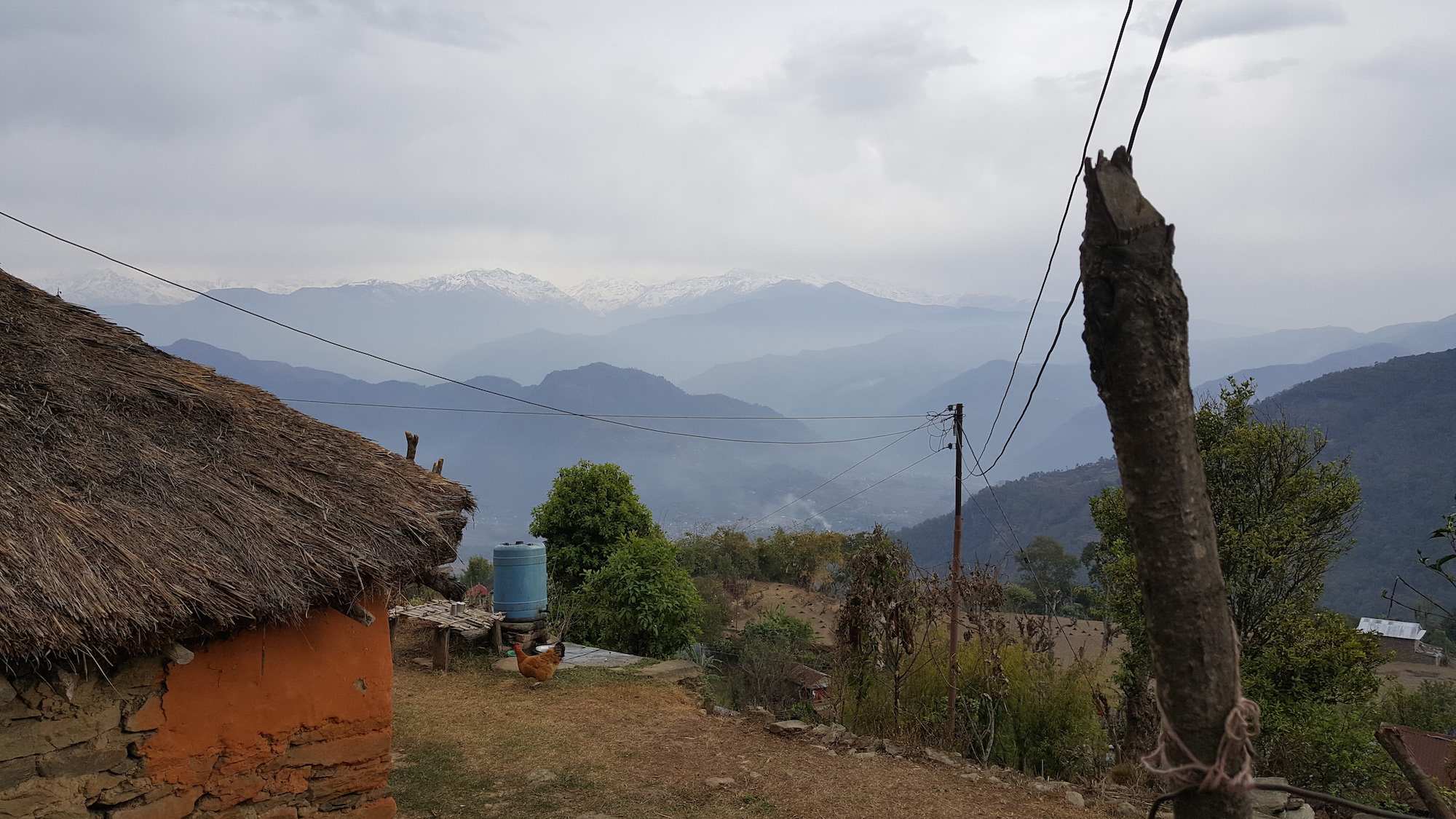
Now when you think of Nepal, you probably think of the mountains right? There is Everest, Annapurna and a bunch of other top climbs in the world. The country as a whole is valley after valley, and is also one of the poorest in Asia. Landlocked between India and Tibet, the country suffers from daily electricity power cuts, known as load shedding, and the majority of households do not have access to a water supply.
It was in March 2016 when I thought it would be a good idea to see how working remotely in Nepal would be for a founder of a tech startup. Researching blogs and forums about internet connectivity, everything told me not go. One blogger said to forget it.

But ye of little faith! I thought to give it a go and if things were really so bad, I would just fly out earlier than expected. At the end of my trip, I am now super glad that I went, and the 3G connection in the majority of Nepal is actually really quite workable!
Here’s a little context. I run a company with 12 employees. We have no office, and have staff in 8 countries. I love remote working, and have been part of teams working remotely for the past few years. This was thus a logical step to take when setting up my current startup, Roomfilla. There are real benefits for a strong remote team in Southeast Asia as you expand outwards into neighbouring markets.
Challenges of remote working in Nepal
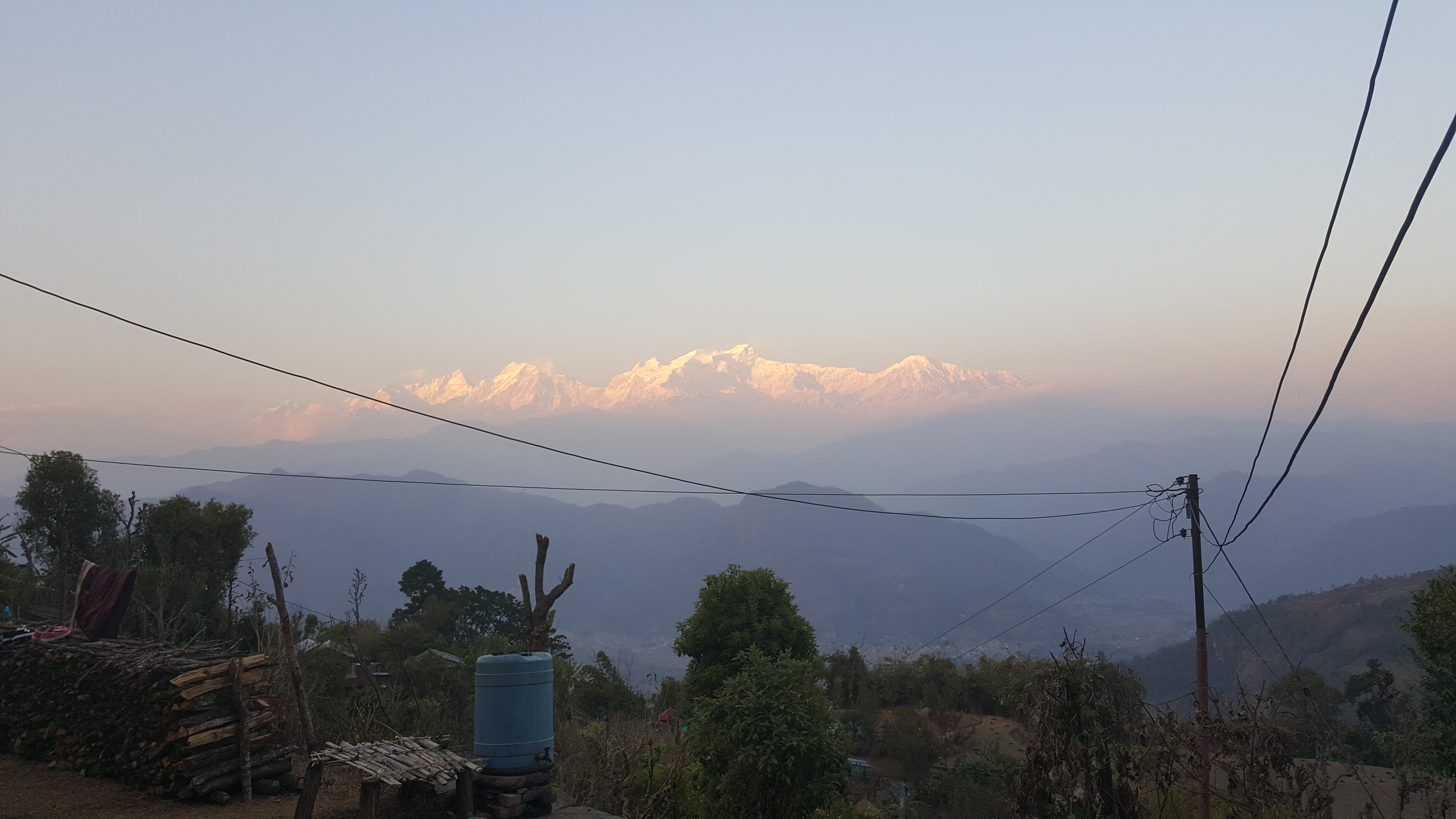
Working in the middle of nowhere had its challenges. It was a eight-hour bus trip followed by a four-hour bus trip and a two-hour walk to get to where I was staying. There were great views of the mountains, but the electricity cuts, lack of running water and sanitation issues made this a super difficult place to set up.
The beauty of running remote teams is that everything is done through Skype or other communication tools. Setting up clear processes from the start means that the team can exercise their freedom to work wherever they like, as long as the work gets done.
What you need when working remotely in Nepal
Now there is some equipment that you need to take on such a trip if you are thinking of working from such a remote location. Most of the time you need your computer, charger and perhaps a travel adaptor. Due to the power issues, you will need to ensure that you can get enough data on a cellphone. 3GB of data works out to be about $10. Top ups are easy to arrange, and loading new data onto your cellphone is simple, but note that passport photos and your ID are needed to get a local SIM card!
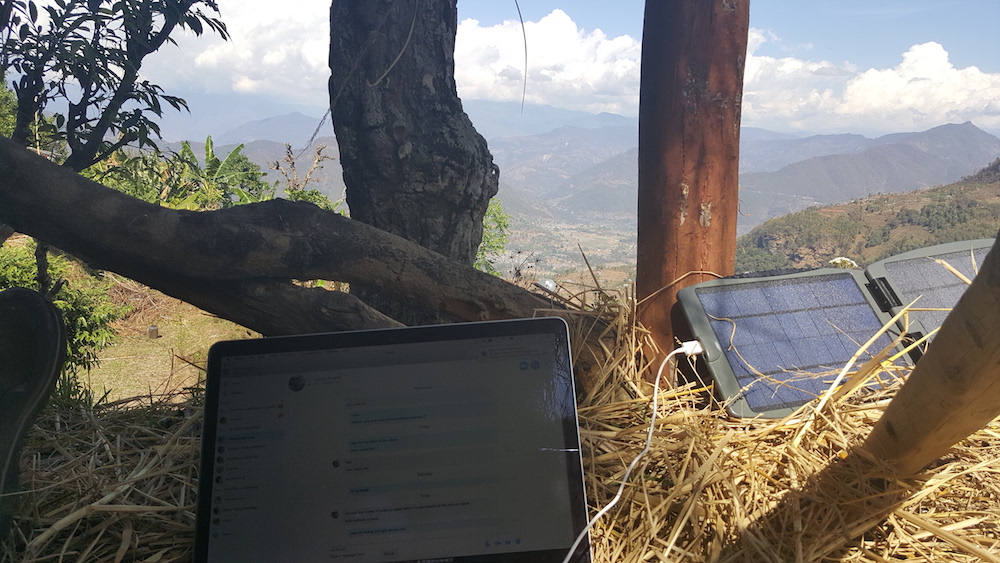
Dealing with the odd interruptions and distractions
Remote working is not for everyone





Stay updated on the go with our mobile app.
Get latest insights with smoother, more personalized experience through TIA mobile app.










📅 Upcoming Events
22 October 2026
Payoneer x CSPN Summit 2026