 Kylee McIntyre · · 5 min read
For international students in the US, a little help in getting a credit card
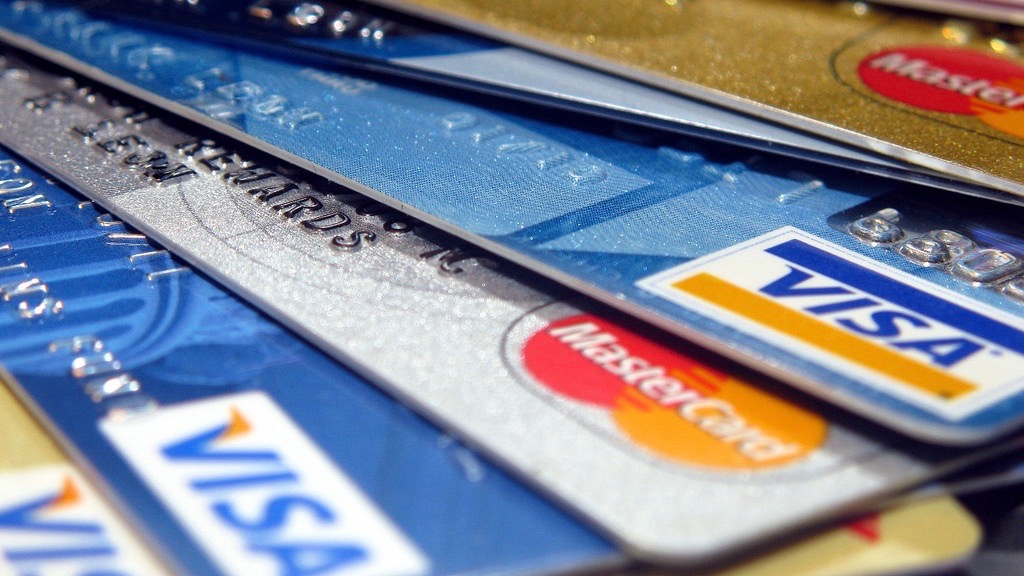
Photo credit: frankieleon.
Abhishek Bhaker, an international student from India studying at University of California, Irvine, faced problems when it came time to apply for a credit card.
“People don’t really understand it, but when we are used to using cash in Asian countries, when we come here, we don’t live luxurious lives,” he says about him and his other classmates from abroad. “We have a two bedroom apartment with five guys. It’s hard to live with cash in a not so secure environment. My cash was stolen.” He had a debit card but lost it, and it took a long time for his request for a new one to process.
Very few banks in the US will give a credit card to someone without a social security number (which takes months to obtain), and those that do will only offer a secured credit card – meaning if you have US$300 in your account, that’s all you’re allowed to spend.
That’s the issue Kalpesh Kapadia is trying to solve, particularly for international students in the US like Abhishek. He set up SelfScore in Palo Alto, which operates like a credit card company that uses a different set of approval metrics for students who don’t have, among other things required, social security numbers.
Abhishek found out about SelfScore from a friend and spoke to a representative on his campus. In a process he described as “very smooth,” he was able to apply for a card online and get approved, which came as a welcome reprieve.
“It’s not easy for my parents to send money frequently,” he explains. “Some months, you have extra expenses. The [credit] card takes care of that.”
Common problem
In a particularly hilarious (but isn’t it always?) segment on Last Week Tonight, John Oliver broke down how credit worked in the US (spoiler alert: not nearly as effectively as Americans would like to think). That aside, he also laid out how credit can also make or break a person’s life and can be required for everything from purchasing a home to getting a temp job. No matter what your opinion is on the matter, credit is a huge gateway to living in the US.
Kalpesh, SelfScore’s co-founder and CEO, has first-hand experience – he saw the many challenges when his cousin came from India to get her masters in computer science from UCLA.
“I went to open a bank account for her and get a social security number, and I found it was impossible for her to get an SS number on day one. You must have a job,” he tells Tech in Asia.
Kalpesh and his cousin went through the same problems when trying to get her a credit card – he had to add her onto his – and when trying to rent an apartment near the campus, buy a smartphone, and lease a car. Because of her lack of a credit report, they had to pay two months deposit instead of one, put down a US$500 deposit for the phone, and no one would lease her a car.
Despite not getting any credit, she was able to keep up a 4.0 grade point average and obtained a research position with IBM for the summer. A student with those kinds of credentials should be able to obtain a credit card, Kalpesh thought. So he set to work starting SelfScore with co-founder Michael Hallinan.
People before numbers
Paperwork hell





Stay updated on the go with our mobile app.
Get latest insights with smoother, more personalized experience through TIA mobile app.









📅 Upcoming Events
22 October 2026
Payoneer x CSPN Summit 2026