Terence Lee · · 5 min read
Glints founders defer studies to shake up online recruitment, raise $475k in seed money
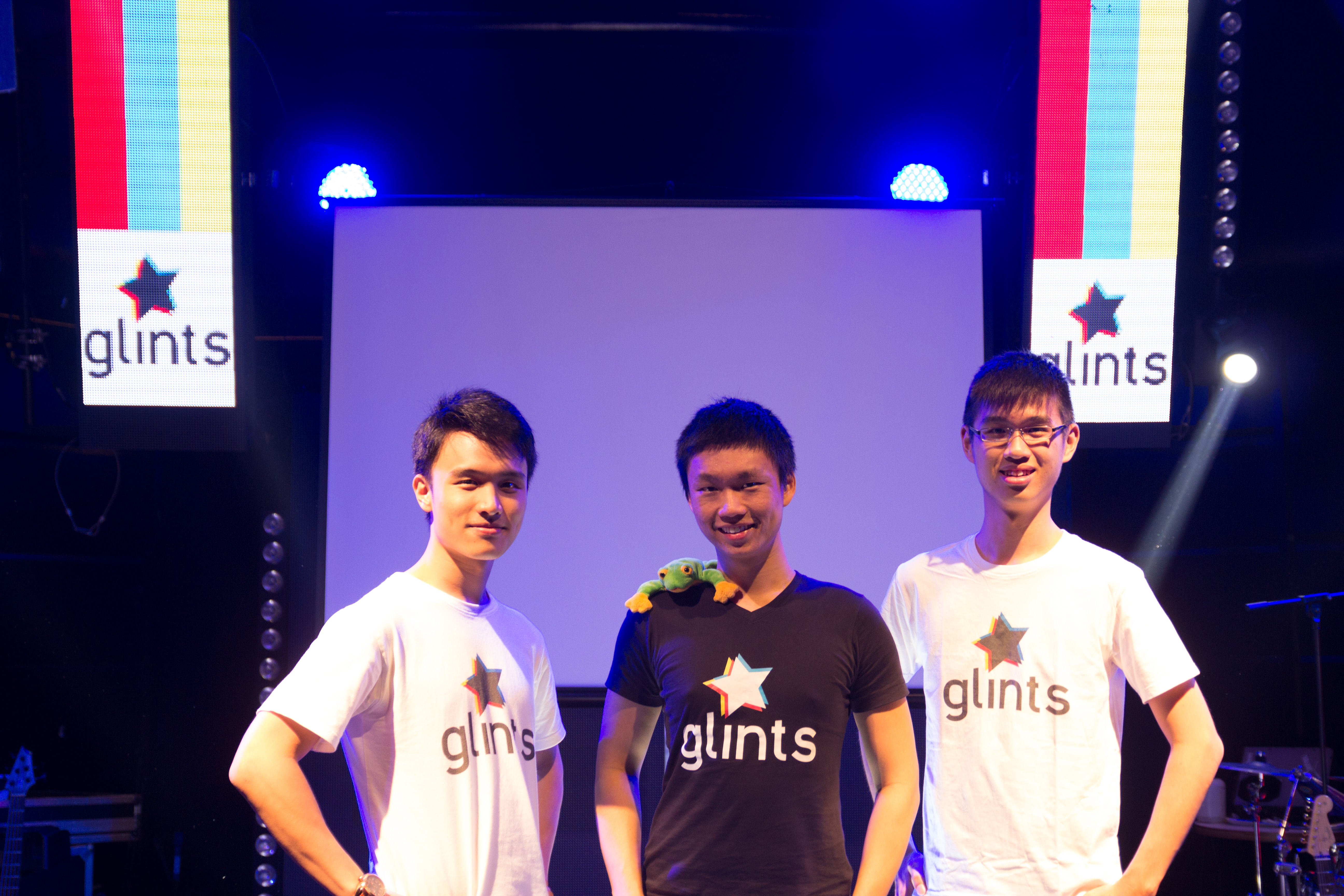
From left: Glints founders Ying Cong Seah, Oswald Yeo, and Qin En Looi.
Successful college-age entrepreneurs are exceptions rather than the norm. While we’re most familiar with caricatures of Steve Jobs, Bill Gates, and Mark Zuckerberg – who all started their companies barely out of puberty – the reality is that the most durable startups are run by grown-ups with professional experience, not dorm room kids.
Yet for Oswald Yeo, Ying Cong Seah, and Qin En Looi, bright 21-year-old Singaporeans bound for Wharton Business School, Stanford, and Berkeley respectively, starting up can’t wait. In academically-driven Singapore, few youths would postpone studies in prestigious universities in exchange for the unlikely chance of creating a rocket ship startup. They’re withstanding familial and societal pressure to take this path.
Their enthusiasm led to a vote of confidence from noteworthy investors in Singapore’s tech scene. The JFDI alum raised US$475,000 in seed funding led by prolific venture capital firm East Ventures (Disclosure: East Ventures is an investor in Tech in Asia. See our ethics page for more information). 500 Startups, SPH Media Fund, Infocomm Investments, 8 Capital, and Pix Vine Capital, along with angel investors John Tan and Darius Cheung, were also involved in the round. Their age makes the trio possibly the youngest tech entrepreneurs in Southeast Asia to get venture capital money.
LinkedIn for youths
Just what is their big idea? It’s called Glints, and it’s a recruitment site that connects fresh grads or about-to-graduate jobseekers with employees. While it started out as a jobs site for internships, their interactions with students uncovered a more pressing need. Oswald Yeo, co-founder of Glints, tells Tech in Asia:
We realized that the predominant questions most youths are asking are: ‘what am I going to do with my life?’ and ‘what skills do I need?’ Internships are only a small of the equation. This insights prompted the evolution of Glints into a career discovery and development platform.
The company is working on a key feature called the “dynamic skills tree”. In the near future, a user can log on to Glints, indicate his interests, and receive a set of recommended careers he can pursue. Each career path comes with a skill tree that shows projects, internships, and courses he can take. Once completed, these stints will reflect on his Glints profile, which employers can discover and then reach out to the person for an interview.
It’s a game-like approach that solves a problem: the empty LinkedIn profile that many students have. “Most adults use LinkedIn to show off their career experiences. What about the millions of college graduates graduating each year, with not much career experiences to show? How will employers know who has the right skills for the job?” Yeo asks.
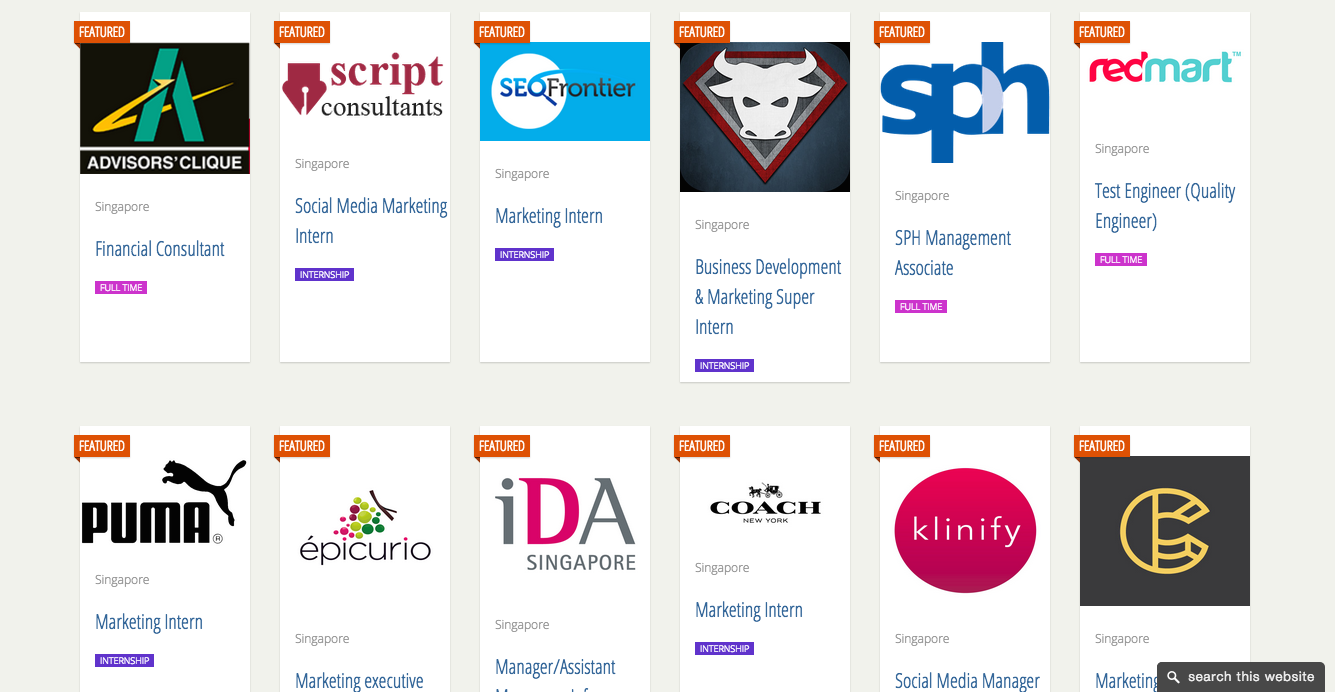
On the employer side of things, Glints promises a mix of human and algorithmic screening to bring companies quality candidates. “The screening algorithm at the moment is still rules-based, but it is already functional at enhancing the human filtering process. We tokenize the resumes to tease out the vital information, including skills sets, and rank them based on relevancy to the jobs.”
In the near future, the algorithm will adapt to the different priorities of employers, since companies value different traits they value most in an employee. The algorithm will also account for hiring trends as it will adapt to the job market’s changing expectations.





Stay updated on the go with our mobile app.
Get latest insights with smoother, more personalized experience through TIA mobile app.