C. Custer · · 3 min read
How a Canadian shooter hit the top of China’s mobile gaming charts
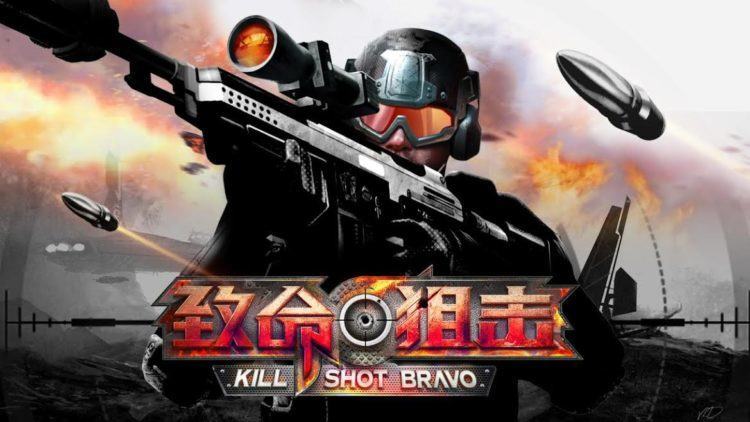
China’s mobile gaming market is a tough nut to crack, especially as a foreign player. Although the Middle Kingdom is a huge and lucrative market, any mobile game is up against thousands and thousands of competitors, many of them backed by domestic powerhouses like Tencent or Netease. How can you get your own game to stand out amongst the crowd?
The answer, for Canadian game studio Hothead, was simple: find your own domestic powerhouse. Hothead had previously launched a mobile game called Kill Shot in China with what Hothead co-founder and development director Vlad Ceraldi called “some success.” But with its sequel, Kill Shot Bravo, the company wanted to go bigger and do better. So it partnered up with Cheetah Mobile.
Cheetah might seem like a strange choice at first. True, it is a powerhouse in the Chinese mobile market, but the company is primarily known for its utility apps, not games. That doesn’t mean Cheetah doesn’t know gaming; the company does have a gaming division, and one of its games even won an award from Google last year. But what Cheetah brought to Hothead was more fundamental: a deep knowledge of the Chinese market and a distribution network that, Vlad said, “has the ability to connect our game to 850 million users.”
Cheetah’s China expertise was brought to bear even before Kill Shot Bravo launched in China, Vlad says. The company helped Hothead localize the game properly, not only translating it into Chinese but also tweaking in-app purchases, the energy system, and even content and update publishing schedules to make sure the game would meet the demands of China’s gaming audiences.
“We were very happy we chose them as our partner,” Vlad said of Cheetah Mobile.
When the game was ready for launch, it launched hot. Cheetah had helped Hothead navigate China’s confusing labyrinth of third-party Android app stores, and most of them loved it. The game was chosen to be featured prominently on several Android app stores and on Apple’s app store, where it was listed in the “new games we love” column. Consequently, it shot to number five on the iPhone free games charts and number three on the iPad free games charts. That’s about as good as one can hope for a launch to go.
Since then, things haven’t gone quite so smoothly. The game fell off the iOS charts relatively quickly, and its user reviews have not all been pretty. Still, Vlad says, overall “the response has been very positive.” And he’s not worried about the slide from the charts:
The fact that it has fallen from its peak in the charts is quite normal, as there was an expected drop-off after the game stopped being featured by the app stores. The game received an A or an A+ rating in almost all of the Android app stores, which shows that they clearly believed in and supported the game. We had some early growing pains when localizing the game here, but as we learn more about the differences in the Chinese market we are able to optimize the experience. We also had some bugs with certain devices, but those are being addressed as well. We also haven’t yet released every feature from the west yet, so as we do that and fix the known issues, we are confident our reviews will improve.
Wherever Kill Shot Bravo goes from here, though, there’s no denying that the game came out of the gate in China with a bang, making a bigger splash in the market than most foreign mobile games can hope to. There’s a lesson there for foreign developers of every stripe: pick a good partner, and localize properly.





Stay updated on the go with our mobile app.
Get latest insights with smoother, more personalized experience through TIA mobile app.