 Xie Yu · · 3 min read
China mulls special stake in wallstreetcn.com to control trade information flow
The Chinese government is trying to extend its oversight of sensitive subject matter to trade, economics, and business – in addition to politics, religion, and race – by muscling in on the ownership of private media organizations.
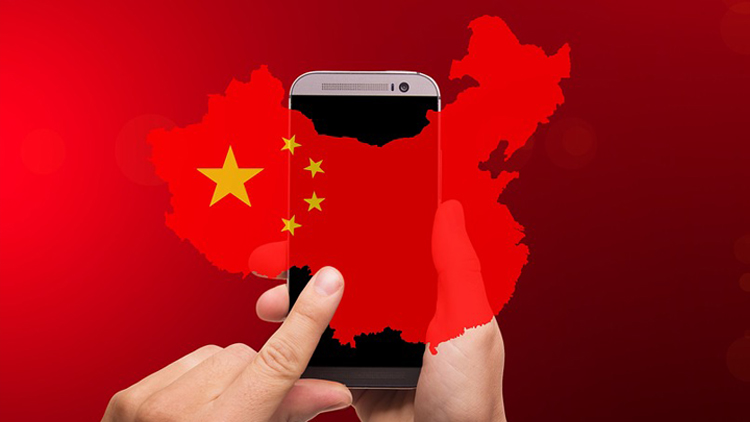
Photo credit: Pixabay.
The Cyberspace Administration of China (CAC), which regulates the country’s internet, smartphone applications, and websites, is working on a plan to take a minority stake with super-voting power in Shanghai Aniu Information Technology, the operator of the wallstreetcn.com service, according to several sources familiar with the matter.
The aggregation site, which provides free news and information about finance, trade, and business, has been suspended since June 10 by the CAC for violating cybersecurity laws.
The stake, known as “special management shares,” may be held via a local state asset supervision authority or government-backed investment fund, said the sources who declined to be identified for speaking about a matter under deliberation.
Aniu, founded in 2013 by a former financial reporter, counts CMC Capital Partners – a unit of one of the country’s biggest media conglomerates China Media Capital (CMC) – as a shareholder.
Aniu and CMC would not comment. Calls to the CAC’s office in Beijing went unanswered.
Other investors are Ping An Ventures and Haitong Leading Capital Management. Bytedance, the owner of China’s largest news aggregator Jinri Toutiao and second-round participant of Aniu’s fundraising, says it is no longer an investor.
The suspension of wallstreetcn.com comes at a time when Beijing is tightening its grip on information circulation to mitigate the impact from politically uneasy events like the trade war.
The US-China trade war was one of the most censored topics last year on China’s widely popular WeChat app, according to research published in February.
In July last year, Chinese media sources said that they were told not to “over report” the trade war and to be extremely careful about linking the trade war to stock market falls, the depreciation of the yuan, or economic weakness to avoid spreading panic.
Before wallstreetcn.com was abruptly shut down, it was translating and quoting foreign media like Bloomberg on the progress of the trade war negotiations. Sources said the regulator targeted the app because it was spreading negative news that weighed on mainland China’s stock markets, rendering the government’s censorship of information from outside the country ineffective.
For example, the aggregator translated and circulated US President Donald Trump’s surprise tweets on May 5 about raising tariffs on Chinese imports – Twitter is banned in China.
The regulator has been mulling the use of special management shares to tighten its control over the country’s internet and media industry since 2015.





Stay updated on the go with our mobile app.
Get latest insights with smoother, more personalized experience through TIA mobile app.








📅 Upcoming Events
22 October 2026
Payoneer x CSPN Summit 2026