- Premium Content It takes our newsroom weeks - if not months - to investigate and produce stories for our premium content. You can’t find them anywhere else.
 Terence Lee · · 7 min read
Google almost killed this startup. Now, it’s profitable and making $30m a year
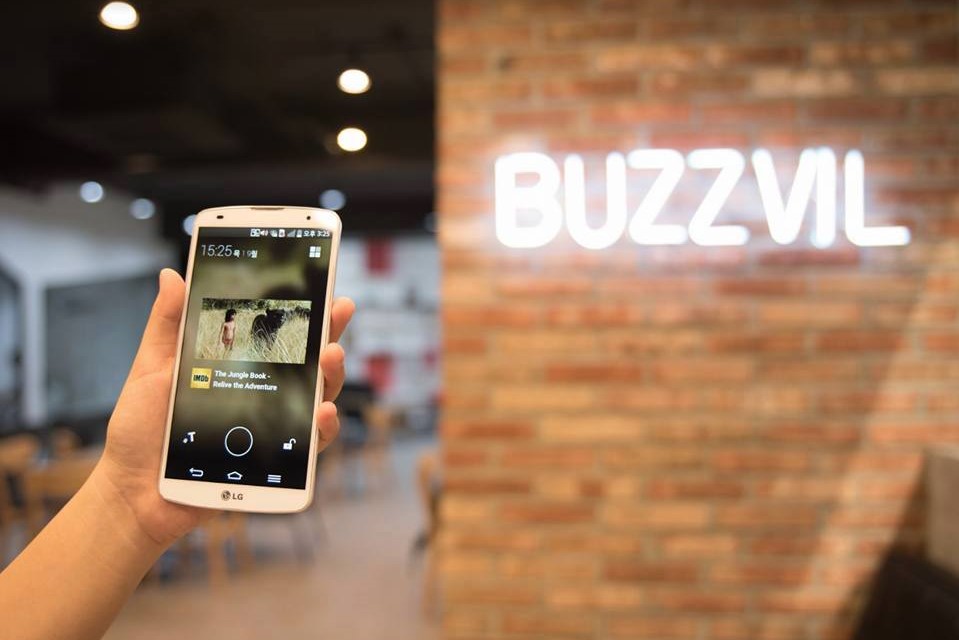
Photo credit: Buzzvil
Towards the end of 2017, Joshua Kwon and his team were unstoppable. They signed up customer after customer during their trip to the US. Kwon’s company, Buzzvil, was expanding outwards after becoming a leader in lock-screen advertising in South Korea.
Then the alarm bells rang.
Google announced a shocker: It would ban Android apps that put ads on lock-screens. Buzzvil’s entire business was at stake. “Oh my God,” Kwon said as he learned about the news.
As the chief strategy officer of the company, he had to formulate a plan fast – or watch years of hard work wash away.
Rise from obscurity

John Lee, co-CEO / Photo credit: Buzzvil
It wasn’t so long ago that Buzzvil was just an idea in the mind of John Lee. As a kid, he disassembled unwanted computer monitors and remote-control cars. In fifth grade, he started a business selling a door lock device he invented.
Wanting to be a better entrepreneur, he signed up for business school at Seoul National University. He found it useless, however, and instead started a company while in college. He has been launching businesses nonstop since then, selling two of his startups for under US$10 million apiece.
Buzzvil began in 2013 when Lee, who became the startup’s co-CEO, had an “Aha!” moment. While waiting for the train, he noticed a lot of ads on the subway doors. “What if we put ads on smartphone lock-screens?” he thought.
But Lee found an obstacle. While brands have no issue with putting ads on lock-screens, smartphone users might feel differently. Convincing consumers would be the hard part.
The solution was HoneyScreen, Buzzvil’s first product. The app lets people display ads on their lock-screens in exchange for points, which can be redeemed for various offline and online services.
“We don’t award users points for viewing or clicking ads unless advertisers specifically request for that,” Kwon tells Tech in Asia. Instead, Buzzvil rewards users for activating HoneyScreen and keeping its lock-screen feature on.
It worked, and HoneyScreen spread like wildfire, gaining thousands of new users each day. The growth mostly came through word of mouth, with little spent on marketing.
Where the money’s at
Crisis mode
Expanding again
Stay ahead in Asia’s tech landscape
This is premium content. Subscribe to read the full story.
Buzzvil made $30m in revenue last year and is profitable. Here’s how it got to where it is today.
We know this is not ideal. ⌛ Sign up in 20 seconds. Cancel anytime.
Our subscriber community includes professionals from these companies:





Stay updated on the go with our mobile app.
Get latest insights with smoother, more personalized experience through TIA mobile app.









📅 Upcoming Events
22 October 2026
Payoneer x CSPN Summit 2026