Nicolette Tan · · 5 min read
Lalamove co-founder shares how the company expanded in 100 cities in 4 years
Lalamove was founded in Hong Kong back in 2013 as EasyVan. The intra-city delivery technology started 2017 operating in 40 cities but is now in more than 100. In January this year, the company raised US$30 million in series B funding.
This week, we hear from co-founder Gary Hui on how Lalamove has been changing the logistics industry in China and Southeast Asia.
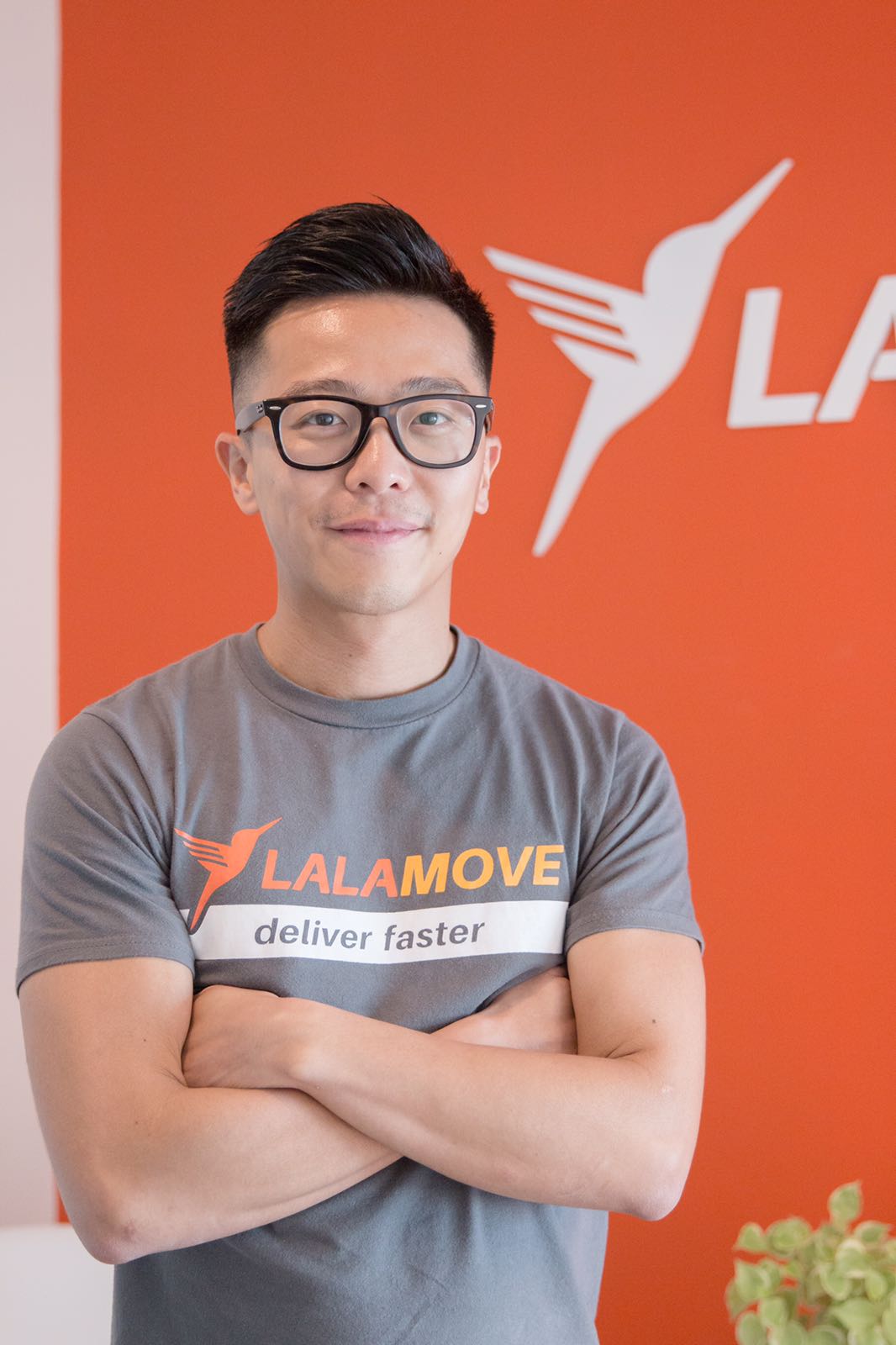
Lalamove co-founder Gary Hui.
What’s the latest with the company?
In China, we’re expanding rapidly into multiple cities per month because the markets are much more homogenous. In Southeast Asia, we face more challenges and take longer to research the market. Each market requires us to localize the business model differently.
For all the markets we enter, there is not a lot of existing regulation, and we don’t plan to rush in without ensuring that our drivers can operate within the law. We are trying to help our drivers earn extra income, not get them fined.
How has Lalamove expanded in China so far?
The logistics market in China was waiting to be disrupted. When we started the company in 2013, there was a lot of inefficiencies in delivery and not that many businesses trying to improve the situation. In China, there are a lot of industrial areas selling different goods, and the drivers were camping there and touting their business. It wasn’t a pleasant experience for the customer nor for the driver.
Most of the time, the drivers were underutilized and not doing good business. So when we came into the market, we found product-market fit […].
We have a limited and closing window to capture the market because there are more and more players with new technology coming in. We’re so far away from being able to say that we’re comfortably number one in this market.
How do you go about trying to win China and Southeast Asia?
The way you operate and grow your business [in China and non-Chinese markets] is so different that it can be disruptive. One thing that really helped us was that our investors are knowledgeable in a variety of markets—from Southeast Asia to China. The best thing we did for our company was to split the team (have one headquarters in Shenzhen that focuses solely on China and one team that focuses entirely on Southeast Asia). Focus is important. If you do China, you just do China.
How do you localize your product for each of your markets?
Ultimately, it boils down to having a clear understanding of what is important to the users in each market. We take our time to listen to our drivers and customers to understand what their major pain points are so we can tailor our product to solve the right problem.
In Thailand, a country that is dependent on tourism, good service is key. Learning from the service standard in Thailand has trickled down to other aspects of our strategy and how we design our products to improve our customer service company-wide. That’s in contrast with Hong Kong where service is not a must-have but speed and efficiency are.
In Singapore, businesses are particularly cost-conscious. Before Lalamove, people were willing to schedule their delivery two weeks in advance to save money. For Manila, the key is the security of the delivery because crime rates are high and traditional delivery services are not reliable. In Taiwan, consumers need to be engaged on an individual level, and social selling is important.
How do you keep up with hiring matters as you grow?
In China, we launch in a city before we have a local team because speed is imperative. There will be people helping out in the new cities from neighboring markets while we hire and train new people. In Southeast Asia, we have team members go down into the new market, conduct field research, and qualify that city before we build a local team. These team members often have extensive operational experience themselves so that they can spend the necessary time and effort with the drivers to help us understand the market from their perspectives.
When you assemble a team with very different backgrounds, personalities, and abilities, getting everyone aligned on the mission and vision of the company is key. That’s why referrals are the most effective for hiring because they understand our culture and how potential employees might fit in.
How do you hire your city launchers?
Do you have a playbook for market expansion?
Has Lalamove failed in any city?





Stay updated on the go with our mobile app.
Get latest insights with smoother, more personalized experience through TIA mobile app.