Jeffrey Towson · · 4 min read
Opinion: The new Chinese sharing economy does not exist
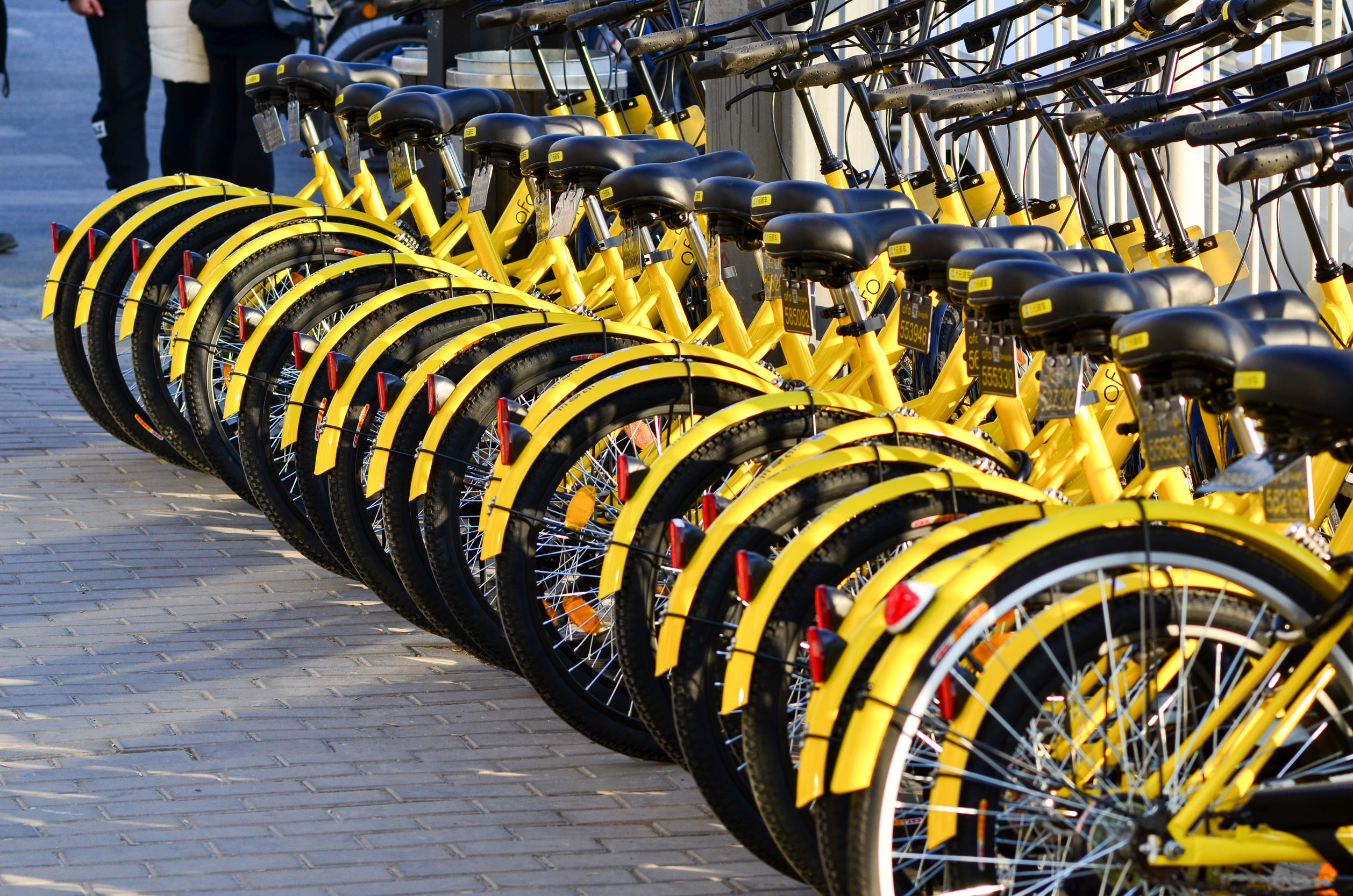
Photo credit: walkingsky / 123RF Stock Photo.
In the past month, there has been a lot of talk about China’s new sharing economy. Articles in the New York Times, Fortune, Bloomberg, and the South China Morning Post have all cited ride-sharing (Didi), bicycle rentals (Ofo and Mobike), and the new micro-rental services for batteries, basketballs, and umbrellas as part of a new Chinese sharing economy.
But this is not really true. The term “sharing” is misleading. All these discussions miss a much more interesting phenomenon: the emergence of a new type of Chinese disruptor.
Here’s my take on what is really going on.
Point 1: There is no new Chinese sharing economy.
First, let’s talk about terminology, as I think this is creating most of the confusion. Keep in mind that nobody really knows what the sharing economy is, as it’s a pretty confusing legacy term.
Here are some questions to think about:
- If I put my home on Airbnb, that would be considered sharing in the most traditional sense because it is a peer-to-peer transaction that uses an asset outside of the traditional hotel market. However, if a small company lists 20 owned or contracted apartments on Airbnb, is that still sharing? That isn’t peer-to-peer and it is pretty similar to a small hotel or rental business.
- If 10 different people rent the same Ofo bicycle for 20 minutes during the day, is that sharing or a rental? It seems like both. And if that is sharing (as many claim), then is it also sharing if different people stay in the same hotel room over time?
- What about sharing labor? If you contract a designer through a company like Elance, is that sharing? It’s peer-to-peer, but does it have to be a physical product to be considered as sharing?
- What about Spotify and other music or video streaming services? The customers are no longer buying the songs. Can you share products that are intangible like media?
- And what about fractional ownership of jets or vacation apartments? That is a type of collaborative consumption. Also sharing?
You can basically play this game with any business that people describe as sharing because the terminology is so fuzzy. And the biggest problem is that sharing implies a physical product or asset, but so many businesses are now dealing with added services, data, labor, and intangibles.
So my recommendation is to forget the term sharing economy. The key to understanding what has been going on in China with companies like Didi, Ofo, and the others is to ask the right question. If you get the question right, everything becomes clear.
Point 2: The question to ask is access vs. ownership.
When I get confused about a business situation, I think about the point of purchase. In this case, I think the right questions are the ones a consumer actually asks themselves which are “Should I buy this or rent it?” or “Should I own it or access it?”
The decision between ownership and access is where both consumer behavior and business strategy diverge along two very different paths. Most of the best thinkers (Michael Porter, etc.) refer to these new companies not as part of the sharing economy but as innovators in the “access economy.”
Think about how different access and ownership businesses are. If you want to own a bicycle, there are a lot of factors you need to consider: price, style, look, brand, reputation, whether it’s a premium or economy product, and if it’s new or used. You also think about the bikes that are actually available at your local retailer, the distance to the store from your home, the storage of the bike when not in use, the frequency of usage, and so on. A lot goes into the consumer decision when it comes to owning something. And successful bicycle manufacturers like Taiwanese Giant Bicycles are structured specifically to compete on these factors.
Now consider if you just want to access/rent a bicycle for a while. You ask very different questions. What is the price per hour? Can I rent by the hour or do I need to rent it for the whole day? Is there a bike rental store near where I want to go? Where do I drop it off when I’m done? Do I need a lock and helmet? And so on. Access businesses are mostly about two factors: price and convenience. Do note that they also compete on the largeness of their selection (think Spotify, a type of access business based on a large selection). But price and convenience are the important factors for this discussion.
So in all these new Chinese businesses, I think the question is access vs ownership. And the big factors for access are price and convenience.
Point 3: China is now seeing a wave of ‘digital disruptors’





Stay updated on the go with our mobile app.
Get latest insights with smoother, more personalized experience through TIA mobile app.