 C. Custer · · 2 min read
Back from the brink? Spat with Coolpad resolved as Qihoo takes controlling stake in Qiku
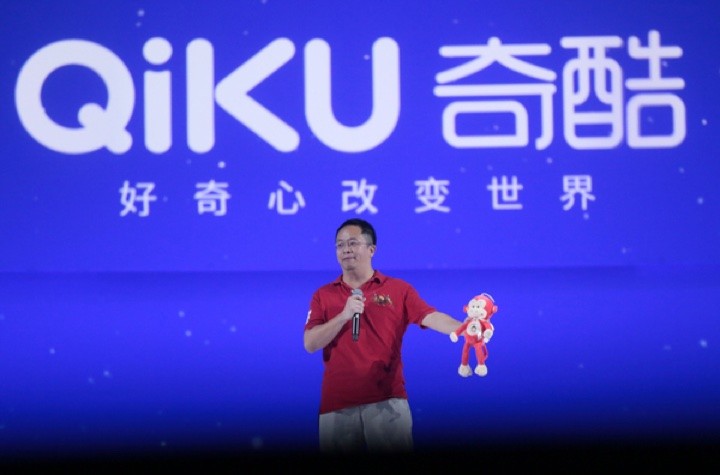
After an intense and public spat – somehow whenever I have cause to write the phrase “public spat,” Qihoo is always involved – Qihoo 360 and Coolpad are reportedly back together. Sort of. The two companies will remain joint custodians of their Qiku smartphone subsidiary, but Qihoo’s ownership stake has increased from 49.5 percent up to 75 percent. What seems to have happened is that Qiku bought some of its own stock back from Coolpad and then sold it to Qihoo, but as of this writing only Qihoo 360 has commented publicly so the situation isn’t entirely clear.
A quick review of the story up to this point: Qihoo 360, China’s biggest internet security company, and Coolpad, a major Chinese smartphone maker, agreed to join forces on a new joint-venture smartphone brand called Qiku. Qihoo invested US$400 million into the new subsidiary, but its march towards its first phone launch hit a snag in June when Letv, a major competitor for Qiku in the smartphone game, invested in Coolpad.
Qihoo 360 CEO Zhou Hongyi was incensed, and while development of Qiku’s phones moved forward – the first models were launched in August to a fairly lukewarm reception – the argument between Qiku’s parent companies Qihoo 360 and Coolpad grew behind the scenes.
It all came to a head a couple weeks ago, when Qihoo and its CEO Zhou demanded that Coolpad buy out Qihoo’s share in the Qiku joint venture for an exorbitant sum. Coolpad responded with an equally combative open letter than accused Zhou of acting like “an emperor who howls crazily,” among other things. Zhou had no reasonable expectation that Coolpad would actually buy out the shares at his asking price, so many speculated that this was a power play from Zhou aimed at forcing Coolpad to buy its shares back from Letv.
But whatever happened behind closed doors, the outcome seems to have been even better than Qihoo could have hoped for. It has acquired a controlling stake in its smartphone sub-brand and eliminated any sort of strong Coolpad influence at the company while still – at least ostensibly – maintaining the ties that give it access to Coolpad’s hardware manufacturing expertise and supply-chain connections.
Whether that’s really a victory remains to be seen. As I mentioned earlier, the immediate response to Qiku’s August handset announcements has not been too impressive, and Taobao sales look fairly thin – though admittedly judging actual sales based on Taobao numbers isn’t always a good idea. Its handsets do have some fairly unique tweaks – like the double-camera aimed at producing better photos – but whether that will be enough in China’s highly crowded smartphone market is anyone’s guess.





Stay updated on the go with our mobile app.
Get latest insights with smoother, more personalized experience through TIA mobile app.











📅 Upcoming Events
22 October 2026
Payoneer x CSPN Summit 2026