 Grace Priscilla Teo · · 3 min read
The bond market risk in tech giants’ AI bet
This article summarizes an episode of WSJ Podcast’s video series featuring Guy LeBas, chief fixed income strategist at Janney Montgomery Scott.
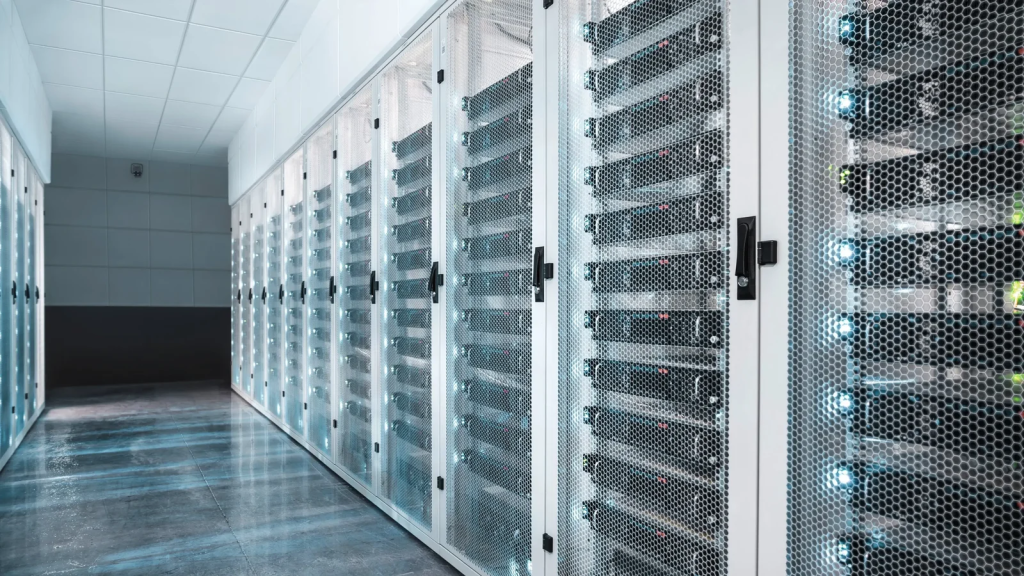
Photo credit: Northern Data
Guy LeBas, chief fixed income strategist at financial services firm Janney Montgomery Scott, notes that a small accounting update has driven tech giants to borrow huge sums to build their AI projects. He warns that this financing boom forces the economy to bet trillions on technology that might prove useless.
How a small policy tweak reshaped the market
Not long ago, instead of building every data center, tech giants would rent space from companies that owned the buildings.
LeBas explains, “Originally, these physical locations where data was kept, what we call today the hyperscalers, were often built by REITs, or real estate investment trusts… Google might go rent space in one of these data centers.”
New accounting rules disrupted the leasing model
That way of renting was disrupted by a new rule that altered how these companies had to report their finances.
LeBas states, “In 2019, there was a kind of esoteric accounting change which basically said that anytime you have a long-term lease when you’re leasing space… you need to bring it on the balance sheet… like you own it.”
The shift toward owning data centers
Since renting became as complicated on paper as owning, big tech companies began to build and keep their own facilities.
LeBas notes, “This change in accounting regulations spurred a change in financing as well. So, gradually over time from that 2019 lease event… these big tech companies have been gradually bringing data centers onto their own balance sheets, and that means borrowing money in order to finance them.”
The coming trillion-dollar debt
This switch to ownership creates a huge need for capital. Even the world’s most profitable companies cannot fully self-fund the AI buildout. A Morgan Stanley analysis projects a US$3 trillion financing need by 2028, but estimates that the tech giants’ cash flow will likely cover only half that amount.
Selling bonds at a record pace
This need for money is driving tech companies to raise funds by selling more new bonds than ever before.
LeBas calculates, “If we just extend those hyperscaler numbers to issuing debt every six months, we’d be talking about 20% additional in addition to that $800 billion of new money… The US investment grade bond markets, instead of growing by 4-ish% a year, would end up growing by 5 or 6% a year.”
The risks of having too many bonds
Basic economics says that when the supply of something goes up, it can cause problems for that market.
LeBas warns, “If supply and demand come into balance, and maybe hypothetically the markets get oversupplied from AI issuance… that could cause spreads to widen and the markets to underperform because supply kind of overwhelms the demand.”
Is this a different kind of tech bubble?
The real AI gamble





Stay updated on the go with our mobile app.
Get latest insights with smoother, more personalized experience through TIA mobile app.









📅 Upcoming Events
22 October 2026
Payoneer x CSPN Summit 2026