- Premium Content It takes our newsroom weeks - if not months - to investigate and produce stories for our premium content. You can’t find them anywhere else.
 Melissa Goh · · 7 min read
BNPL struggles amid global recession – except in Southeast Asia
It was just recently when the buy now, pay later (BNPL) fever swept across the globe. Now, have the tides turned against BNPL firms?
With inflation on an uptrend, climbing interest rates, and a looming recession, running a BNPL business has become more costly – or so it would seem.
BNPL firms in the West are already feeling the effects of rising loan delinquencies and higher borrowing costs. Sweden-based BNPL pioneer Klarna’s valuation has fallen from the highs of US$45.6 billion last year to a reported US$6 billion after it conducted a round of layoffs. Meanwhile, US-based Affirm’s share prices have fallen to a low of US$17.20 at the time of writing, down from its peak of US$168.50 last November.
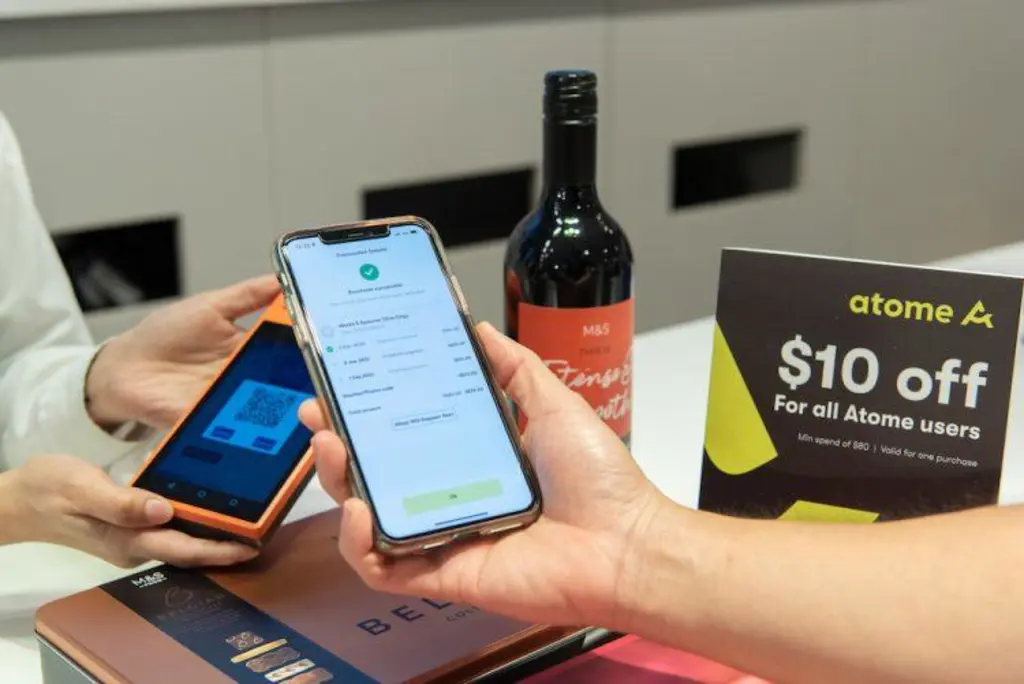
Photo credit: Atome
Adding to that, competition has gone up a notch as incumbent banks as well as tech giants like Apple join the party – a move that BNPL players hail as being a validation of the model.
Despite these downtrends, Asia-based BNPL players Atome and Hoolah tell Tech in Asia that their pay-later products continue to see strong traction and are on track to hit their growth targets.
In fact, Atome CEO David Chen believes that current inflation “may actually increase usage” for BNPL solutions, as they can help to smoothen cash flow and monthly budgets. This is especially true in emerging Southeast Asian markets, where underbanked or unbanked consumers are starved of credit.
“It’s business as usual”
Akulaku, an Indonesia-based fintech firm, expects the overall credit market to continue growing at “an expedited rate” as economies open up, its CFO Fan Zhang told Tech in Asia last month.
Unlike Atome, which solely offers BNPL services, players like Akulaku operate diversified businesses: On top of BNPL, it also has consumer credit, digital banking (Bank Neo Commerce), online wealth management (Asetku), and insurance brokering products. Providers like Akulaku and competitor Kredivo offer a combination of both interest-free and interest-bearing installment payments (the latter provides an additional revenue stream).
On the other hand, Atome does not charge interest on its installment payment plans, even in markets like Indonesia, the Philippines, or Vietnam, where risks of non-repayment are ostensibly higher, given that many customers are new to credit. The firm operates in nine markets across Asia.
A model like Atome’s, while a boon for consumers, may be less sustainable, some argue. That’s because revenue is mainly derived from merchant fees – a revenue stream that’s “typically not enough to cover the hefty unit costs of short-term lending,” Tonik CEO Greg Krasnov wrote in a commentary.
Default payments remain extremely low, with the vast majority of transactions paid back on time.
But according to Atome, its default rates are “less than 1%” across its different markets. That’s on par with Klarna’s rates of non-repayment last year.
Default rates aside, Atome’s traction in markets like Indonesia, the Philippines, and Thailand continues to be “very positive,” CEO Chen adds. In Thailand, gross merchandise value has grown tenfold in the past year.
Sourcing funds
Can Apple take on Southeast Asia?
Stay ahead in Asia’s tech landscape
This is premium content. Subscribe to read the full story.
Rising interest rates, inflation, and a looming recession have cast doubt on the viability of the BNPL model. But SEA’s players may be an exception.
We know this is not ideal. ⌛ Sign up in 20 seconds. Cancel anytime.
Our subscriber community includes professionals from these companies:





Stay updated on the go with our mobile app.
Get latest insights with smoother, more personalized experience through TIA mobile app.