- Premium Content It takes our newsroom weeks - if not months - to investigate and produce stories for our premium content. You can’t find them anywhere else.
 Jofie Yordan · · 4 min read
Bluebird’s answer to Grab and Gojek? Not discounts
Bluebird, one of Indonesia’s oldest taxi companies, has been around for 53 years. Today, it faces competition from tech giants like Grab and Gojek as well as emerging players like Vietnam’s Xanh SM, an electric vehicle startup that operates as Green SM in Indonesia.
But rather than racing to match these newer competitors on price or scale, Bluebird is sticking to delivering consistent and reliable service.
“We’re not targeting every segment and we’re not [entirely] premium either,” says Andre Djokosoetono, CEO of Bluebird Group, in an interview with Tech in Asia during the Asia Economic Summit in Jakarta. “We serve the non-price-sensitive market.”
Judging by Bluebird’s financials, the strategy works.
The company has consistently been profitable since its November 2014 IPO, aside from Covid-era blips. In 2024, it earned 592.7 billion rupiah (US$36.5 million) in net profit out of 5 trillion rupiah (US$307 million) in net revenue.
Against price wars
Bluebird sees its segment as more focused on customers who prioritize consistency and service over cost.
As players like Xanh SM enter the market with fully electric fleets and aggressive promotions, Bluebird is deliberately steering clear of competing on price. Djokosoetono says the company has “never been tempted to do price wars.”
“You can’t lower your prices and deliver a consistent quality,” he points out.
Amid competition from Gojek and Grab, Xanh SM has made aggressive moves. In December 2024, the Vietnamese company revealed its plan to operate 10,000 vehicles in Indonesia by the end of 2025.
In comparison, Bluebird had a fleet of 24,500 taxis as of April this year.
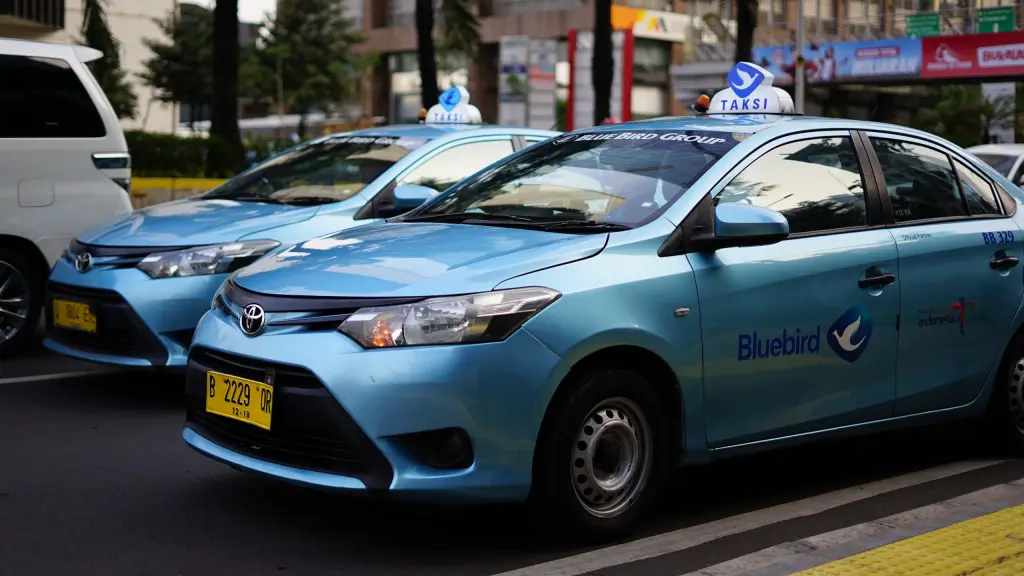
As of April 2025, Bluebird had 24,500 taxis in its fleet. / Photo credit: Javaistan / Shutterstock
“We are delivering the service with certain standards of quality that require a lot of infrastructure,” says Djokosoetono, adding that the company also has to train its drivers to meet those standards.
From EVs to AI
Stay ahead in Asia’s tech landscape
This is premium content. Subscribe to read the full story.
While rivals slash prices and chase scale, the Indonesian legacy taxi firm sticks to service and consistency. CEO Andre Djokosoetono shares how.
We know this is not ideal. ⌛ Sign up in 20 seconds. Cancel anytime.
Our subscriber community includes professionals from these companies:





Stay updated on the go with our mobile app.
Get latest insights with smoother, more personalized experience through TIA mobile app.