 Rita Liao · · 7 min read
Journey to the West: How China’s online retailers are taking the battle to the rural front
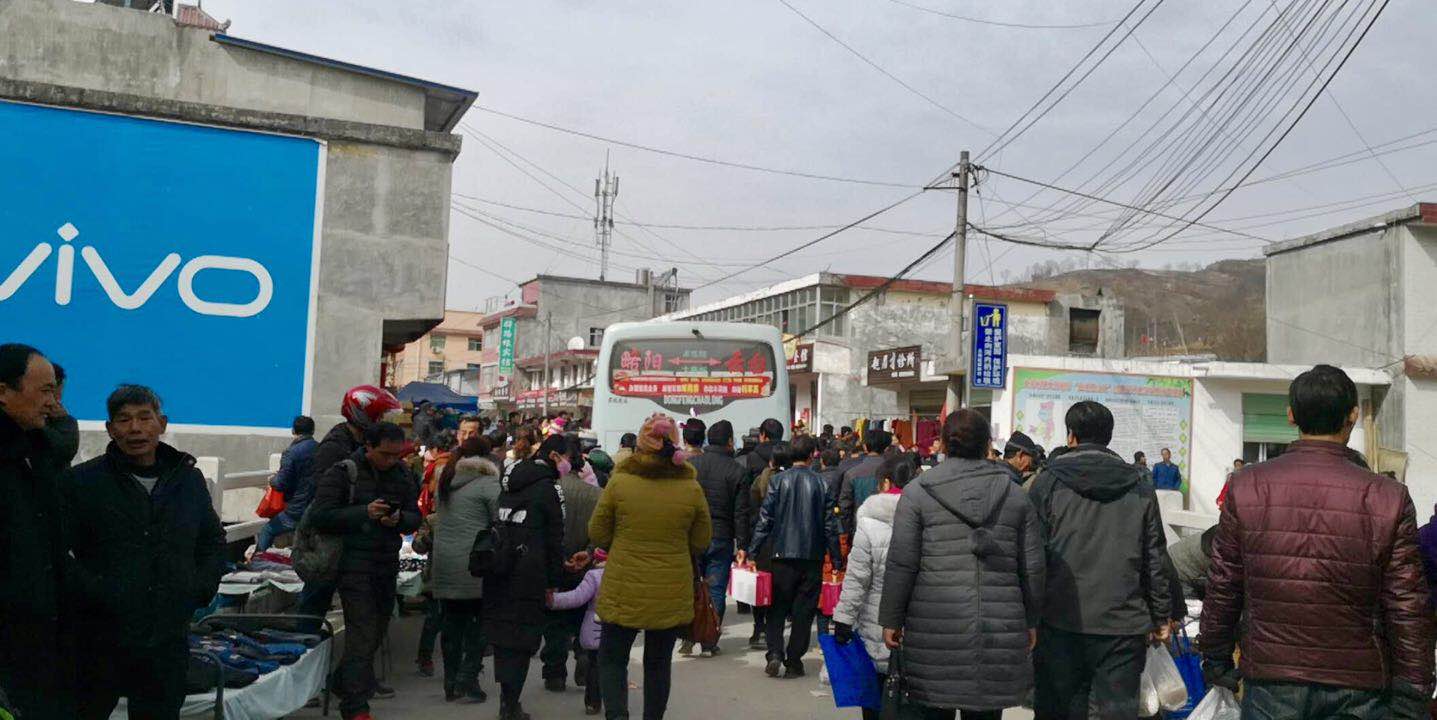
On the weekend, villagers flock to the center of Kang County to shop, dine, or pick up their express deliveries. Photo credit: Tech in Asia
Five years ago, Ji Yongtao left Shenzhen – China’s coastal metropolis that recently became the country’s third-largest economic hub – and returned to his hometown, located in the far-flung northwestern Gansu province. Every few days, Ji takes a 10-minute drive to fetch his online orders from Kang County’s Rural Taobao station, a brick-and-mortar service center that Alibaba has established nationwide to help rural residents buy and sell goods online.
“When I first moved back, the county had no courier service. Ecommerce was unheard of here. I had to drive 200 kilometers to the nearest city of Tianshui to pick up my packages,” says Ji. “But now, villagers are embracing online shopping faster than I thought.”
But Ji’s story is not unique. Outside of China’s megacities, ecommerce is taking off across low-tier cities – tiny urban enclaves with lesser economic power, political clout, or population – and rural regions, consisting of villages surrounding the small cities. As online retail in China’s major cities reaches a saturation point, ecommerce groups are scrambling to put goods in the hands of small-city and rural consumers.
Flourishing small cities
For three decades, the boom in top-tier cities like Beijing, Shanghai, and Shenzhen has been fueled by migrant workers flooding in from the country’s poorer, rural interior. That trend, however, is reversing course as soaring city expenses and increasing salaries in their hometowns are driving migrants back home.
In 2016, China had over 280 million rural migrant workers, up 1.5 percent year-on-year. Nearly 90 percent of the growth came from migrants employed near their home areas, like Ji. Meanwhile, those who work in metropolitan hubs saw a continuous decline from 2011 to 2016.
“I like the glamor of big cities, but I can live the way I want in Lijiang,” says He Fenghua, a 25-year-old local of the historic, Tier 3 city near the Himalayan utopia Shangri-La in Yunnan province. “Every day I head over to my friend’s home inn with my notebook. When the day ends, my work also finishes.”
As a freelance marketer, her US$1,600 monthly salary puts her above the average US$1,230 of 37 major Chinese cities. She also pays much less rent than her metropolitan counterparts, giving her more disposable income.
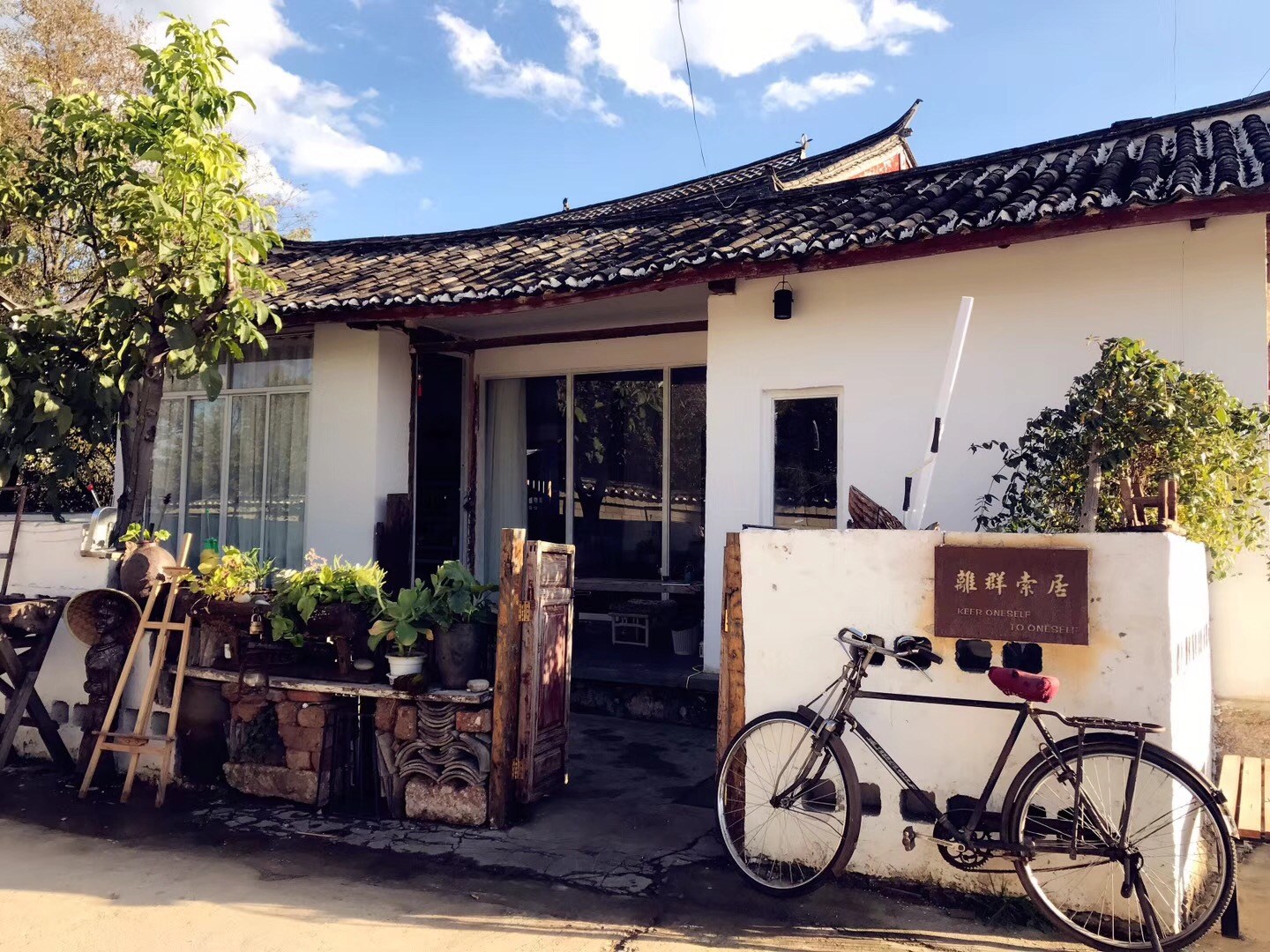
A freelance marketer, He Fenghua works from her friend’s bed and breakfast in the historic city of Lijiang. Image Credit: He Fenghua
“Lower-tier cities will be bigger, wealthier, and more eager to spend, and could contribute two-thirds of incremental growth in national private consumption toward 2030,” said Robin Xing, Morgan Stanley’s chief China economist, in a 2017 report. These prefecture- and county-level urban hubs currently make up 59 percent of the country’s GDP, according to Xing.
He shops online about once a week, getting her clothes from indie designers on Alibaba’s Taobao marketplace and cross-border ecommerce site Higo, her books from Amazon and Dangdang, and her home appliances from JD and Yanxuan, NetEase’s ecommerce service that claims to offer high-quality items at affordable prices.
“There are no big malls in Lijiang, so I turn to ecommerce,” she adds.
A 2017 report shows that JD’s average daily orders in Tier 3 and 4 cities are growing 20 percent faster than those in Tier 1 and 2 cities.
Building the freeway to rural ecommerce
Marketing to small-city consumers





Stay updated on the go with our mobile app.
Get latest insights with smoother, more personalized experience through TIA mobile app.









📅 Upcoming Events
22 October 2026
Payoneer x CSPN Summit 2026