Meng Jing · · 4 min read
From blockbuster bonuses to pink slips: China’s tech industry nurses a hangover
A long-awaited promotion can make you feel on top of the world and an unexpected layoff can take you to rock bottom. In China’s rapidly changing tech scene, this career roller-coaster can be ridden in days – not months or years.
One ex-employee from Chinese internet major NetEase was promised a promotion ahead of the Lunar New Year holiday after serving several years at the Hangzhou-based company. But soon after she returned from the seven-day national holiday, NetEase laid her off as part of a company-wide restructuring.
“It was sudden and unexpected,” said the ex-employee, in her late 20s, who declined to be identified after losing her job. “Some new hires reported for work in mid-February after the holidays, and just weeks later they were laid off too.”
NetEase, China’s second biggest online game publisher with a growing ecommerce unit, is one of a wave of technology companies that are laying off employees amid a slowdown in China’s economy – and the retrenchment runs from “low-end” manufacturers to some of the country’s “high-end” tech darlings, including China’s second largest ecommerce firm JD and ride-hailing giant Didi Chuxing.
The world’s second largest economy is growing at its slowest pace in nearly three decades, adding to the gloom in the country’s once red-hot internet economy, which has also seen a pullback in venture capital funding, adding to the uncertainty for some of China’s most well-paid office workers.
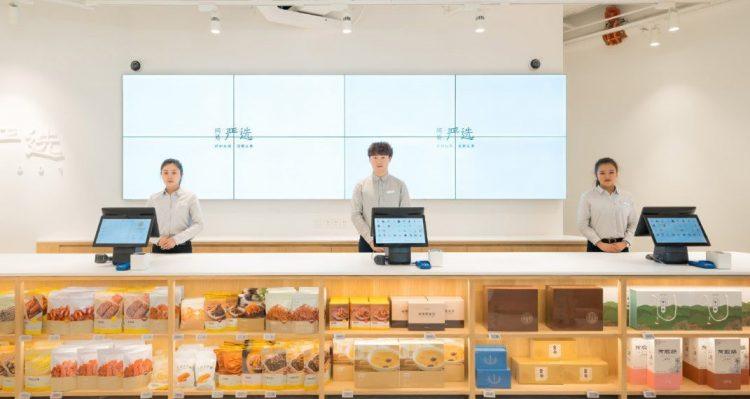
Photo credit: NetEase Yanxuan
New York-listed NetEase said in a statement that the layoffs were part of a broader restructuring as the company focuses on becoming more efficient. According to a report from financial magazine Caijing, the job cuts mainly came from ecommerce unit Yanxuan, agriculture brand Weiyang, and NetEase’s education technology unit.
NetEase declined to comment beyond the statement it issued.
Didi Chuxing, which had to contend with a safety scandal in 2018 after two of its drivers murdered female passengers, announced a 15 percent cut in its workforce at a February internal meeting, according to people familiar with the matter, as the company reevaluates its business. With 2,000 jobs at stake, this would be one of the country’s biggest cutbacks to date in the tech sector.
JD said in February that it intends to cut 10 percent of senior management while simultaneously adding 10,000 jobs – mostly frontline staff and junior management – at its logistics unit as the Beijing-based firm adopts a “small group, big business” model to “revitalize resources,” said a JD representative.
“It is like battening down the hatches. When ships are going into rougher waters, they need to get ready,” said Jeffrey Towson, a Peking University professor.
Unlike US tech companies, most Chinese internet companies are dependent on consumers buying products and services via smartphones, said Towson. “So if consumer confidence drops further because of an uncertain economy, they could face even tougher times.”
For decades, working for the Chinese government or state-owned enterprises was the pinnacle of stability and success, regarded as holding an “iron bowl” in China. But the iron bowl has been replaced by the “golden bowl” of tech jobs amid the inexorable rise of the country’s tech giants and internet upstarts at home and abroad.
The IPO of Alibaba Group Holding, the ecommerce giant and owner of the South China Morning Post, in New York created overnight millionaires and billionaires. Reports of jaw-dropping year-end bonuses at some tech firms have attracted job seekers from across the world.





Stay updated on the go with our mobile app.
Get latest insights with smoother, more personalized experience through TIA mobile app.