- Premium Content It takes our newsroom weeks - if not months - to investigate and produce stories for our premium content. You can’t find them anywhere else.
 Melissa Goh · · 6 min read
Tonik CEO on BNPL: ‘I prefer to call it sales finance’
Tonik Financial CEO and founder Greg Krasnov has a bone to pick with the buy now, pay later industry and he’s not afraid to say it.
While Tonik Digital Bank (TDB) – the Tonik Financial subsidiary based in the Philippines – offers an installment payment product of its own among its seven loan offerings, the CEO bristles at the term BNPL.
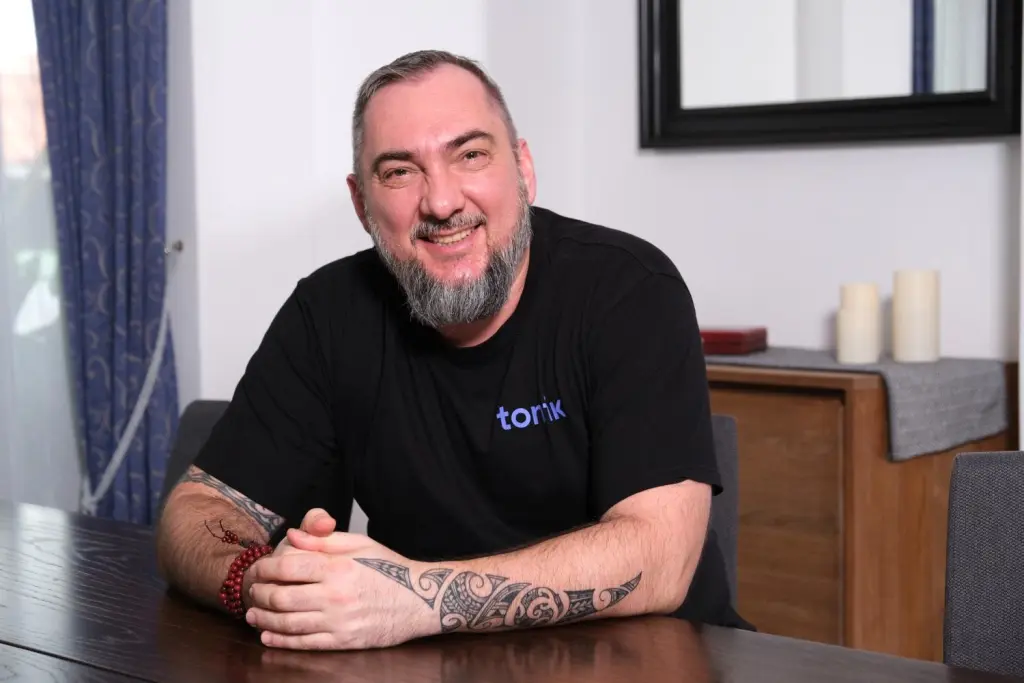
Tonik Digital Bank founder and CEO Greg Krasnov / Photo credit: Tonik Digital Bank
“I prefer to call it sales finance or point-of-sale lending. Those are terms that have been around since World War I – installment lending in the stores,” says Krasnov, a self-professed “old-school banker” who founded and ran Platinum Bank, a consumer finance bank in Ukraine, for seven years before its exit in 2013.
Prior to starting Tonik Financial, Krasnov co-founded several fintech firms in Asia, including credit scoring company CredoLab and consumer lending startup AsiaKredit.
As a first-mover in the Philippine neobanking space, TDB has “by far the largest range of consumer lending products on the market,” the CEO notes. The digital bank, one of six licensed operators in the country, began operations in March 2021. It now has some 200,000 active users and US$10 million in loans, according to Krasnov.
While its loan portfolio has seen limited growth in its early phase, that’s expected to change in 2023 as the neobank begins scaling.
BNPL vs. “proper bank consumer lending”
Among the products that TDB will be looking to scale this year is Shop Installment Loan, a Home Credit-style financing product. Consumers can opt to break up their purchases into three installments at a fixed monthly interest rate of 4.5%, with the service available at TDB’s 30 partner retail stores in Metro Manila.
By “charging proper interest on this, you’re actually making profit on the product instead of offering this crazy 0% interest rate, and then hoping that on product number five, maybe at some point, somehow, you make money,” adds Krasnov.
Traditional banks and financial firms have been doing this for years. Home Credit’s installment loans, available at partner stores, can be taken up by eligible shoppers at the point of sale with interest.
They report the absolutely useless GMV metric.
On the other hand, BNPL firms like Affirm, Afterpay, and Atome pride themselves on charging zero interest on repayments, relying on merchant fees for revenue. Swedish BNPL major Klarna also offers a longer-term repayment product of up to 24 months that comes with an annual percentage rate of between 0% to 28.99%, but its main BNPL products are interest-free.
Krasnov says few competitors in the Philippines offer a “true zero interest rate” on offline sales finance. However, TDB will be introducing some promotions jointly with merchants to offer a zero interest rate for a limited volume and period of time to support growth for its merchants.
In the first half of 2022, Klarna saw losses triple following an aggressive expansion effort and soaring customer acquisition costs, raising the question of its ability to return to profit.
Crypto on pause
‘Not stepping on anybody’s toes’
Stay ahead in Asia’s tech landscape
This is premium content. Subscribe to read the full story.
Tonik Digital Bank may offer installment shopping loans too, but it’s doing it the good ol’ “bank way.”
We know this is not ideal. ⌛ Sign up in 20 seconds. Cancel anytime.
Our subscriber community includes professionals from these companies:





Stay updated on the go with our mobile app.
Get latest insights with smoother, more personalized experience through TIA mobile app.