 Nathaniel Fetalvero · · 5 min read
Biotransformation: The secret sauce of organic-based, multi-billion dollar industries

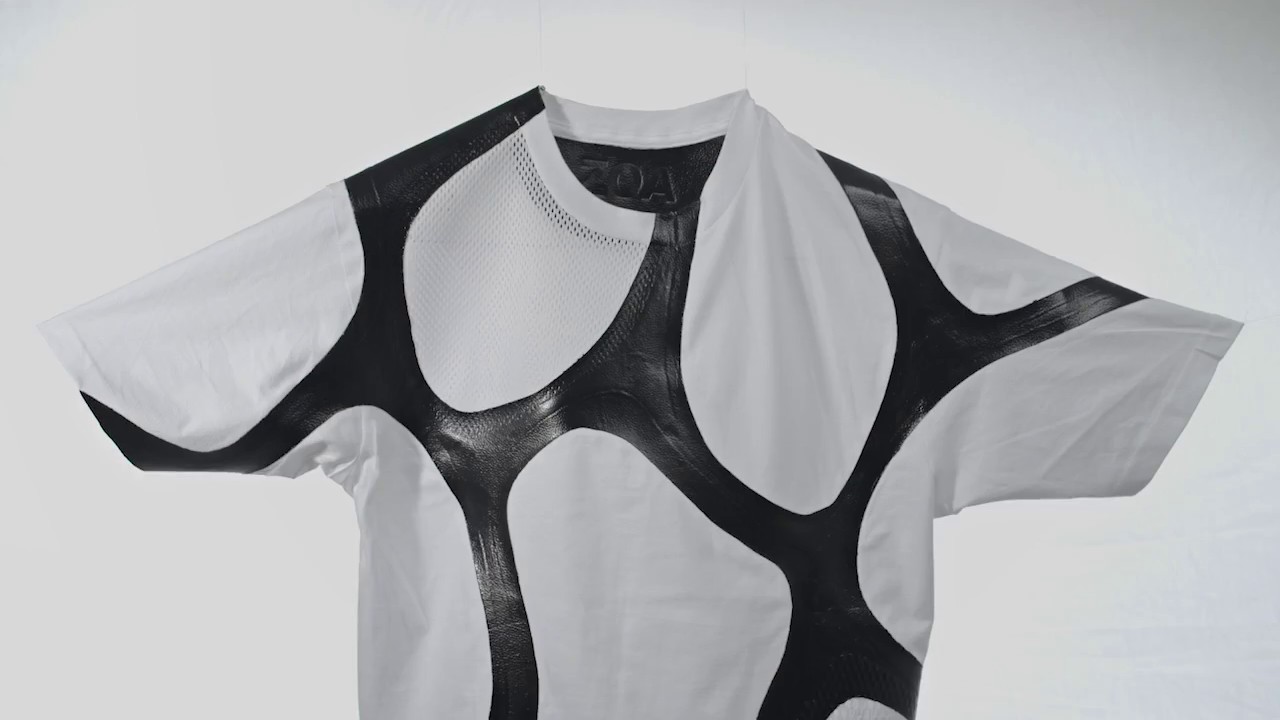
A T-shirt made by Modern Meadow using biofabricated materials / Photo credit: Modern Meadow
From the wallets and bags we carry to the watches and boots we wear, it’s evident that leather is all around us. But the cost of creating leather products extracts a heavy toll, drawing a lot of attention to the multi-billion dollar industry.
Because of this, leather product manufacturers are under pressure to create more sustainable material alternatives. A company called Modern Meadow is working on a solution that doesn’t involve harming animals. The New Jersey-based startup produces lab-grown biofabricated materials that are built from the same natural building blocks as leather.
What is biotransformation?
The process that enables the creation of this biofabricated material is called “biotransformation.” It sounds like a big word, but it simply means to “transform something that has very little value into something that has more value” by using the “immense biodiversity in the microbial world,” says Nic Lindley, scientific director of Biotransformation Innovation Platform (Biotrans), a program under Singapore’s Agency for Science, Technology, and Research (ASTAR).
“You can think of a microorganism as a map, with different road, rail, and air connections all marked on,” he explains. “You have to get from one point to the other as efficiently as possible, so you choose which road to take to get to the final product.”
Modern Meadow biofabricates its materials by editing the DNA of yeast cells to produce collagen, the main protein found in animal skin. This ensures that the process is 100 percent animal-free. The collagen is then assembled into a fibrous material that is tanned in a similar, but more environmentally friendly process as traditional leather. Biotrans is collaborating with Modern Meadow to improve the production process and bring bio-leather closer to commercial viability.
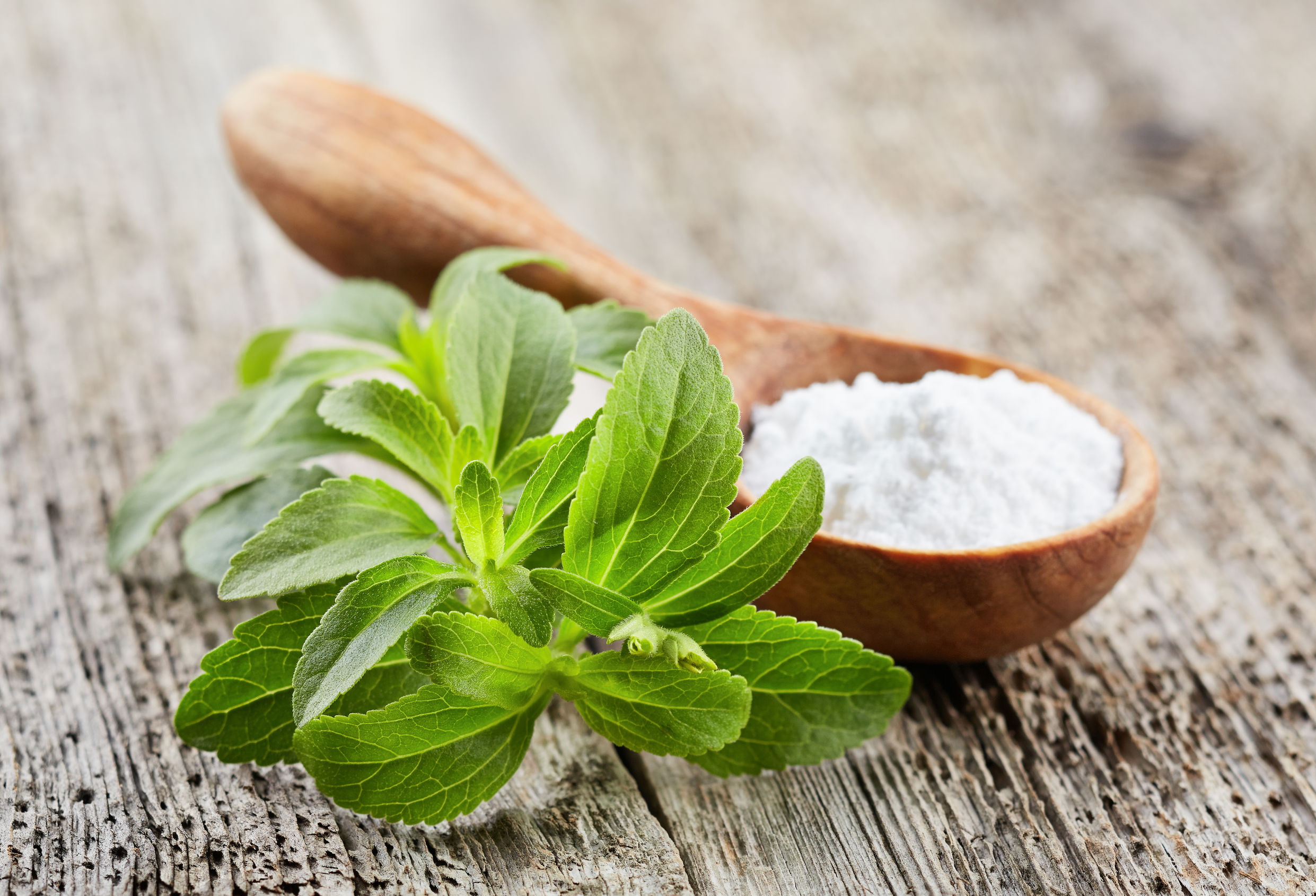
Manufacturers can use biotransformation to extract sweetening agents from plant leaves to create stevia / Photo credit: dionisvera / 123RF
However the applications of biotransformation aren’t limited to crafting leather alternatives. Food and beverage manufacturers can also use the process to synthesize sweetening agents normally extracted from plant leaves to create artificial sugar such as stevia.
A zero-calorie compound, stevia is 200 times sweeter than sugar. This means that people don’t have to use too much stevia to taste the same sweetness that they get from sugar.
Perfume and cosmetics companies can also turn to a similar process to produce sweet and violet-like scents. Companies typically use a compound called alpha isomethyl ionone to achieve this, but just producing one gram of it “requires 100 tons of raspberries and 20 hectares of agricultural area,” according to ASTAR research.
Because of this, Biotrans is working to use biotransformation technology to manufacture alternative chemical compounds in a manner that is sustainable in the face of an increasing global demand for perfume products.
“Any industry that is based on organic carbon can actually produce using microorganisms,” says Lindley. “For example, biodegradable plastics – most of them come from microorganisms. If you’re looking to produce an antibiotic, it’s the same thing.”
Innovative applications
It’s not surprising that companies are exploring biotransformation’s potential applications in organic-based sectors such as the flavors and fragrances industry. According to market research and consulting firm Hexa Research, the global market value of such companies is expected to reach US$28.56 billion by 2025.
Singapore-founded tea marketplace Teapasar, for instance, has developed a technology called ProfilePrint with the National University of Singapore’s Food Science and Technology Program and ASTAR’s Biotrans that can identify the origin, terroir, cultivar, and harvest date of tea leaves. The company uses ProfilePrint to fight tea fraud.
In 2017, a tea farmer from Nantou, Taiwan, was arrested for allegedly importing Vietnamese tea, mixing it with locally produced tea, and marketing it as expensive oolong tea. According to estimates, the farmer made over US$165,306 in illicit profits over two years.
The incident damaged Nantou’s reputation of tea certification and had a negative impact on the marketing of oolong and high-mountain teas, said officials from the county’s Department of Agriculture. This is the kind of fraud that Teapasar aims to prevent.
The company’s ProfilePrint also uses machine learning technology to create a Taste Map, which predicts the taste profiles of different teas. Customers can then have an idea of how a tea might taste like, without having to sample it.
Teapasar lets customers create their own Taste Maps as well, allowing the marketplace to recommend teas to people based on their preferences and the tea profiles in its database.
The future of biotransformation
According to Lindley, ASTAR’s efforts to expand the application and adoption of biotransformation techniques in Singapore have been noticed by foreign companies.
“We’re getting a lot of attention from California-based novel food startups who want to come over and work with us,” he says.
Photo credit: lightpoet / 123RF
Lindley adds that ASTAR is building a small-scale production facility where he hopes to bring in more local startups that can’t afford their own biotransformation equipment. Biotrans has already invested in a pilot-scale fermentation facility that will give the startups a means to test their processes and concepts, so that they can eventually raise funds for their own research facilities and factories.
“We already have a list of small companies who want to come in to use it,” he says. “We clearly see there is demand for it, so if we want to have innovative manufacturing in Singapore, this has got to be a public-private collaborative effort.”
ASTAR’s Biotransformation Innovation Platform uses microbes to address the needs of the food, flavor and fragrance, and personal care industries. It works with local and foreign startups to advance scientific discovery and technological innovation.
Companies working in related industries can contact ASTAR on its website to discuss potential collaboration opportunities.
Interested parties who are keen to learn more about biotransformation can attend ASTAR’s SME Day on April 4, 2019. Register here.
Stay updated on the go with our mobile app.
Get latest insights with smoother, more personalized experience through TIA mobile app.
Recommended reads
 Startup offers cleaner activated carbon without coal use
 This startup uses AI to automate A/B test coding for marketers
 Why construction giants are using this WhatsApp AI tool
 Making AI work in the real world, not just on paper
 Why ‘vibe PMing’ is the future of product management
 A solo founder’s fix for unreliable generative AI models
 How AI-powered tools are clearing up construction’s data debris
 A new platform digitizes Cambodia’s local pharmacies
 500 designs, 5 designers: AI’s dazzling jewelry math
 Sarvam is here, but will India’s startups use it?





Editing by Charmaine de Lazo and Eileen C. Ang
(And yes, we’re serious about ethics and transparency. More information here.)






