Jonathan Chew · · 5 min read
The biggest investment considerations for ESG and healthcare

Healthcare is a necessity.
But for investors, this idea goes beyond the physical needs of the human body. The industry is a defensive sector for investment firms and is a must-have to diversify their portfolios.
This was just one of many points raised at an investment forum hosted by enterprise advisory firm Majoris Group in conjunction with the Singapore Exchange (SGX).
“Collaborating with SGX to organize this event was a delight. Their enthusiasm and support throughout the event were evident, reflecting their commitment to welcoming foreign enterprises to Singapore with valuable insights and guidance,” says Edward Tsui, CEO of Majoris, in an interview with Tech in Asia.
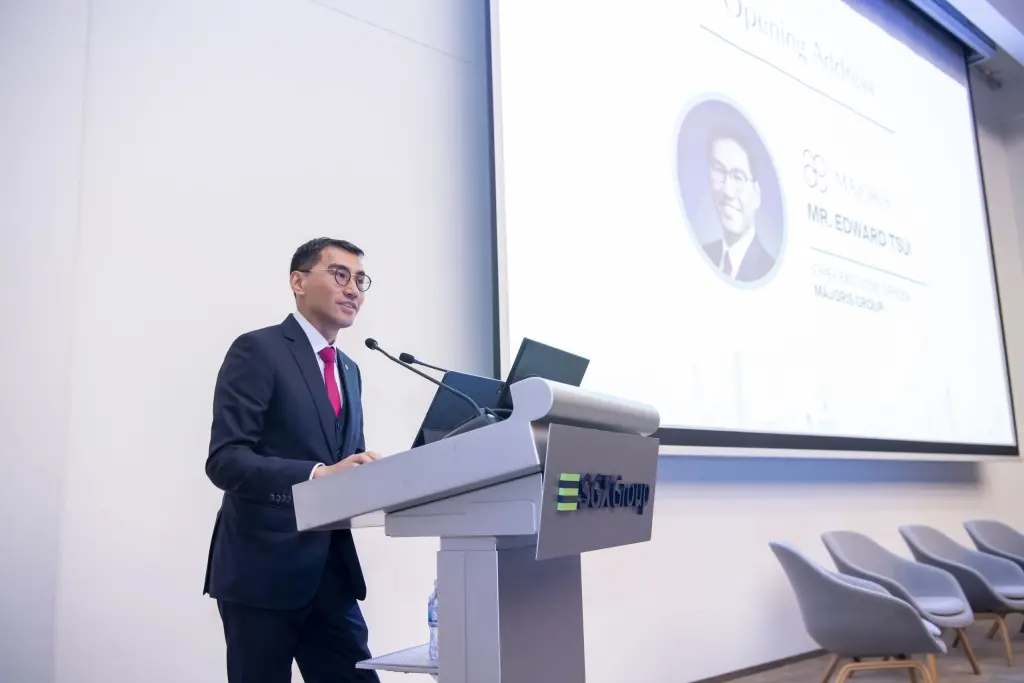
Edward Tsui, CEO of Majoris / Photo credit: Majoris
Besides talking about key investment considerations, the forum was also a chance for some of Majoris’ clients to demonstrate their innovations and achievements so far. Put together, these activities helped shed light on how investors can approach the next wave of two major segments: healthcare as well as environmental, social, and governance (ESG) investing.
Coming together from worlds apart
Why focus on healthcare and ESG? That’s because these topics “align with the growing concerns of Singaporean enterprises and the robust support from the Singapore government,” Tsui says.
Speaking at the forum, Doreen Li, head of asset management at Majoris, highlighted a study which estimated that the damage caused by climate change would be roughly US$69 trillion by 2100.
“It reminds us that the stakes are high and the time for action is now,” she added. “Healthcare and ESG are not just ethical investments – they’re also economic imperatives.”
Some key segments at the event were the presentations by Majoris’ European clients. These healthcare and ESG businesses have created a huge impact and are looking to rise to the next level by showcasing their solutions.
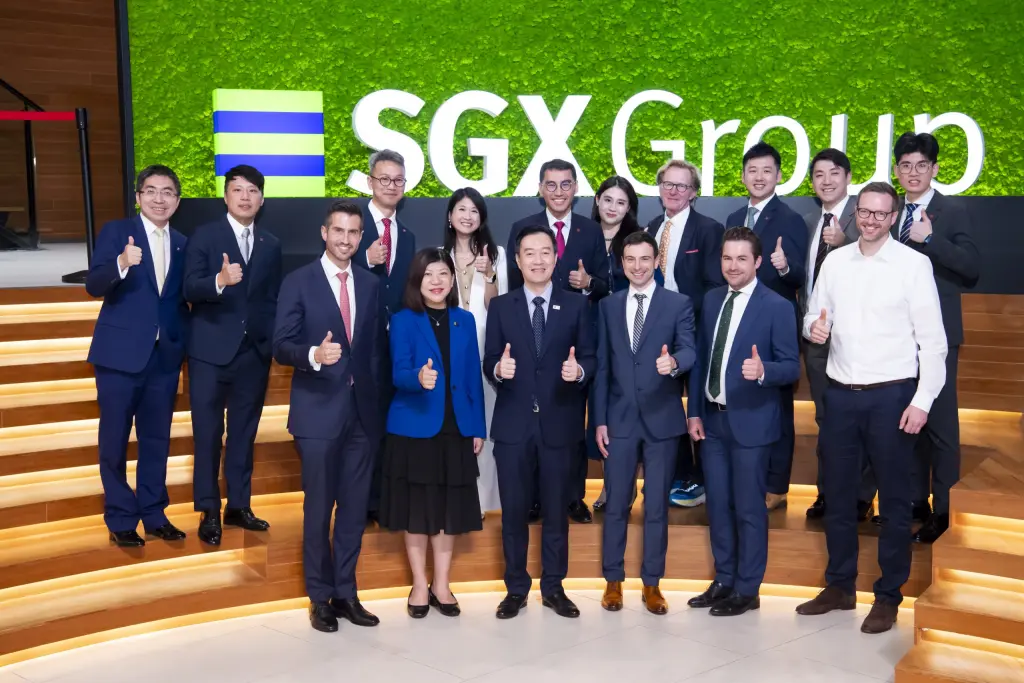
A look at the firms championing the good causes of healthcare and ESG / Photo credit: Majoris
The four companies were: Caresyntax, which developed an AI-powered platform to help surgeons in the operating room; Earlab GmbH, which built a solution to help doctors diagnose hearing loss more efficiently; Hydrogenius, a logistics company that specializes in transporting hydrogen; and Sol Energy Group, which develops solar panel parks.
The forum “not only strengthens ties between Hong Kong and Singapore but also serves as a bridge connecting Europe and Asia, enhancing mutual understanding between Singaporean and European companies,” Tsui tells Tech in Asia.
Bringing together business and sustainable impact
At the event, Majoris’ Li sat down with several panellists to discuss the future of healthcare and ESG in the investment landscape.
Apart from Li, the panel included Quak Fi Ling, partner at Singapore law firm WongPartnership; Darren Ng, audit and assurance partner at consulting firm Deloitte; Alice Gwee, a capital markets team lead at SGX; and Jeffrey Lim, chief marketing officer at asset management firm Astrid First Wealth Advisory.
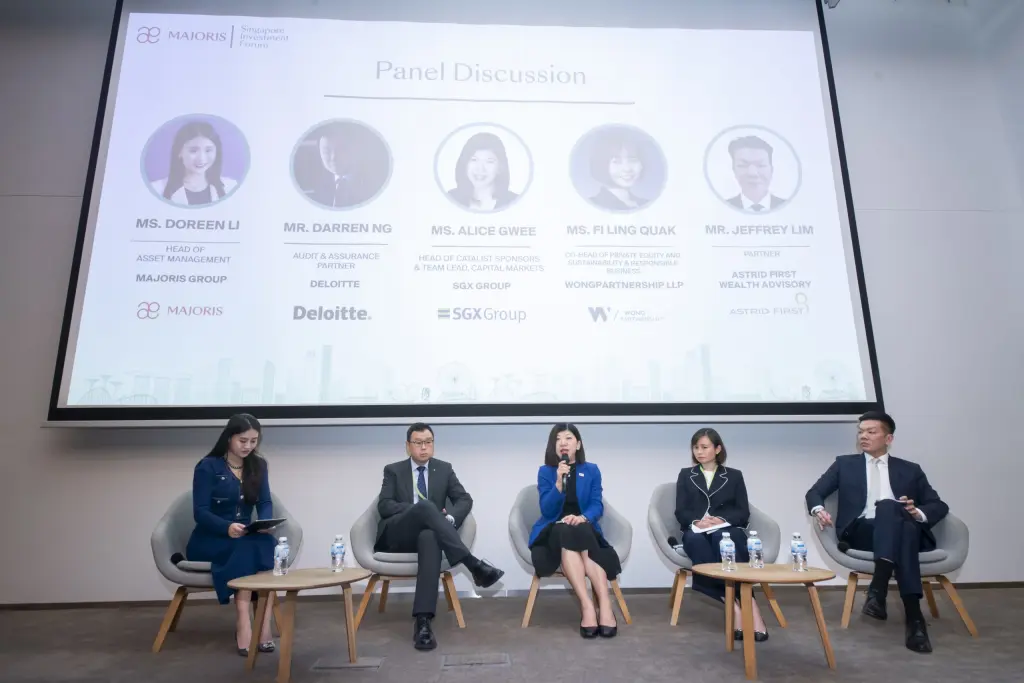
Hailing from different backgrounds, these panelists offered a comprehensive discussion on healthcare and ESG / Photo credit: Majoris
Gwee started off by sharing how many investors are now looking into “financial returns with a positive impact.”
That’s why tools like SGX’s exchage-traded funds products, which help investors diversify their portfolio while maintaining good risk management, have become crucial.
Having these tools will be critical as healthcare investment opportunities are trending up, as Ng pointed out. In particular, he noted that according to Deloitte, there have been more IPOs from life sciences and healthcare companies in Asia since 2021.
“There’s been an increased focus especially due to the advancement of technology such as AI,” Ng added. “Post-pandemic, more consumers are also looking at healthcare and life sciences not just for big-ticket items like surgery but also for everyday things like wearable smart watches and health supplements.”
Indeed, panelist Quak shared how startups such as Doctor Anywhere and Halodoc, which offer alternative healthcare options beyond clinics and hospitals, have been on the rise.
“We’re also seeing a lot of consolidation of healthcare firms and building of integrated platforms,” she added.
Singapore would be an extremely good base for healthcare investors and businesses, as the government is looking to spend a total of more than US$1 billion in the next three to four years to support healthcare initiatives.
“I would say that the outlook is very positive,” Quak said.
What’s the point of ESG?
ESG considerations won’t just be something that’s a good-to-have, but they will become a core part of financial prudence, the panel concluded.
According to Astrid First Wealth Advisory’s Lim, introducing ESG factors into due diligence could even result in higher risk-adjusted returns for investors in the long run, as it makes risk assessment more comprehensive.
“This approach can help uncover ESG-related risks and opportunities that traditional financial analysis might miss,” he explained.
As such, private equity firms should actively engage with portfolio companies on ESG issues, such as by setting objectives, monitoring the progress of ESG initiatives, and guiding businesses to adopt sustainable business activities and strategies.
Healthcare and ESG are not just ethical investments – they’re also economic imperatives
In this area, Quak noted that companies often have a wide range of investors, each coming in with their own set of ESG requirements.
Her advice?
“There needs to be some level of alignment for your own sake,” she said. “You need to have conversations on putting in a governance structure to make sure that someone stays accountable for your ESG targets.”
This could take the form of appointing a chief sustainability officer or pegging ESG targets to compensation packages.
“Additionally, if you believe that ESG drives value, then eventually when you exit, you can get a premium by selling yourself as a lot more sustainable than your competitors,” she added.
A major step forward
Looking ahead, Majoris’ Tsui notes that the company is looking to work closely with SGX beyond events like this investment forum.
“We’ve got a lot of focus on sustainable values and leveraging diversity, and with SGX as the leading and most international multiasset exchange, we’re looking forward to bringing companies to list on SGX, especially those that align with its ESG focus,” he shares.
Apart from that, Majoris is also planning to further establish its presence in Singapore by working with local, licensed financial organizations such as cryptocurrency service providers. This would help expand its financial services offerings, including digital asset management and trading platforms, in line with Singapore’s progressive regulatory framework for digital assets, according to Tsui.
“So far, our debut in Singapore seems to be a well-received step towards expanding our influence and operations in Asia, particularly in the areas of ESG and digital asset management, and we’re very happy to see that,” he said.
Founded in 2012, Majoris Group provides a suite of comprehensive financial advisory services to clients from all over the world. To find out more about what it’s doing to stimulate investments in Singapore, click here.
Stay updated on the go with our mobile app.
Get latest insights with smoother, more personalized experience through TIA mobile app.
Recommended reads
 Indonesian AI startup goes global
 Forrest Li on scaling Sea, building smarter bots, and founder grit
 An AI assistant that joins sales calls and scores team skills
 SGX’s CEO says it doesn’t need a unicorn to win
 SMEs want AI too, but not the kind Big Tech is selling
 Oatside’s alt-milk rise hits a profitable gear
 Alibaba’s financial health in 12 charts
 Asia’s telcos bundle AI into mobile plans. Will it pay off?
 M-Daq chases bigger clients as revenue falls, losses grow
 VC tracker: Accel raises US$3.5b, including US$550m for India





Editing by Winston Zhang, Stefanie Yeo, and Jaclyn Tiu
(And yes, we’re serious about ethics and transparency. More information here.)