Big investing firms are driving right by new energy vehicle makers in China, saying they have a lot of proving to do before their shares become attractive.
As a whole, EV makers are way overpriced, have delivered losses to shareholders in a year the Shanghai Composite Index is up 21.5%, and face a push by Beijing for localities to stimulate car sales that will mean tougher competition from combustion-engine rivals.
Meanwhile, Beijing has cut back subsidies by 60% that boosted sales of environmentally friendly vehicles, spurred tremendous innovation, and made China the world’s leading EV market.
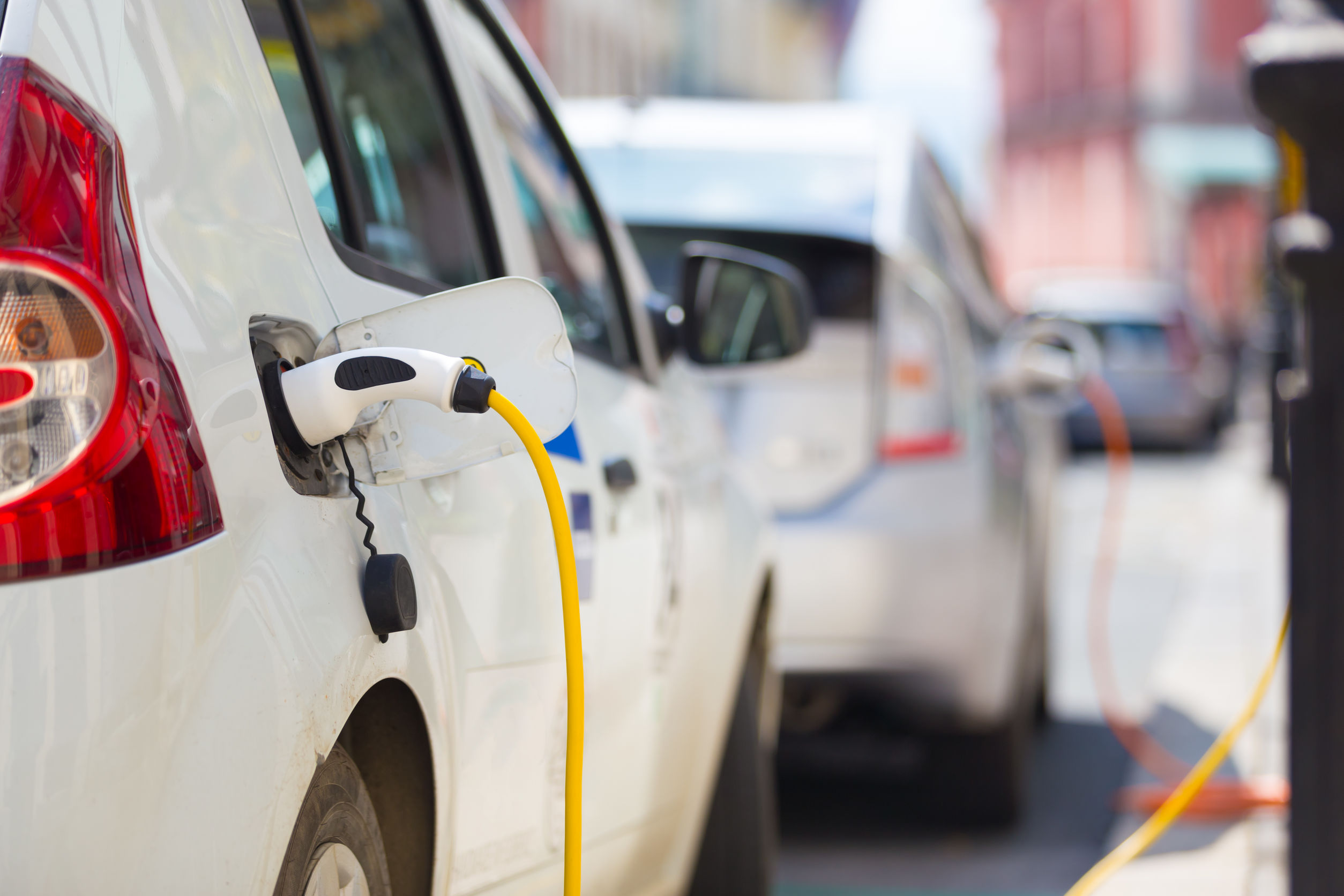
Photo credit: Kasto / 123RF
Share prices of top players such as BYD, BAIC Blue Park New Energy Technology, and SAIC Motor have tumbled this year – but not far enough for Xufunds Investment Management and Hengsheng Asset Management, which says it will continue to avoid the sector.
“It’s not a good entry point at this stage because the cut in subsidies has had a huge impact on the industry,” said Wang Chen, a partner at Xufunds Investment in Shanghai. “Sales will hardly pick up in the foreseeable future, unless there’s a big breakthrough in the technology, such as charging and the use of batteries, which can once again fuel sales.”
After years of explosive growth in the EV sector, the government decided to slash the subsidies for new-energy car purchases by two thirds on average starting this year.
Subsidies on NEVs with a driving range of 250 to 300 kilometers were lowered to 18,000 yuan (US$2,614) from 34,000 yuan (US$4,794). For cars with a range of between 300 and 400 kilometers, the subsidies were cut by a sharper 60% to 18,000 yuan, from 45,000 yuan (US$6,345) earlier.
The impact was painful and immediate: Last year saw a 62% jump in annual EV sales on top of a 51% surge the year before. But EV sales in July and August actually fell 4.7% and 16%, respectively, from a year earlier.
It’s not just EV makers that are suffering. China’s overall car market – the largest in the world – recorded a 14th straight month of declines in sales in August amid a slowing economy weighed down by the escalating China-US trade conflict.
BYD, the Chinese EV maker that Warren Buffett’s Berkshire Hathaway holds a 25% stake in, reported a 23% drop in its new-energy car sales last month. Shares of China’s biggest manufacturer of electric cars have dropped 0.4% in Shenzhen this year and 18% in Hong Kong. BAIC Blue Park, the electric-car manufacturing unit of BAIC Motor, has slid 7.5% and 5.7% for SAIC this year.
BYD derives 41% of its sales from new-energy cars and sales of the type of cars make up almost all of BAIC Blue Park’s revenues. The fraction from SAIC, which is more focused on conventional cars with combustion engines, is still minuscule, staying at less than 3%.
“It’s an industry that still heavily relies on subsidies and is hard to compete with traditional cars now,” said Dai Ming, a fund manager at Hengsheng Asset Management in Shanghai. “There was lots of front-loading in sales over the past few years because of the government subsidies. Now, with the subsidies gone and the slowdown in the economy, the industry has quickly run into trouble.”
Dai said he would shun stocks of any EV manufacturers now and likes related component makers that have strong pricing power in the industry chain, such as Contemporary Amperex Technology.





Stay updated on the go with our mobile app.
Get latest insights with smoother, more personalized experience through TIA mobile app.











📅 Upcoming Events
22 October 2026
Payoneer x CSPN Summit 2026