 Samir Makwana · · 4 min read
$400 smartphones are major new battleground in India, and that’s bad news for Samsung
Last week, Samsung’s Galaxy Note 4 and Apple’s new iPhone 6 models arrived in India. Everyone aspires to buy either of these premium phones, but not many can afford one, and hence, look forward to low-cost alternatives.
The majority of Indian consumers are more interested in value-for-money, which is why several Indian and Chinese phone makers are challenging the likes of Nokia, Samsung, HTC, and LG in the sub-US$400 (INR25,000) category in India. They’re promising premium-feel phones for half the usual price tag.
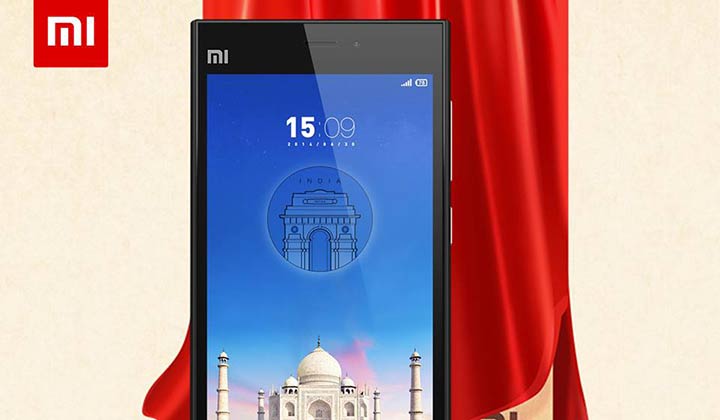
Smartphone makers such as Micromax, Xolo, and Karbonn have rolled out several models costing under US$400 since last year. In July, China’s Xiaomi entered India with its Mi3 phone. That shook up the mid-range segment and made India’s phone makers re-evaluate their models, which suddenly looked under-powered compared to the Xiaomi Mi3.
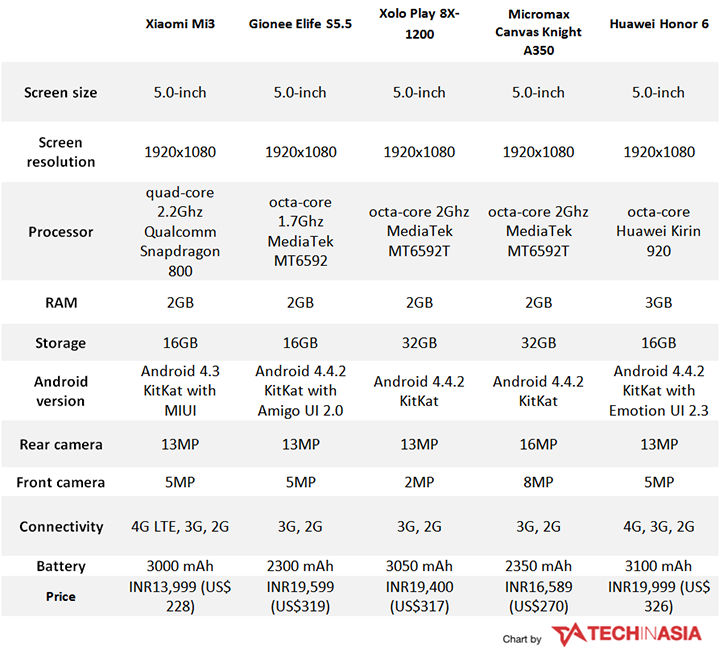
Here are five smartphones that pack the value-for-money proposition for less than US$400 (INR25,000) in India:
Big threat to Samsung, HTC, Sony
Usually, the technology and hardware used in flagship phones trickles down slowly to slightly cheaper, mid-range models. However, that is not the case anymore. Now, even mid-range smartphones have flagship features and specs.
Sony’s Xperia, Samsung’s Galaxy, LG’s Optimus, and HTC’s Desire – all four major lines spew a handful of new mid-range models each year. These brands used to rule the entry-level to mid-range segment, but they’re now being challenged strongly by newer brands from China and India that are producing impressive hardware at a more manageable price. There are still US$100 or US$200 phones for people on a very tight budget, but US$400 is the new “premium” price for many consumers thanks to these disruptive phone-makers.
Of course, there are some trade-offs with the cheaper mid-range phones, but the specs are mostly on a par. These US$400 flagships come with quad-core or octa-core processors, full HD screens, 2GB RAM, and a large batteries. To most consumers, what the likes of Xiaomi and Micromax offer is indistinguishable from the Samsung’s or HTC’s that cost over double the price.
These newer phone-makers even have some advantages. The Indian handset companies are quick to push Android updates because their devices feature minimal customizations. Xiaomi gives its customers updates every single week. Meanwhile, the major brands take months or even a whole year to roll out Android updates for their existing devices.
The Xiaomi Mi3 is arguably the best smartphone in India for under US$400, despite its very limited availability in the country due to Xiaomi’s online flash sales. It will soon be replaced by the Mi4, which the startup rolled out in China in July. (You can read our review of the Xiaomi Mi4 here.) The Xiaomi Mi4 should reach India by the end of the year.
A billion converts
India had 924 million wireless subscribers at the end of August, according to the Telecom Regulatory Authority of India. Along with an addressable market of over 800 million adults, there’s huge potential to convert feature phone users into low-cost smartphone customers. Data from IDC indicates that the Indian smartphone market grew by 13 percent year-on-year in the second quarter of this year, shrinking the demand for basic feature phones. Indians are slowly graduating from feature phones to smartphones – mostly low-cost smartphones.
That’s why the main battleground will be for very cheap and mid-range phones, costing about US$100 to US$400. Those younger phone makers are challenging Samsung and other major brands across that wide price band so that even phones that cost just over US$100 still come with quad-core chips and large, phablet-sized screens.





Stay updated on the go with our mobile app.
Get latest insights with smoother, more personalized experience through TIA mobile app.












📅 Upcoming Events
22 October 2026
Payoneer x CSPN Summit 2026