- Premium Content It takes our newsroom weeks - if not months - to investigate and produce stories for our premium content. You can’t find them anywhere else.
 Jofie Yordan · · 6 min read
Temu’s price game not enough for Southeast Asia
In March 2023, Tech in Asia highlighted the growing momentum of Temu, which was then emerging as one of Shein’s most noteworthy rivals. However, few could have predicted that the Pinduoduo sister platform would expand to 78 countries within just two years of its official launch in 2022.
In its latest report dissecting Temu’s two-year growth, venture builder Momentum Works estimated the platform’s monthly gross merchandise volume (GMV) at around US$4 billion and noted that it is approaching EBITDA breakeven – an impressive milestone for a company just two years in.
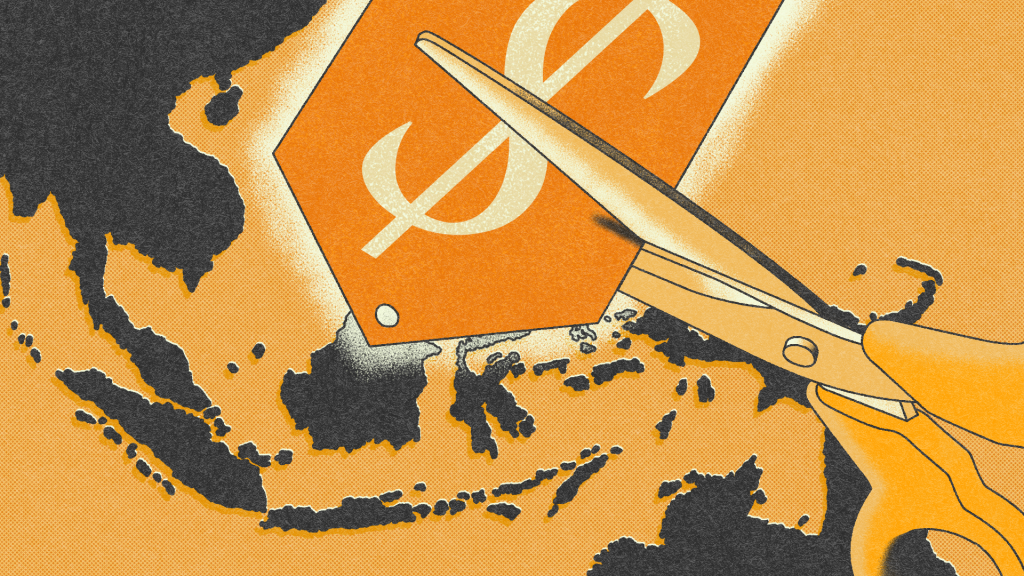
Image credit: Timmy Loen
However, despite its aggressive global expansion, Temu only operates in Thailand, the Philippines, Malaysia, and Brunei Darussalam in Southeast Asia, with entry to Indonesia appearing improbable in the near term.
It’s no surprise that the firm has taken a cautious approach in the region, where its value proposition of offering cheap goods doesn’t stand out as much as in the US and Europe. Several other factors could further hinder its growth in Southeast Asia, including price wars and varying regulatory environments in each country.
Tech in Asia has reached out to Temu for comments on its expansion in Southeast Asia. However, there has been no response to date.
Not cheap enough?
Temu began its Southeast Asia journey by entering the Philippines in August 2023. Since then, its regional presence remains relatively subdued – its GMV in Southeast Asia only amounted to under US$0.1 billion last year, according to a Momentum Works report.
This stands in stark contrast to the US, where Temu has emerged as a major disruptor with its aggressive discounting, posing a threat serious enough to prompt Amazon to plan a similar venture.
In the US and Europe, Temu can offer goods at lower prices than incumbents because they are sourced directly from China. The cross-border ecommerce platform employs a full consignment model, handling everything from warehousing to customer service, which allows it to set prices on behalf of Chinese manufacturers.
However, Temu’s offerings don’t “have the same punch in Southeast Asia,” says Jeffrey Towson, founder of digital agency TechMoat Consulting. “Plus, local ecommerce platforms like Lazada and Shopee are already integrated with Chinese manufacturers.”
See also: Southeast Asia’s ecommerce players go low to get ahead in price war
For example, the prices of certain products sold by Temu in Thailand are still not lower than those from its competitors, according to recent data from market insights firm Cube Asia.
To stay competitive in Southeast Asia, Temu will need to embark on “a costly battle to gain a foothold in the region,” Ivy Yang, founder of PR consultancy Wavelet Strategy and former manager of international corporate affairs for Alibaba, tells Tech in Asia.
Other hurdles
Prepping for a long war
Stay ahead in Asia’s tech landscape
This is premium content. Subscribe to read the full story.
Temu’s SEA ecommerce strategy: testing the waters or burning money?
We know this is not ideal. ⌛ Sign up in 20 seconds. Cancel anytime.
Our subscriber community includes professionals from these companies:





Stay updated on the go with our mobile app.
Get latest insights with smoother, more personalized experience through TIA mobile app.